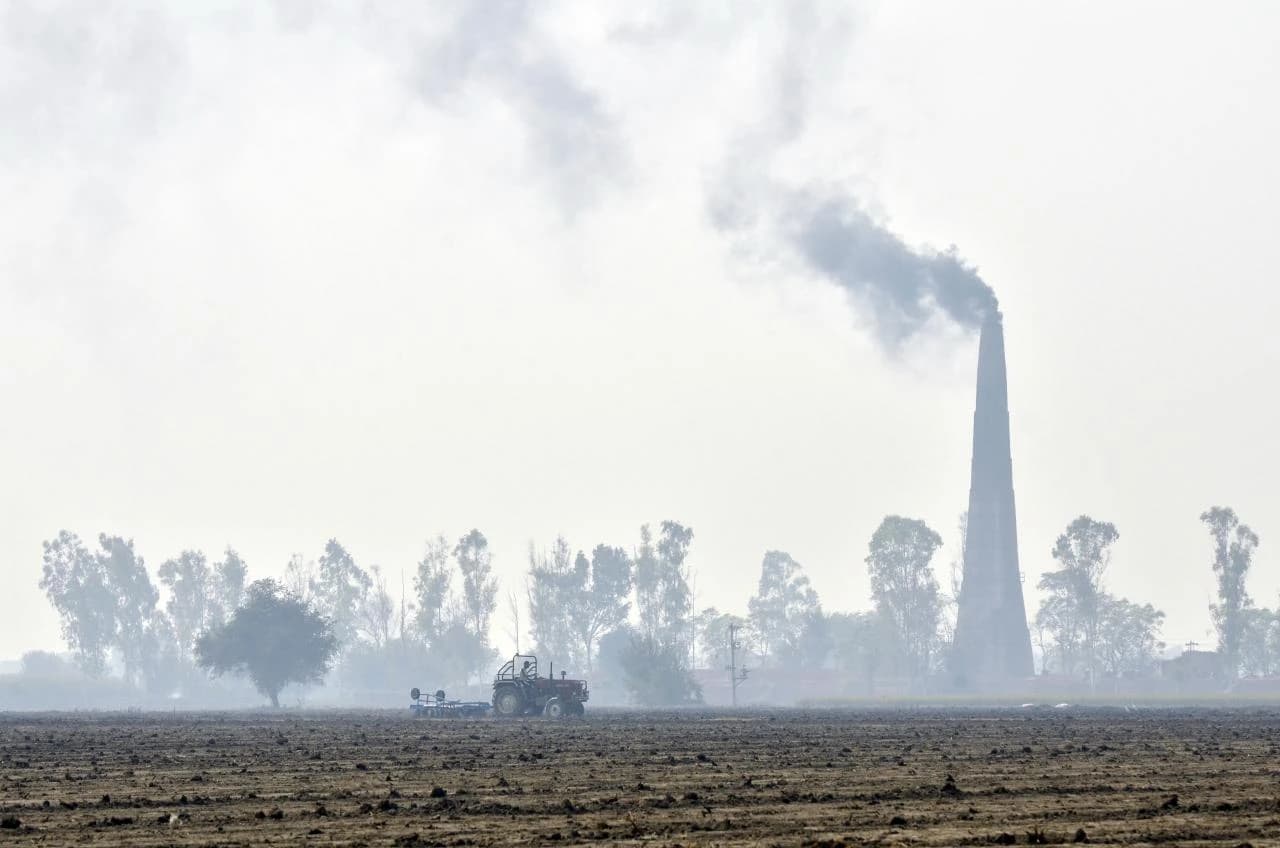
The first wheat sowing of Turkey’s 2026-27 season in Aydın’s Söke Plain underscores the crop’s economic importance in one of the country’s key grain belts, even as global wheat prices remain under pressure and producers face a tighter margin environment.
Turkey's Söke Plain starts 2026-27 wheat sowing
Söke sits at the center of Aydın’s wheat economy, accounting for about 52% of the province’s planted wheat area, according to 2026 Farmer Registration System data. The district has 2,478 producers cultivating 271,536 decares, out of Aydın’s total 524,937 decares and 10,655 wheat growers. That makes the plain not just a symbolic first mover for the season, but a meaningful indicator of how Turkey’s broader wheat acreage and farmer income outlook may evolve.
The timing matters because wheat is a staple crop in Turkey’s food chain and a major input into flour, bread and livestock feed. When planting begins in a region that leads provincial output, it gives traders, millers and policymakers an early read on whether growers are expanding, maintaining or cutting back acreage. This year, that question is especially relevant as international wheat markets have softened. Chicago wheat futures have eased from earlier highs, weighed by a stronger dollar and expectations of improved supply from Ukraine, creating a lower-price backdrop for producers.
For farmers in Söke, that price environment raises the stakes for yields and cost discipline. Seed, fertilizer, fuel and irrigation expenses remain decisive in determining whether wheat planting is profitable. A stronger planted area in a leading district can support local supply security, but it does not automatically translate into better margins if global benchmarks stay weak and domestic procurement prices fail to keep pace with input costs.
For investors, the story sits at the intersection of agricultural supply, food inflation and commodity pricing. A larger or stable wheat planting season in western Turkey would be supportive for downstream flour mills and food manufacturers by reducing the risk of supply shortages, but it could also add to pressure on farmgate prices if production is robust and import channels remain open. In grain markets, the immediate read-through is modestly bearish for wheat if the season progresses smoothly, though weather risk remains the biggest variable between planting and harvest.
The broader narrative is one of cautious normalization: Turkey’s grain producers are getting back into the field, but they are doing so against a global backdrop of ample supply and thinner pricing power. If Söke’s early planting is repeated across other major wheat districts, it would point to a steady 2026-27 harvest pipeline. If not, the market may need to reassess local acreage, import demand and the resilience of farmer economics.
| Entity | Gains | Losses |
|---|---|---|
| Söke wheat farmers | ▲Early-season momentum | ▼Exposure to weak prices |
| Turkish millers | ▲Supply visibility | ▼Higher grain costs if yields disappoint |
| Wheat consumers | ▲Stable bread supply | ▼Little relief if input costs rise |
| Global wheat sellers | ▲Export competition | ▼Softer benchmark prices |