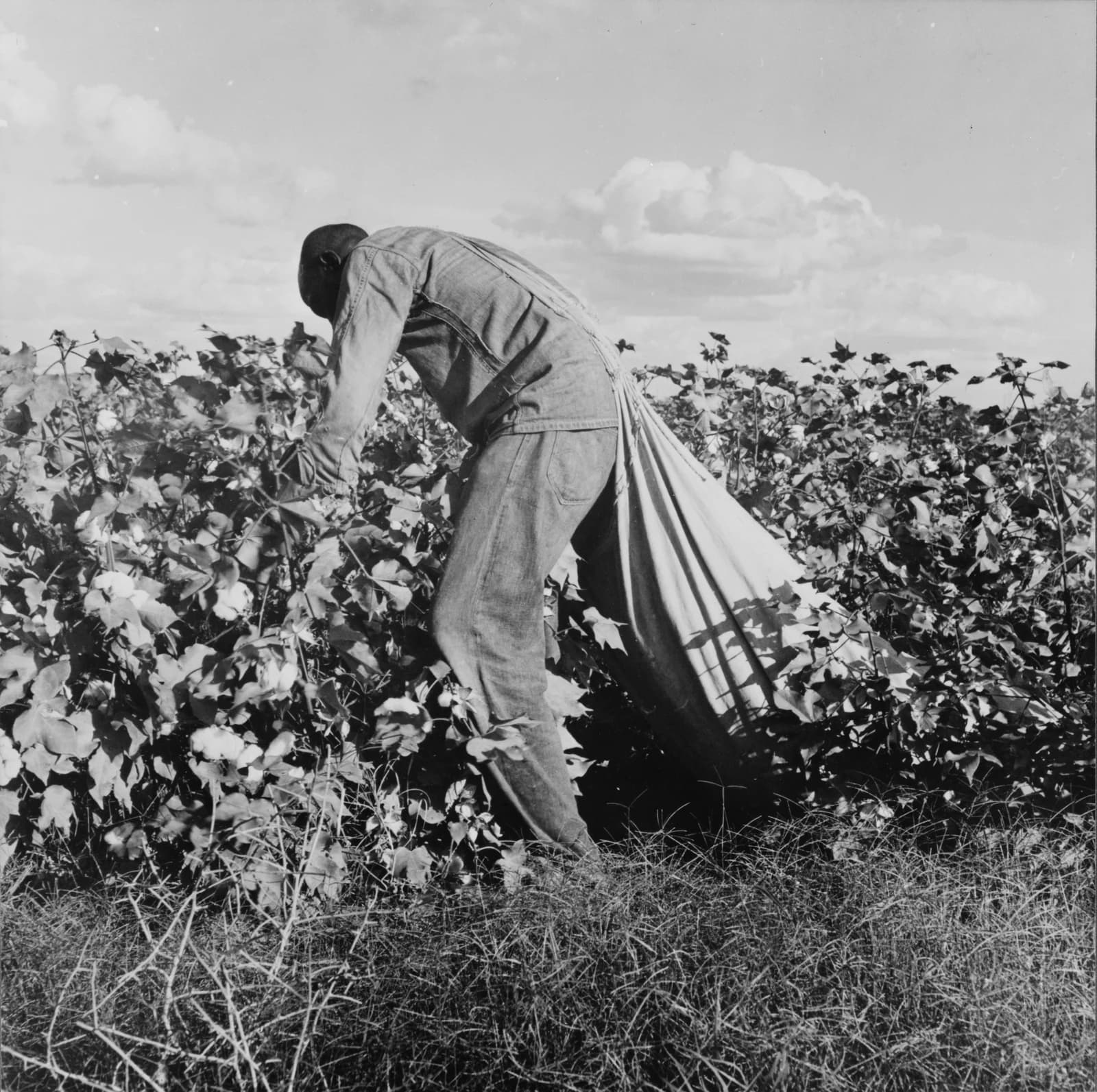
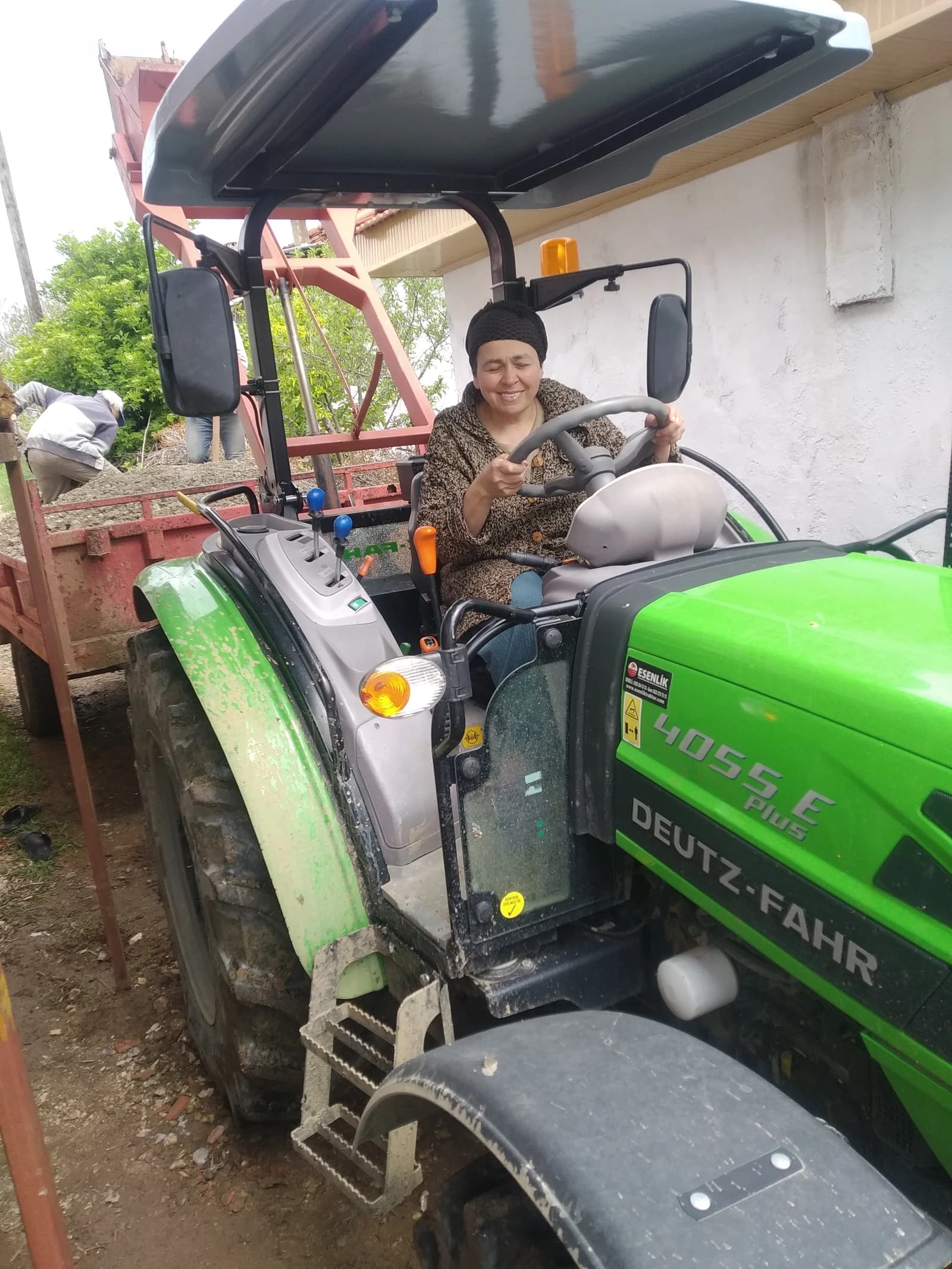
Cotton growers in western Türkiye are abandoning acreage after a year of high rainfall failed to offset sharply higher input costs, underscoring how climate volatility and weak farm-gate prices are eroding the economics of one of the country’s most important crops.
Türkiye cotton acreage falls as costs rise
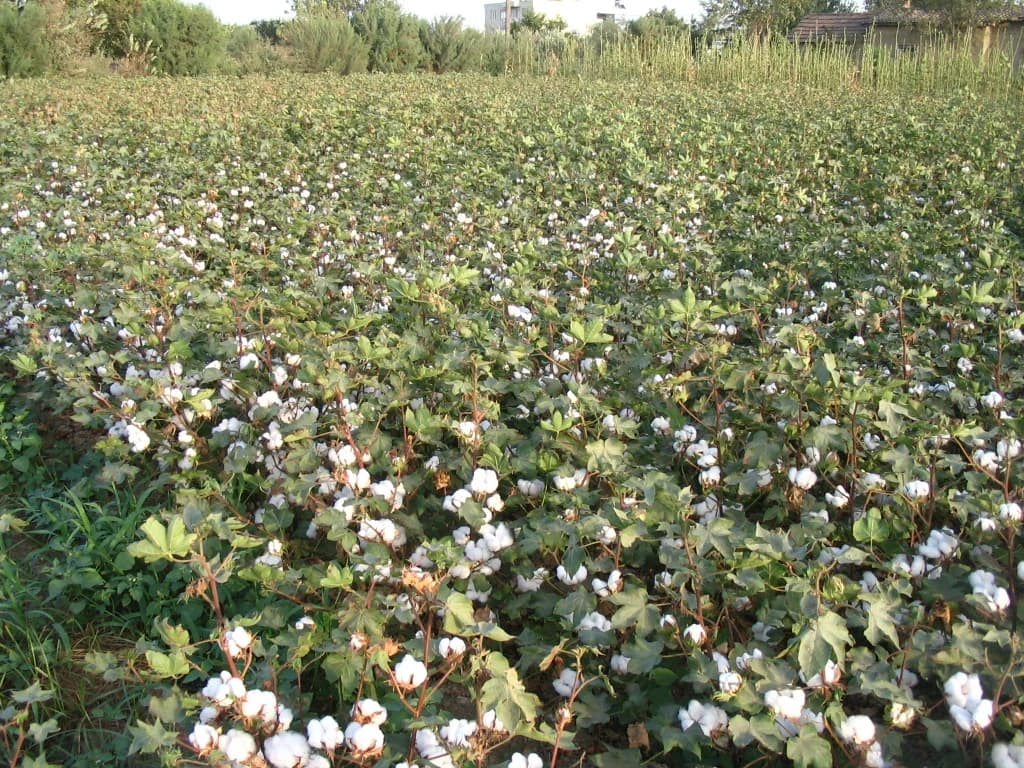
In Soke, one of the Aegean region’s key cotton belts, planted area has shrunk by about 60% this year as farmers switch to wheat and sunflower, crops that need less irrigation. Across Türkiye, official estimates point to a 38% drop in unginned cotton output this year to 1.2 million tons, a decline that matters not only for rural incomes but also for a country that ranks among the world’s major cotton producers and imports much of its textile industry’s raw material needs.
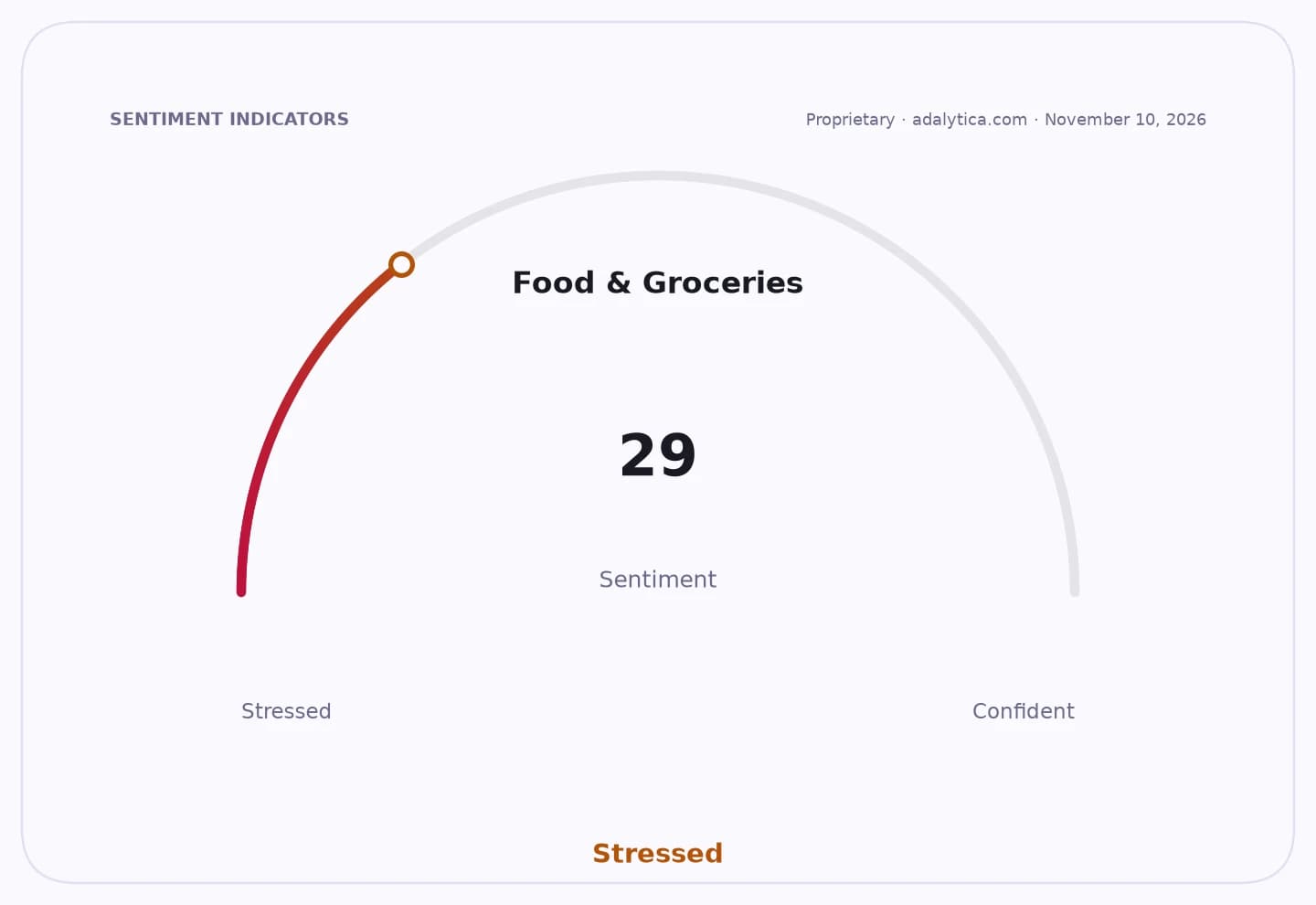
Sentiment Indicators
For farmers, the calculation has become brutally simple: the crop no longer covers its own costs. In Soke, cotton is selling for around 41-42 lira a kilogram, versus production costs of roughly 47 lira, according to the local chamber of agriculture. That leaves growers taking a loss before factoring in financing costs, harvest delays and quality damage from rain during the picking season. Fuel, fertilizers and pesticide bills have risen, while irrigation remains expensive in a country where agriculture consumes 79% of water resources and inefficient infrastructure is estimated to waste about half of that use.
The retreat from cotton is a warning for policymakers because Türkiye’s agriculture is increasingly being priced by water, not just by weather. Even though the country recorded its wettest year in 66 years and reservoir fill levels improved, the distribution of rainfall was uneven and some districts in the Aegean still faced localized drought damage, hail and harvest disruption. That means a wetter year has not restored farmer confidence in a crop that requires heavy upfront spending on water, energy and agrochemicals before any revenue is realized.
Investors should read the shift as part of a broader stress test for Türkiye’s farm economy and for industries linked to it, from textile suppliers to lenders financing drip irrigation and climate adaptation. Banks such as Is Bank and Seker Bank are trying to fund more efficient irrigation systems, but adoption is constrained by weak collateral, thin margins and payback periods that depend on better prices and reliable harvests. The government plans to raise irrigation investment spending, yet officials and farmers alike acknowledge that public support still trails the speed of cost inflation.
The immediate question is whether next season’s planting decisions will stabilize if cotton prices recover and financing improves. If they do not, Türkiye’s cotton acreage could keep shifting toward less water-intensive crops, tightening domestic fiber supply and pushing more adjustment costs onto an agricultural sector already under pressure from climate change.
| Entity | Gains | Losses |
|---|---|---|
| Wheat and sunflower growers | ▲Lower water costs | ▼Less cotton acreage |
| Cotton importers/textile mills | ▲Potentially lower raw material pressure | ▼Tighter domestic supply |
| Banks financing irrigation | ▲New lending demand | ▼Weak borrower capacity |
| Cotton farmers in Soke | ▲None | ▼Negative margins |