Cotton supply has still not picked up even after the season began, a sign that India’s textile chain may be entering another period of stubborn raw-material tightness that can keep spinning mill margins under pressure and delay any relief in yarn costs.
India Cotton Supply Tightens After Season Start
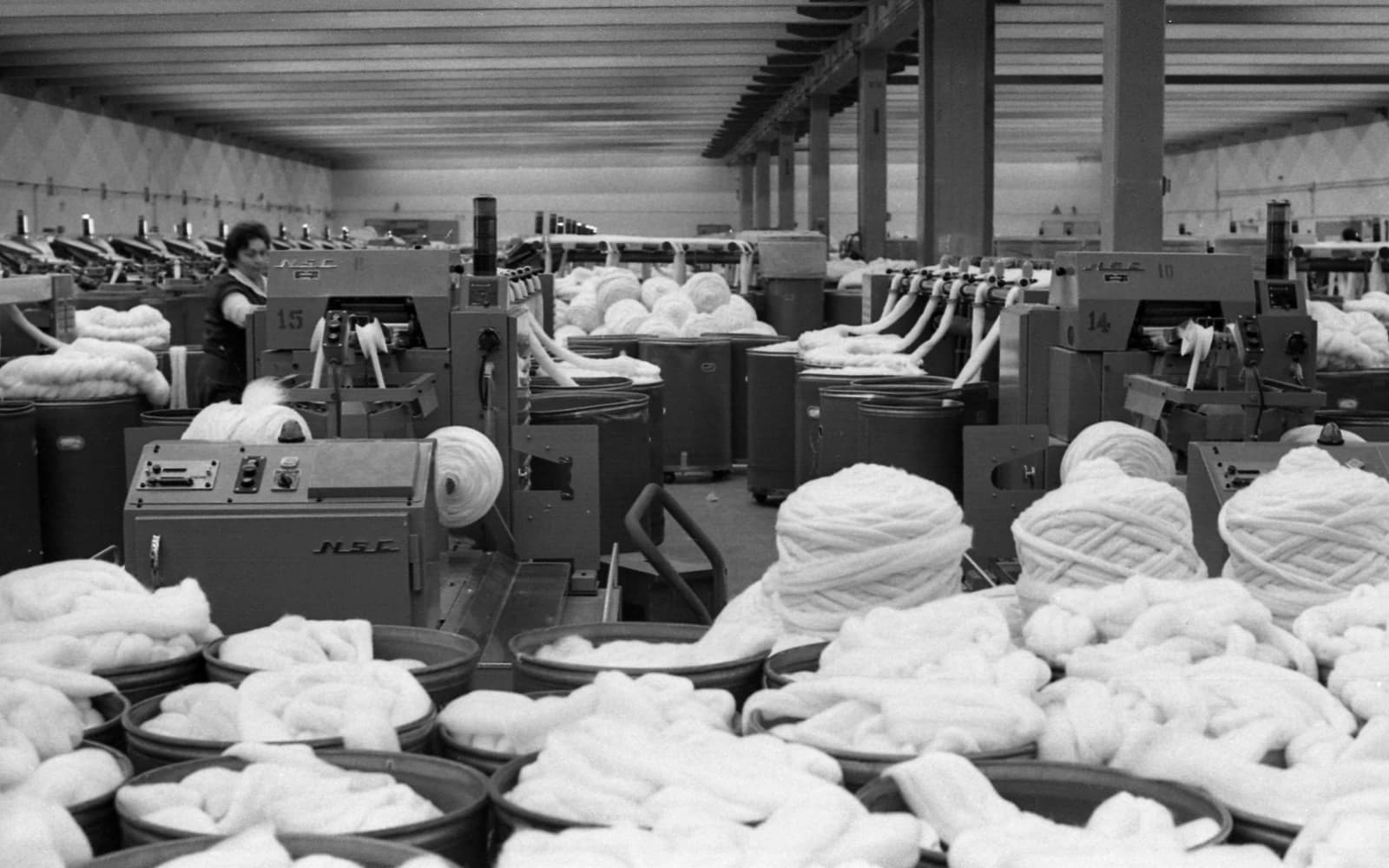
In Tirupur, one of the country’s key textile hubs, mills say daily arrivals of raw cotton are running at just 80,000 bales, far below the roughly 200,000 bales they would normally expect at this point in the season. The squeeze matters because cotton is the main input for yarn and fabric makers, and slower-than-usual deliveries can ripple through the industry by keeping purchase prices elevated and limiting production flexibility.
Sentiment Indicators
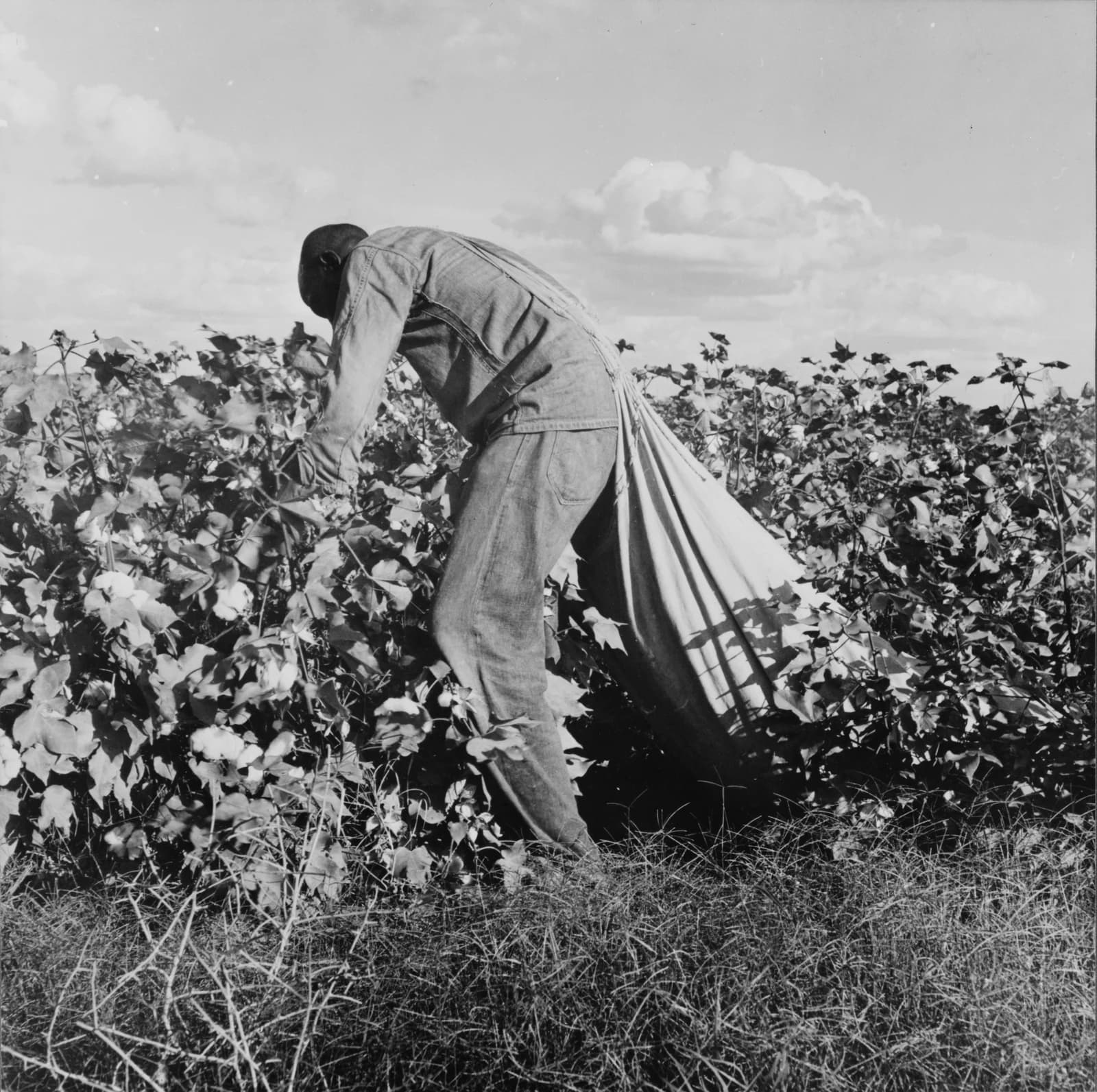
The latest October supply figures show why mills are still uneasy. About 15.59 lakh bales came to market in the first month of the season, higher than the 13.85 lakh bales seen in 2025 and 14.53 lakh in 2024, but that increase was flattered by old-stock cotton being sold into the market. The real test is November, and arrivals have not accelerated the way they usually do.
Millers say the immediate reason is simple: prices have not softened enough to trigger heavy selling by farmers. With India’s cotton import duty exemption extended through Dec. 31, domestic prices may struggle to rise much further, and the industry expects farmers to start releasing more bales after Diwali. That could ease the market later in the year, but for now the supply picture remains tight.
For investors, the story is less about one bad month and more about what persistent shortage does to the wider textile cycle. Spinning mills, garment exporters and downstream retailers all face pressure when raw-material availability is uneven. If arrivals stay weak, yarn prices can remain firm, helping cotton growers but squeezing processors that cannot pass costs on quickly.
The backdrop is also global. Climate stress is undermining cotton output in several producing regions, including Turkey, parts of India and Afghanistan, reinforcing the sense that supply chains are becoming more vulnerable to weather shocks. That gives the market less cushion than in past years, even as demand patterns remain fragile.
For long-term investors, the key question is whether this becomes a short-lived post-holiday delay or another sign that cotton supply is structurally struggling to keep up. If farmers do bring more bales to market after Diwali, mills may finally get some relief. If they do not, the textile sector could be headed for a longer stretch of input-cost pressure, making quality and pricing power even more important for companies with stronger balance sheets and better export footing.
| Entity | Gains | Losses |
|---|---|---|
| Cotton farmers | ▲Firmer prices | ▼Slower cash conversion |
| Spinning mills | ▲Possible later supply relief | ▼Tight raw-material availability |
| Textile exporters | ▲Stronger yarn pricing power | ▼Margin pressure from costly inputs |
| Consumers | ▲Potential future normalization | ▼Higher fabric and apparel costs |