Peru’s textile business hub in Gamarra is under mounting strain as higher cotton costs and weaker sales compress margins, forcing some sellers to cut prices even as the government moves to declare the sector in emergency.
Peru Gamarra textile hub faces cotton cost squeeze
That matters because textiles are a labor-intensive backbone of Peru’s informal and small-business economy, and when input costs rise faster than retailers can pass them on, working capital disappears quickly. The result is a classic squeeze: producers pay more for raw material, consumers resist higher prices, and businesses are left choosing between thinner profits and lower volumes.
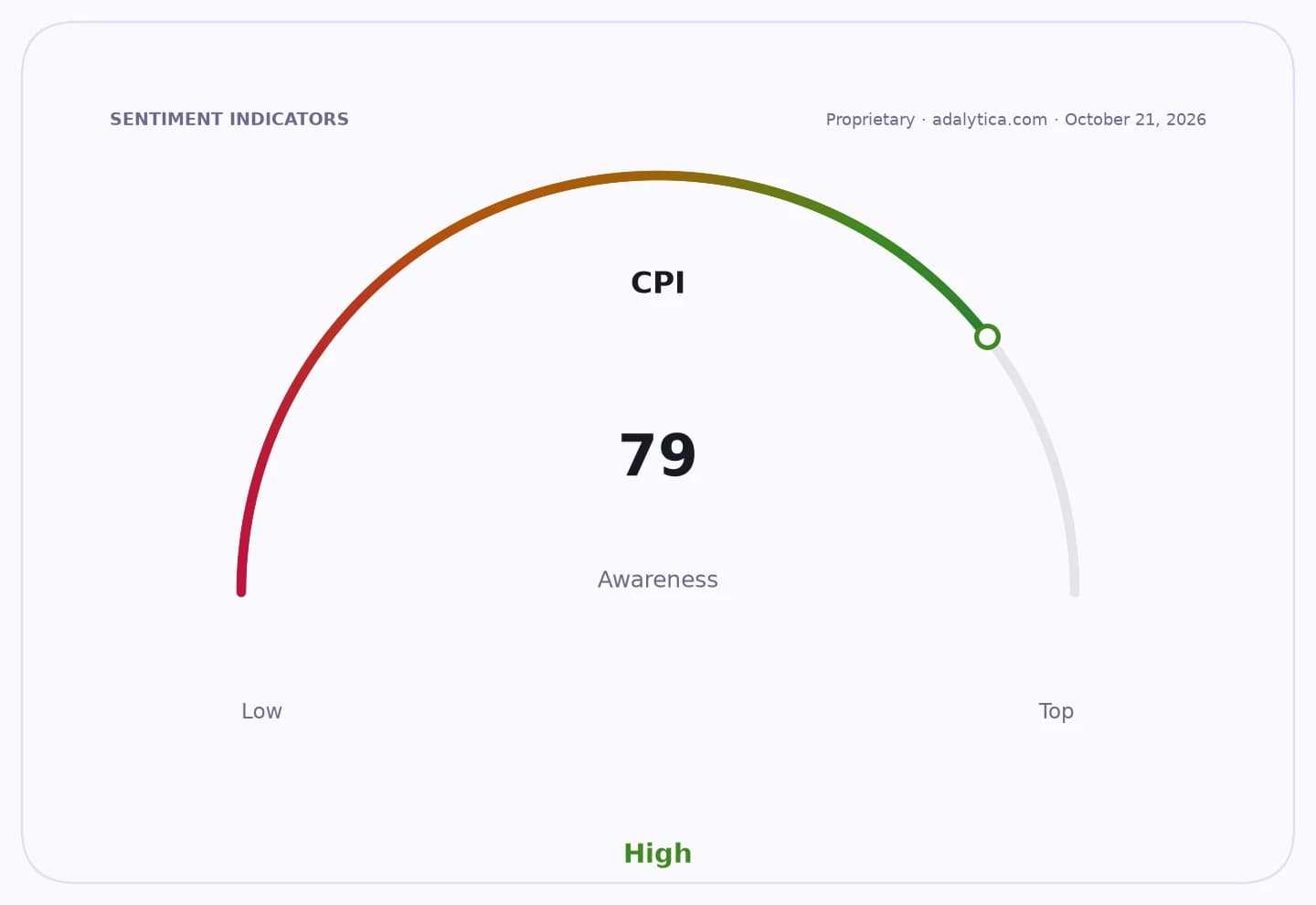
Sentiment IndicatorsⓘProprietary · adalytica.com · October 21, 2026
This is a snapshot — live sentiment, awareness and momentum for 130+ markets update continuously in the dashboard.Open AlphaPulse
Traders in the emporium say the cost of cotton-based fabric has increased twice in recent months, with the price of fabric up about S/2 to S/3 per kilo, according to one business owner. In response, some merchants have reduced prices to defend market share, including T-shirts that fell from S/18 to S/15 and two-for-S/30 promotions. That may help preserve turnover in the short term, but it also shows how little pricing power textile sellers have in a slowing market.
The emergency declaration opens the door to relief measures that could include tax debt rescheduling and restructuring of obligations to the financial system. The Ministry of Production is also expected to approve a recovery plan with four lines of action aimed at supporting textiles and apparel. For investors, the key issue is whether those measures arrive fast enough to stabilize cash flow before layoffs, inventory liquidations and closures spread further through the supply chain.
The broader signal is not just about one market in Lima. Cotton is a global input, and higher raw-material prices ripple through apparel manufacturers, wholesalers and retailers from small workshops to larger consumer brands. When fabric costs rise while final demand weakens, the beneficiaries are upstream growers and commodity holders, while downstream manufacturers and import-dependent sellers take the hit.
My thesis is that this is exactly the kind of dislocation the market often ignores until the damage is visible in earnings and employment data. In Peru, that means the near-term opportunity is not in struggling textile merchants, but in businesses that can absorb cost shocks, source efficiently, or gain share as weaker competitors are forced to shrink. If the government response succeeds, the sector may stabilize; if not, Gamarra’s price war could deepen into a broader contraction.
| Entity | Gains | Losses |
|---|---|---|
| Cotton suppliers | ▲Higher selling prices | ▼None from this squeeze |
| Gamarra textile retailers | ▲Short-term volume defense | ▼Margins and cash flow |
| Peru’s government | ▲Chance to support jobs | ▼Fiscal pressure |
| Consumers | ▲Lower retail prices | ▼Fewer choices if shops close |