Kalaburagi’s Sona Mussoorie rice prices have dropped sharply, and that matters because it shows how quickly a staple food market can swing when supply catches up with demand. Retail prices for the variety have eased to ₹65-70 a kilogram from as high as ₹85 only a month ago, giving households relief after a brief spell of panic buying.
Kalaburagi Sona Mussoorie Rice Prices Fall
Food & Groceries
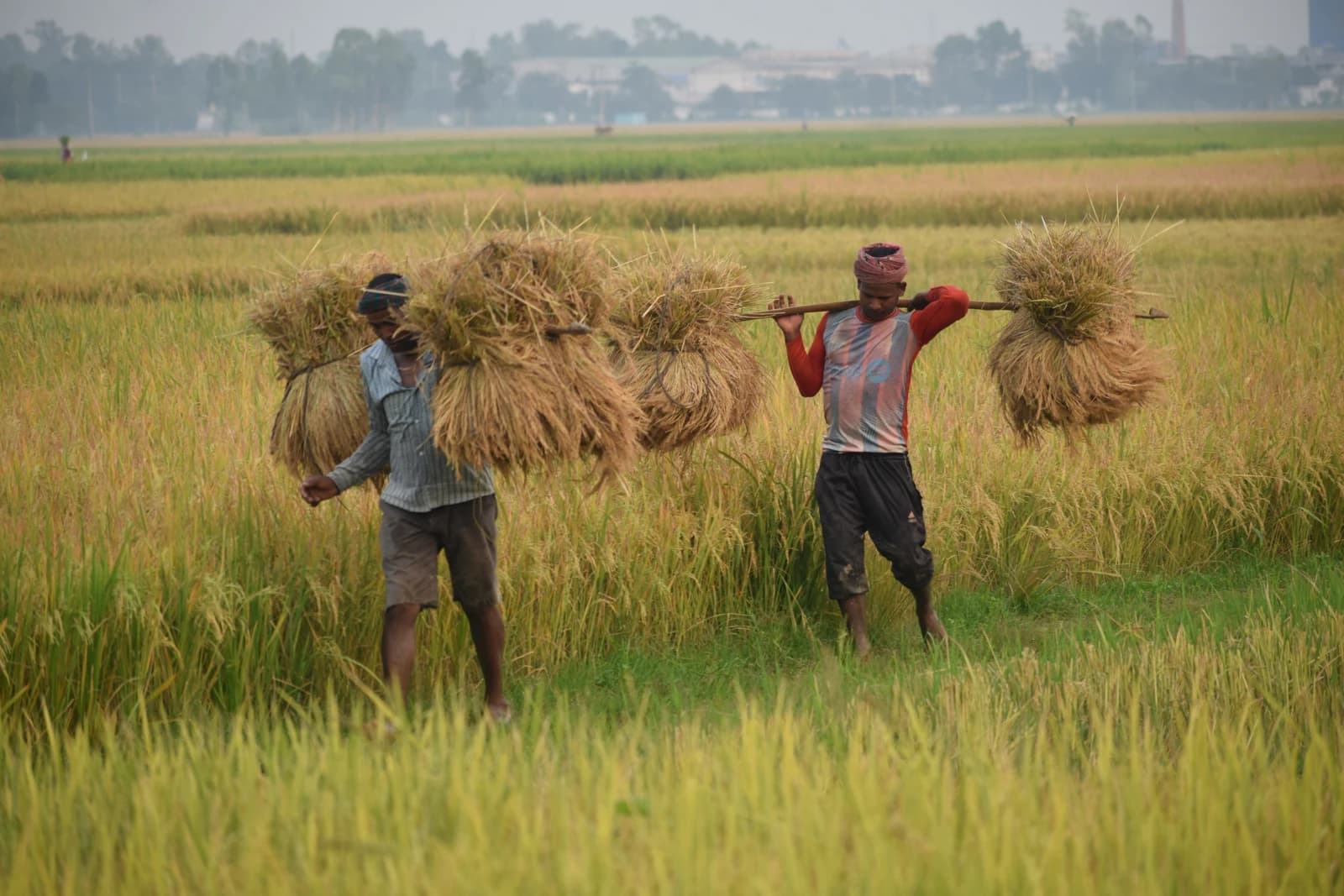
The immediate driver is a flood of paddy into local mills from outside Karnataka, especially from Gangavathi and Karatagi, along with Maharashtra and Telangana. As harvests in those regions wrapped up, more paddy reached traders and rice mills, pushing down raw material costs and easing the finished rice price. In wholesale trade, a quintal of Sona Mussoorie has fallen by about ₹2,000 to roughly ₹6,500 from ₹8,500 a month earlier, while the price of a 75-kg paddy sack has slipped by about ₹300-400.
Sentiment Indicators
For consumers, that is a welcome reversal. Many families had rushed to buy rice when prices climbed to as much as ₹2,300-2,500 for a 26-kg bag last month on fears that drought conditions would drive prices even higher. Those same buyers are now sitting on expensive inventory just as the market softens. For retailers and millers, though, the story cuts both ways: lower raw material costs help improve turnover, but any government move to tighten stock limits could quickly shrink available supply and put prices back up.
That policy risk is what investors and market watchers should keep an eye on. Rice prices do not move only on harvest volumes; they also respond to storage rules, procurement policy and the next round of arrivals. The local industry is already warning that if stock norms are reduced, millers could struggle to hold inventory, tightening supply and lifting prices again. If, however, paddy arrivals remain strong and water releases support the next crop around the Tungabhadra basin, the market could stay stable for longer.
For investors in the broader food and grocery space, this is a reminder that staples inflation can cool fast when supply improves. Adalytica’s consumer-food sentiment gauge is neutral, while CPI awareness remains elevated, showing how closely households are watching price changes. Over the longer run, the key issue is not just this month’s drop in rice prices but whether India can keep staple supplies steady enough to prevent another spike. For now, consumers win, traders face thinner pricing power, and rice mills are waiting to see whether the supply cushion lasts.
| Entity | Gains | Losses |
|---|---|---|
| Consumers | ▲Lower rice bills | ▼Less benefit for recent panic buyers |
| Rice mills and traders | ▲Higher throughput | ▼Thinner margins if prices keep falling |
| Paddy farmers | ▲Easier crop offtake | ▼Lower farm-gate prices |
| Government | ▲Less food inflation pressure | ▼More pressure if prices reverse |