A hardy papaya variety is emerging as a surprisingly attractive cash crop for small farmers, with reports from Bihar showing that an acre can generate about ₹4 lakh in annual sales on roughly ₹2 lakh of costs.
Bihar papaya farming can earn ₹4 lakh an acre
That matters because Indian agriculture is still dominated by low-margin staples, and farmers are under pressure to find crops that can deliver better returns without demanding huge land holdings. The appeal of Taiwan Red Lady papaya is simple: it starts yielding quickly, can produce fruit for up to two years, and fetches better prices because of its size and market appeal.
Sentiment Indicators
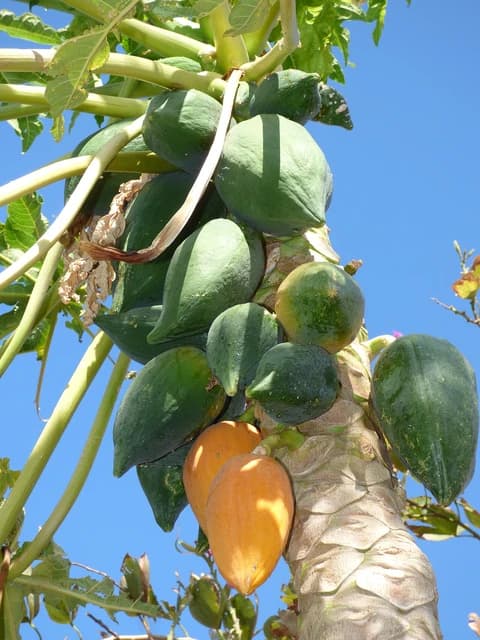
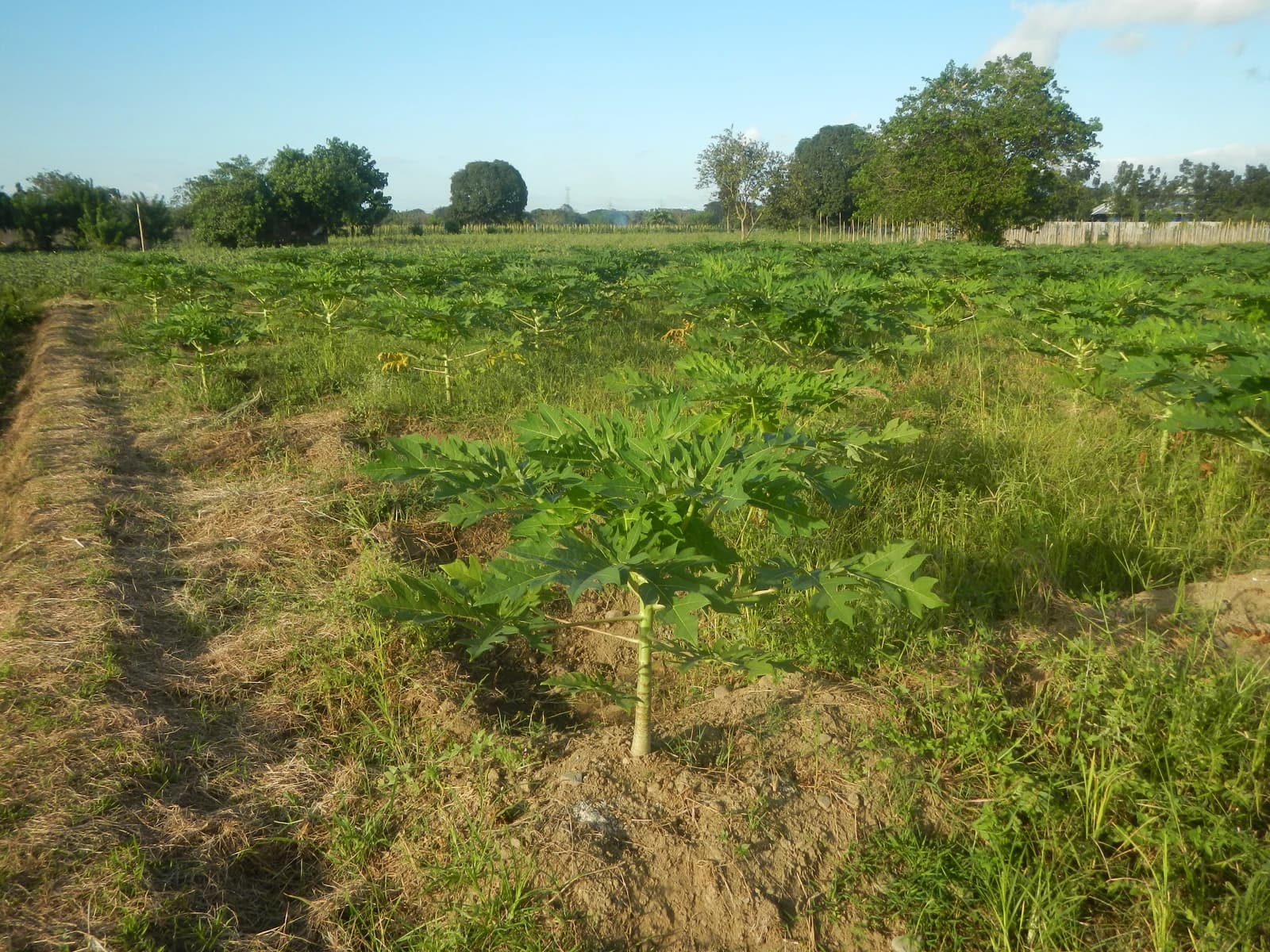
The latest example comes from Jehanabad district in Bihar, where farmer Devsharan Prasad planted about 50 papaya saplings along the embankments of a fish pond and turned otherwise unused space into productive land. The plants began bearing fruit in about six months, and he says each papaya can weigh 2 to 3 kilograms. In one acre, he estimates 2,500 to 3,000 plants can be grown, with expenses around ₹2 lakh for saplings, fertilizer, weed control and labor.
For investors and agribusiness watchers, the story is less about one farmer’s success than about a broader shift toward integrated farming. By combining fish farming with papaya cultivation, growers can spread risk, improve land use and lift income from the same plot. That is exactly the kind of productivity gain rural India needs if it is going to grow farm incomes without relying solely on acreage expansion.
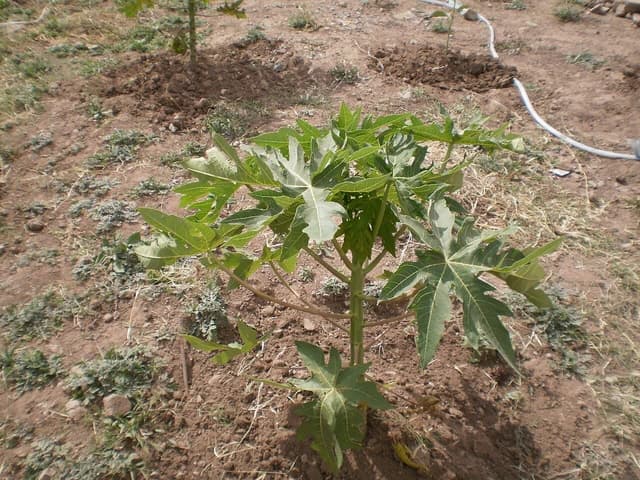
The economics are important beyond the farm gate too. Higher-value horticulture crops create demand for nursery stock, fertilizers, logistics, wholesale trading and cold-chain handling. They also strengthen local agricultural markets by shifting farmers away from pure commodity exposure and toward crops with better unit economics and faster cash conversion.
Still, the opportunity is not automatic. Papaya farming depends on soil quality, drainage, pest control and, just as importantly, market access. Farmers can earn less than expected if prices fall at the APMC or if disease hits output. That is why the smarter play is usually to test the crop on a small patch first, then scale only if local conditions and demand support it.
For long-term investors, the takeaway is straightforward: India’s agricultural growth story is increasingly about yield, diversification and efficient use of land, not just larger harvests. Papaya may not be a headline-grabbing crop, but for farmers looking to turn a modest investment into a meaningful income stream, it is worth watching closely.
| Entity | Gains | Losses |
|---|---|---|
| Small farmers | ▲Higher per-acre income | ▼Dependence on staple crops |
| Papaya growers | ▲Faster cash flow | ▼Price and disease risk |
| Nurseries and input suppliers | ▲More seedling demand | ▼Low-value crop systems |
| APMC traders | ▲More horticulture volume | ▼Farmers with weak bargaining power |