Cocoa's rally is forcing Indonesia to act fast, and Pesawaran has become the government's test case for turning a price spike into lasting farm income rather than another missed windfall.
Indonesia cocoa plan tests Pesawaran farm-price model
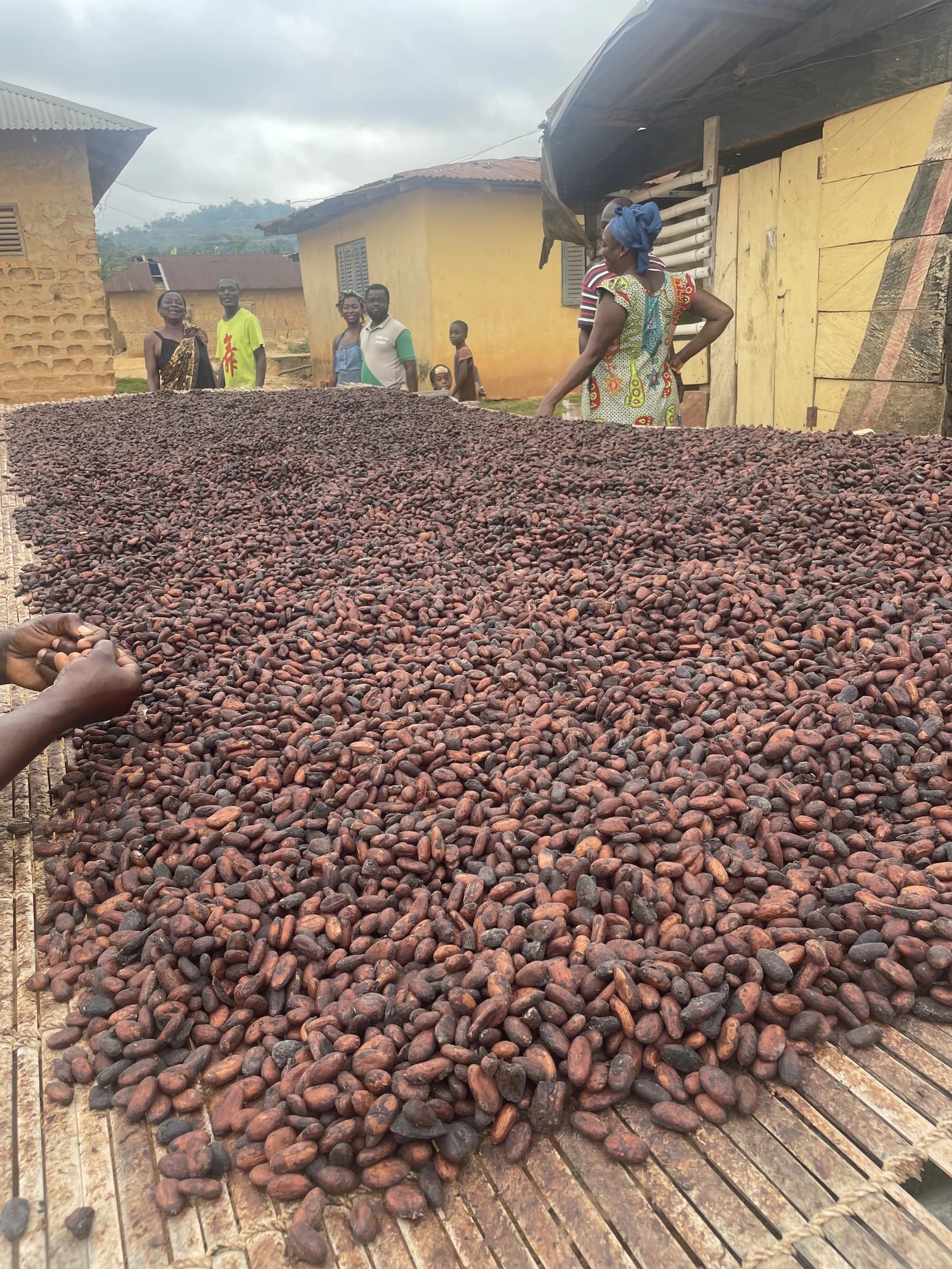
With local bean prices already reaching Rp60,000-Rp90,000 per kilogram by October, the government is using Lampung's Pesawaran district as the first pilot for its 2026-2029 National Sustainable Cocoa Action Plan, a move that could reset how the country sells, grades and finances one of its most important plantation crops. The point is not just higher prices, but who captures them.
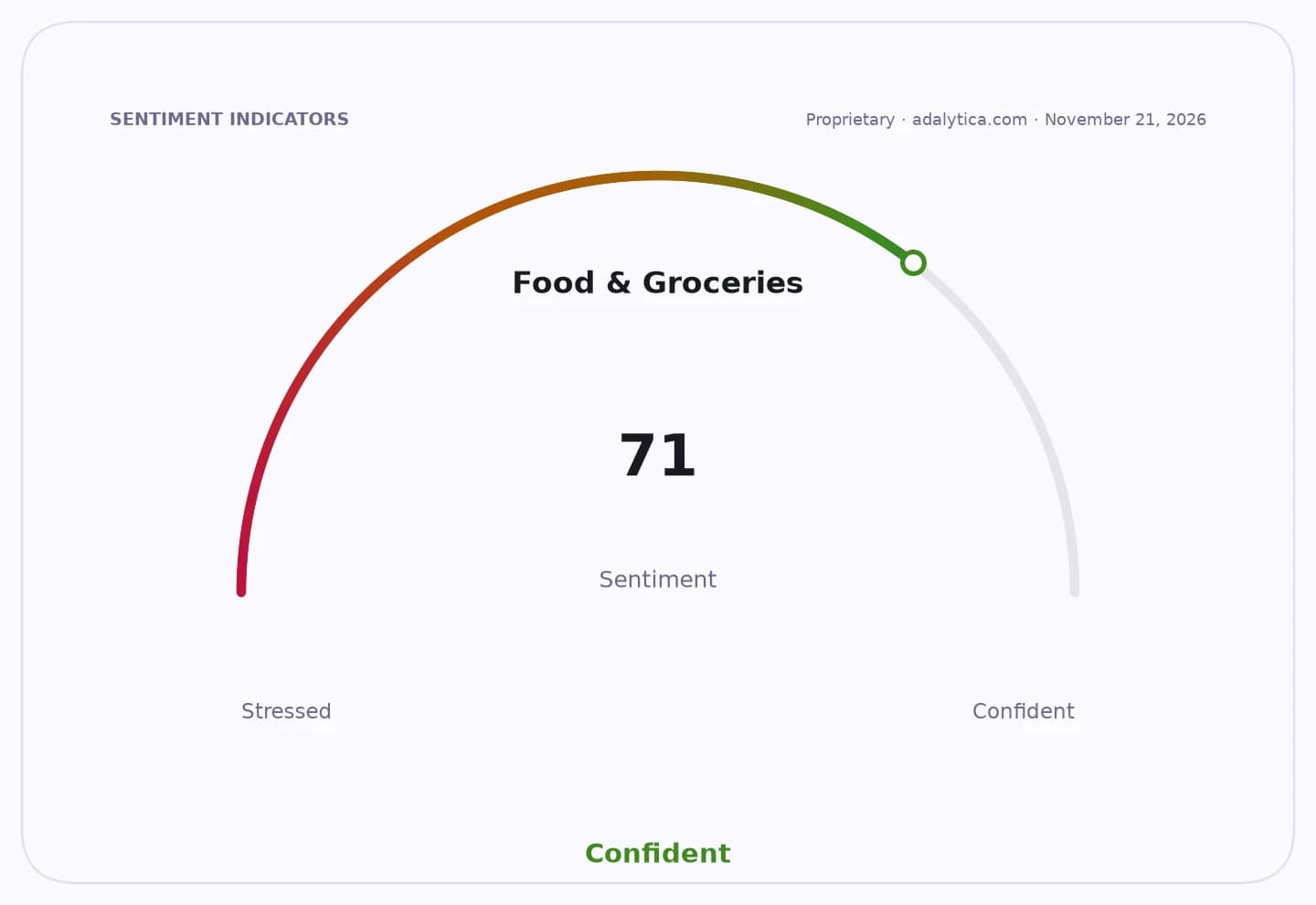
Sentiment Indicators

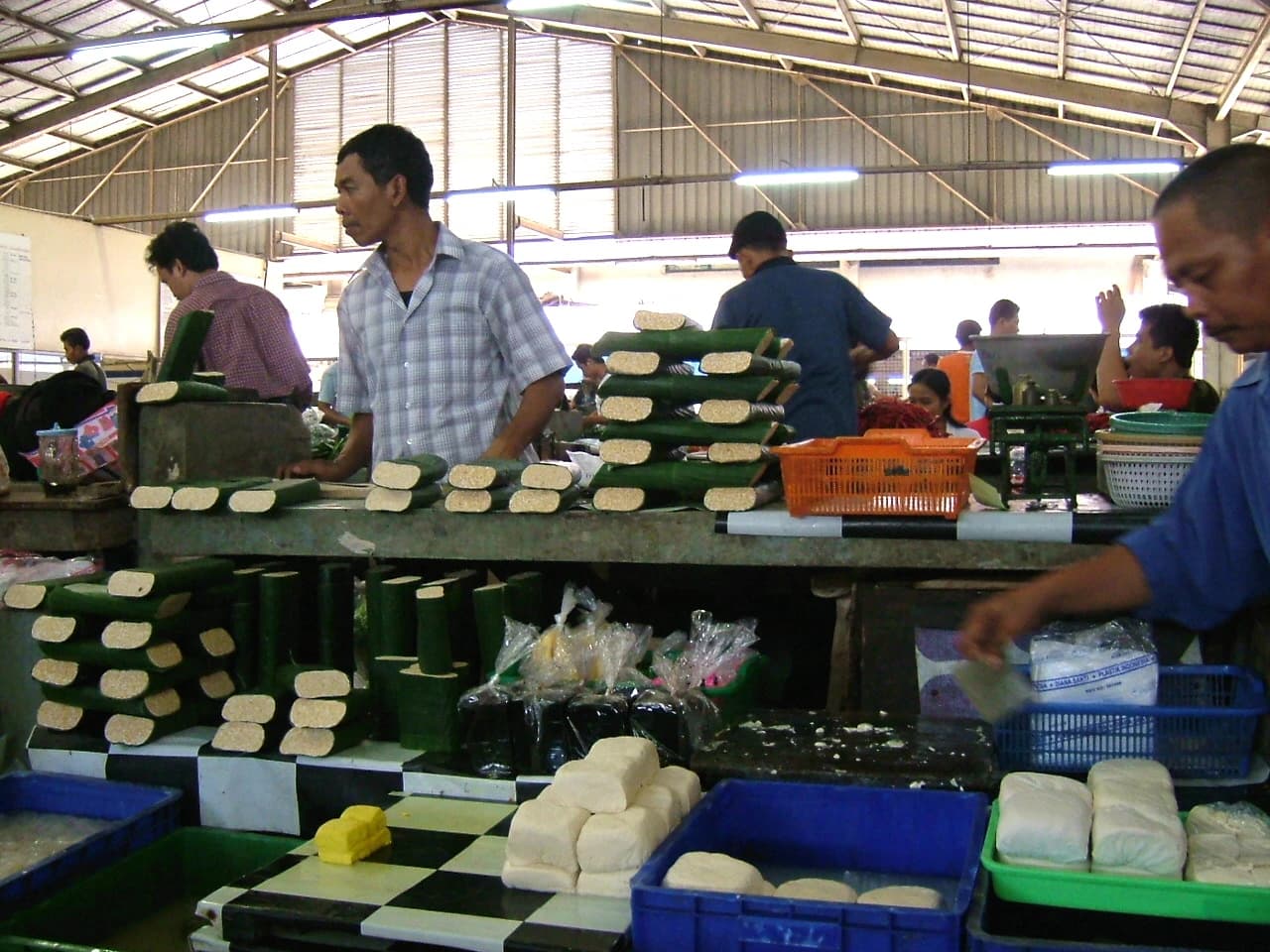
Coordinating Food Minister Zulkifli Hasan said the new model is designed to strengthen farmers' bargaining power by pushing more beans through fermentation, cooperatives and quality-based pricing. In practical terms, that means the margin should shift away from middlemen and back toward growers if the system works as intended.
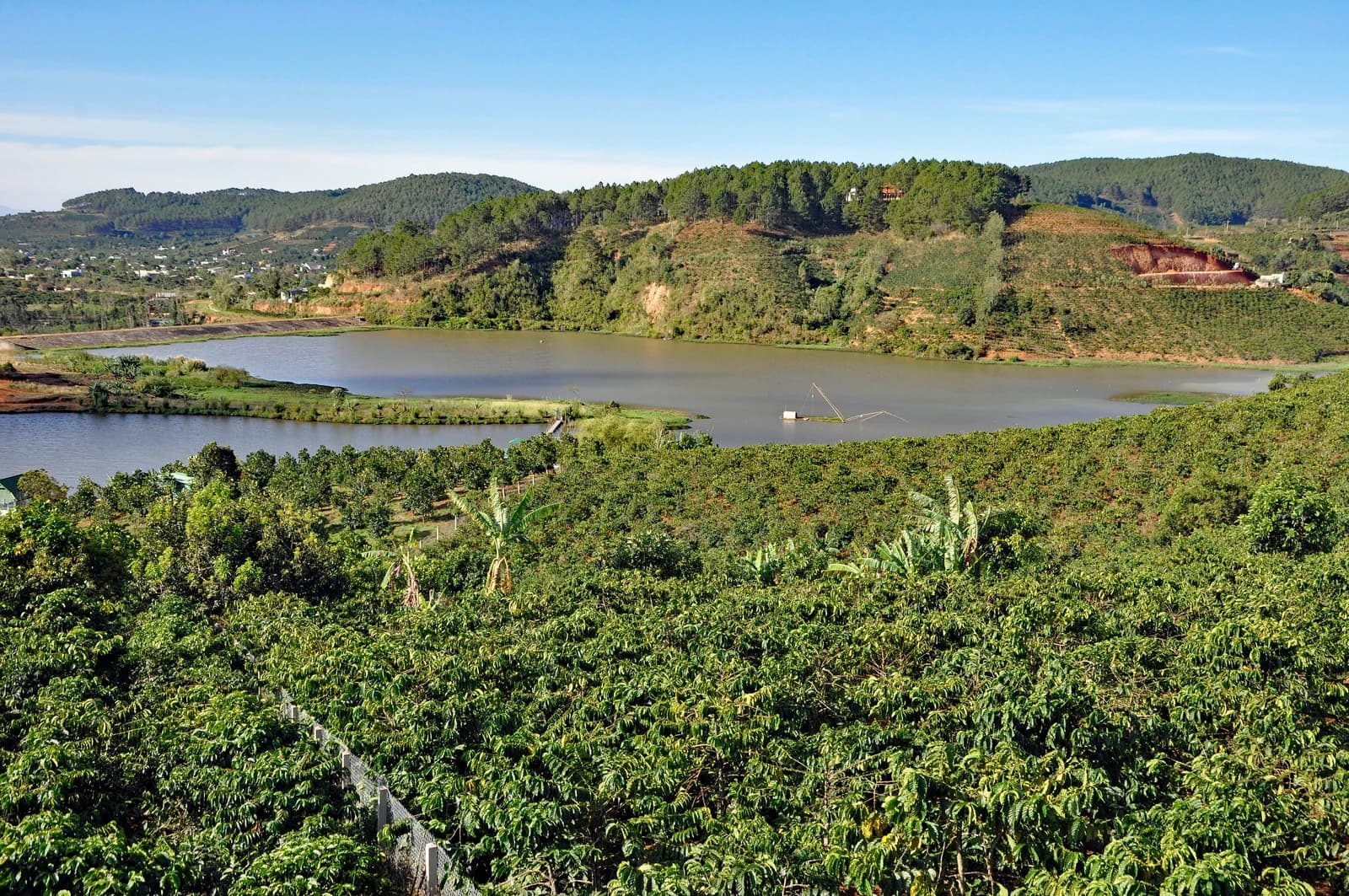
Pesawaran matters because it already has scale: 25,829 hectares of cocoa gardens and production of 21,572.59 tons. The government is now trying to turn that base into a higher-value supply chain, starting with joint fermentation facilities, a floor price and premiums tied to bean quality. The target is for fermented cocoa to make up 20% of output by 2027, supported by at least two new cooperatives.
That is where the investment case gets interesting. Global cocoa supply has been under pressure from weather disruption and years of underinvestment, while demand for traceable, higher-quality beans keeps rising. In that environment, Indonesia is not just chasing volume; it is trying to move up the value chain while the world is paying up for supply security. If Lampung can prove the model, other cocoa centers could follow.
The reopening of the Way Berulu cocoa seed garden underscores that this is also a replanting story. The site, which had been dormant since 2018, is being revived with superior cloned seedlings that can produce more than two tons per hectare. The Ministry of Agriculture also plans to distribute 10.3 million improved seedlings in Lampung, alongside five tons of fertilizer from PT Pupuk Indonesia.
Capital is being pushed into the system as well. The Environmental Fund Management Agency has already disbursed Rp1.438 billion in revolving financing to 94 agroforestry cocoa farmers in East Lampung, Central Lampung and Pesawaran, followed by Rp672 million for 43 farmers linked to Olam Indonesia and Rp330 million for 22 farmers linked to Papandayan Cocoa Industrie. The program could eventually reach 2,000 to 5,500 farmers.
For investors, the message is simple: the cocoa theme is no longer just about commodity price volatility. It is about the next phase of supply-chain investment, from seedlings and fertilizer to cooperatives, fermentation, logistics and financing. That creates a longer runway for agribusinesses, input suppliers and processors positioned for traceable, premium-grade cocoa, while leaving traders who rely on undifferentiated beans exposed to a structural shift.
The market underestimates how quickly a high-price environment can accelerate policy change. If Pesawaran delivers higher yields, better quality and stronger farm-gate economics, Indonesia could emerge as a more reliable cocoa origin just as global buyers are desperate for resilience. This is the kind of inflection point that can compound for years. Position early.
| Entity | Gains | Losses |
|---|---|---|
| Pesawaran cocoa farmers | ▲Higher farm-gate prices | ▼Dependence on middlemen |
| Cooperatives and fermenters | ▲Larger role in the chain | ▼Informal traders |
| Seed and fertilizer suppliers | ▲More demand for inputs | ▼Old low-yield plantings |
| Global chocolate makers | ▲Better supply security | ▼Margin pressure from pricey cocoa |