Coffee farmers in Vietnam’s Central Highlands are facing the exact risk they fear most: prices are falling even as many had hoped for a seasonal rebound, making the case for borrowing to hold stocks far more dangerous than it looks.
Vietnam Coffee Prices Fall as Farmers Debate Storage Loans
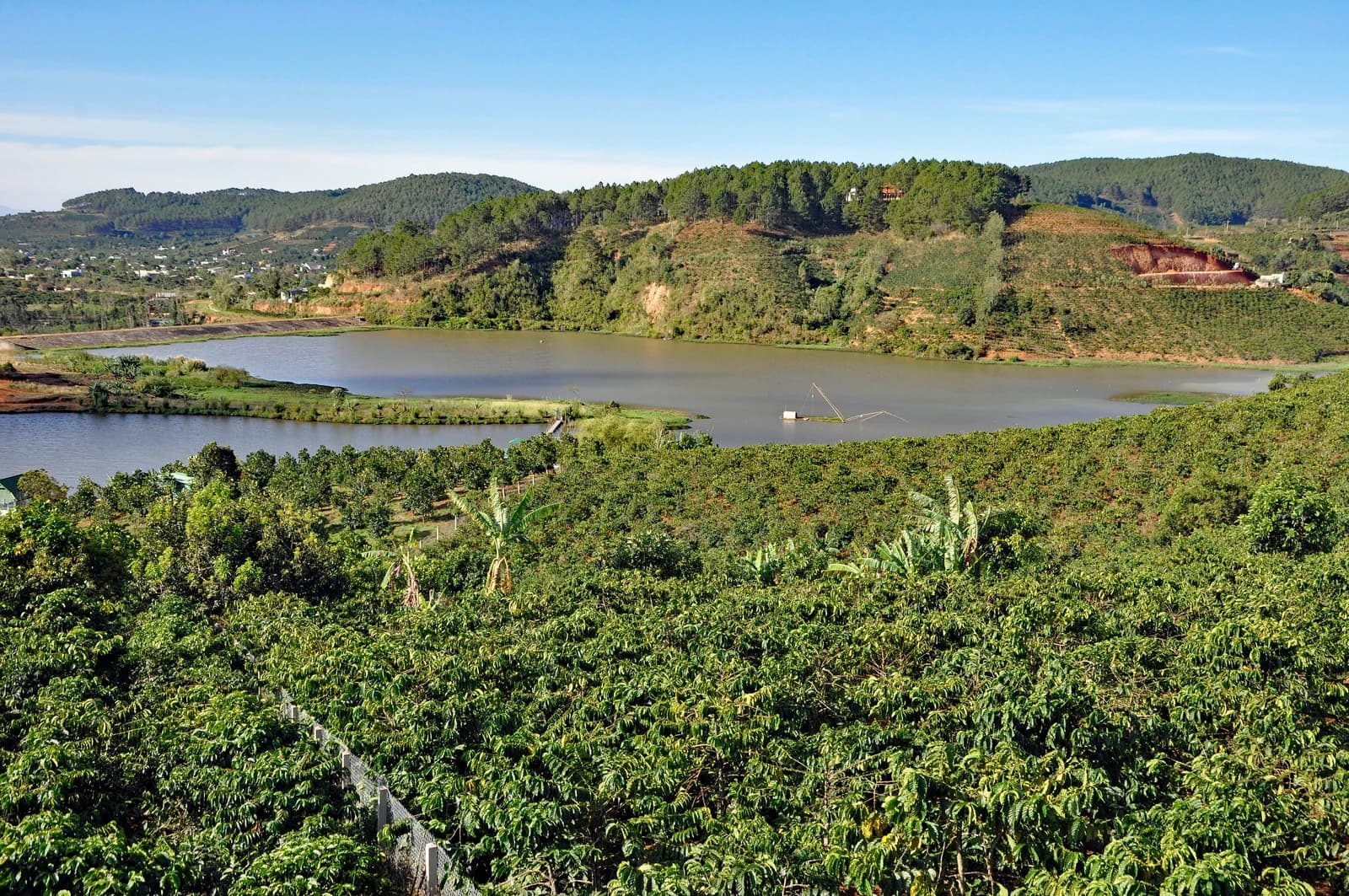
The debate, captured in a widely shared Y5Cafe exchange from Di Linh district, matters because coffee is not just a household income line but a financing decision. Farmers are weighing whether to sell now, at around 81,900 dong per kilogram in the Central Highlands as of November 17, or borrow money to cover fertiliser, irrigation and debt while waiting for a higher price. That is a classic inventory gamble in a market that has already turned volatile.
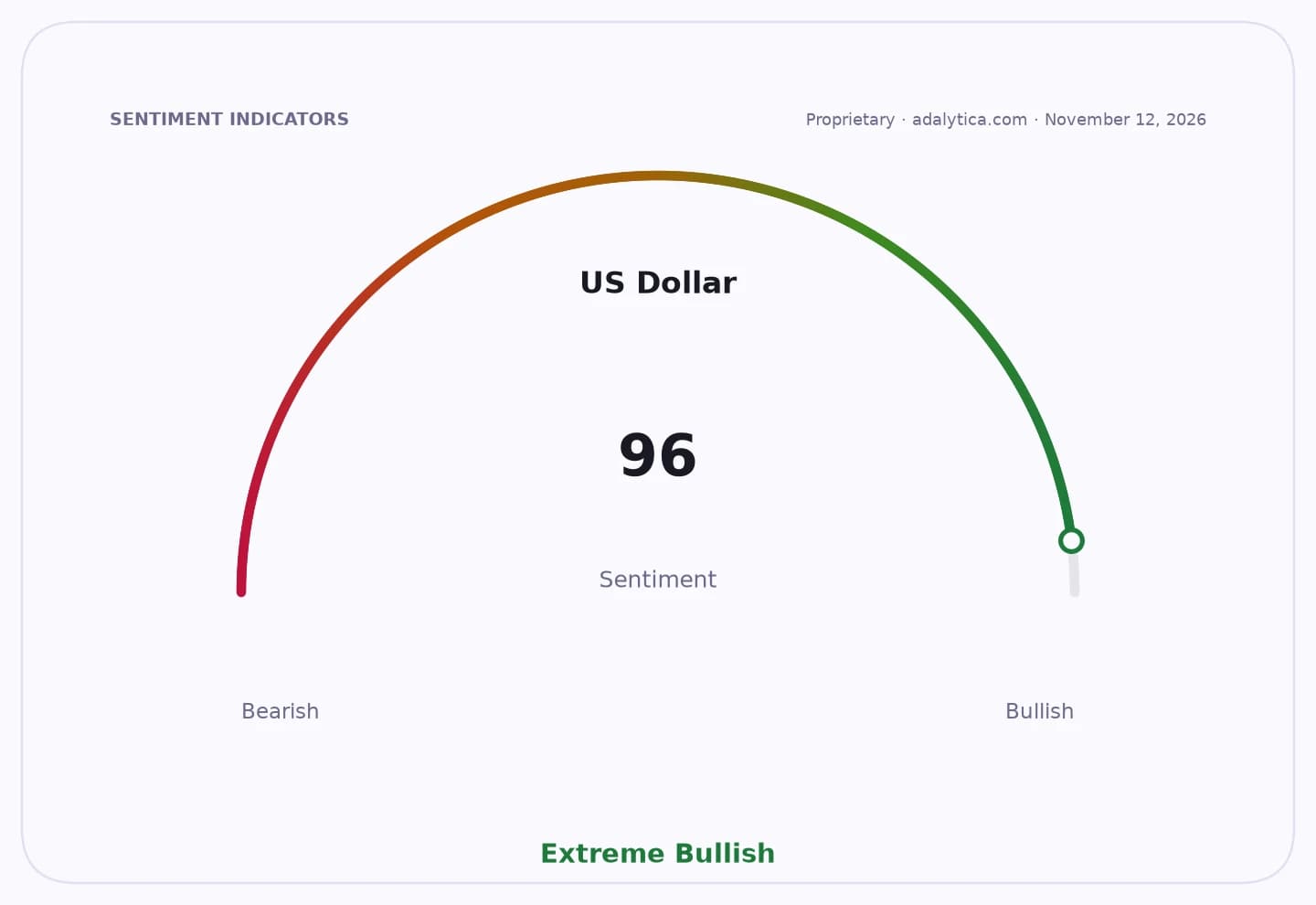
Sentiment Indicators
The economic significance is immediate. Coffee prices in Vietnam have been under pressure despite a recovery in London robusta, underscoring that domestic growers are not being paid off by global futures strength. With export turnover already at $6.6 billion after nine months, the sector remains a major source of foreign exchange, rural income and working-capital demand. When farmgate prices weaken, producers either cut spending on next season’s crop or stretch financing, both of which can feed back into supply and output.
The community math is unforgiving. One contributor to the Y5Cafe thread estimated that borrowing against 41 million dong per tonne at roughly 0.7% a month would require prices to rise to about 43.1 million dong per tonne by September just to break even after seven months of interest. That calculation excludes storage losses, administrative costs and the risk that prices keep sliding. In other words, the upside depends on a move that is uncertain, while the downside starts accruing immediately.
That is why the story matters to investors as well. For coffee traders, the farmgate squeeze can eventually translate into tighter cash flows, forced selling and more erratic supply. For exporters and roasters, it can alter procurement timing and margins. For lenders and input suppliers, it raises credit risk as farmers finance operations from a weaker price base. The broader market narrative is not simply that coffee is cheap or expensive, but that liquidity has become part of the trade.
There are still bullish arguments. A poor harvest in Vietnam last year, drought in Brazil and weaker Indonesian output have all supported the case for higher prices later. But the bearish case is more actionable: prices are already retreating, and farmers who borrow to store coffee are effectively paying for a directional view they cannot hedge. As the Y5Cafe exchange shows, the market is forcing growers to choose between immediate cash needs and the hope of a price rebound that may not arrive in time.
For now, the more important question is not whether coffee can revisit 50,000 dong a kilogram, but whether growers can survive long enough to benefit if it does. That will depend on financing costs, export demand and whether inventories tighten again before the next major selling season.
| Entity | Gains | Losses |
|---|---|---|
| Farmers who sell now | ▲Immediate cash flow | ▼Upside if prices rebound |
| Farmers who borrow and hold | ▲Potential gains from higher prices | ▼Interest costs and price risk |
| Exporters and roasters | ▲Cheaper raw material supply | ▼Greater supply volatility |
| Lenders and input dealers | ▲Interest income and loan demand | ▼Rising credit risk if prices stay weak |