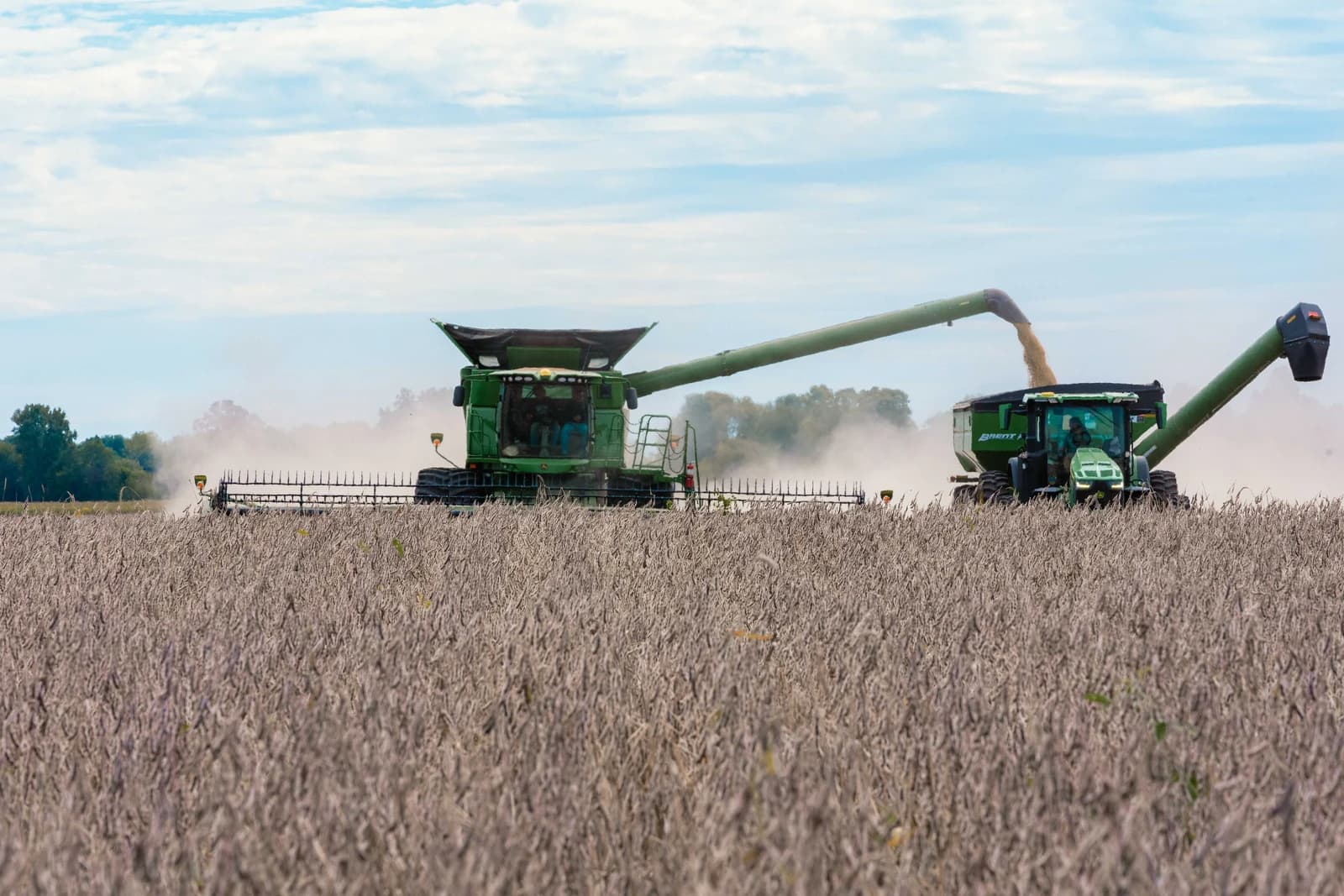
The slide in the dollar stripped about 2 trillion pesos, or roughly $2 billion, from income for Colombia’s coffee growers, underscoring how quickly exchange-rate moves can wipe out gains for a sector already squeezed by weaker output, volatile New York prices and higher costs.
Colombia Coffee Income Hit by Peso Drop
That is the key investment story here: Colombia’s coffee industry is not just dealing with a cyclical price swing, but with a margin squeeze that is being amplified by macro and policy risk. Asoexport said that if the peso had held at last year’s exchange rate, coffee-growing regions would have received nearly 2 trillion pesos more in income. For a sector that sends more than 90% of production abroad and depends on exports to fund rural economies, that is not a footnote — it is the difference between reinvestment and stagnation.
Sentiment Indicators
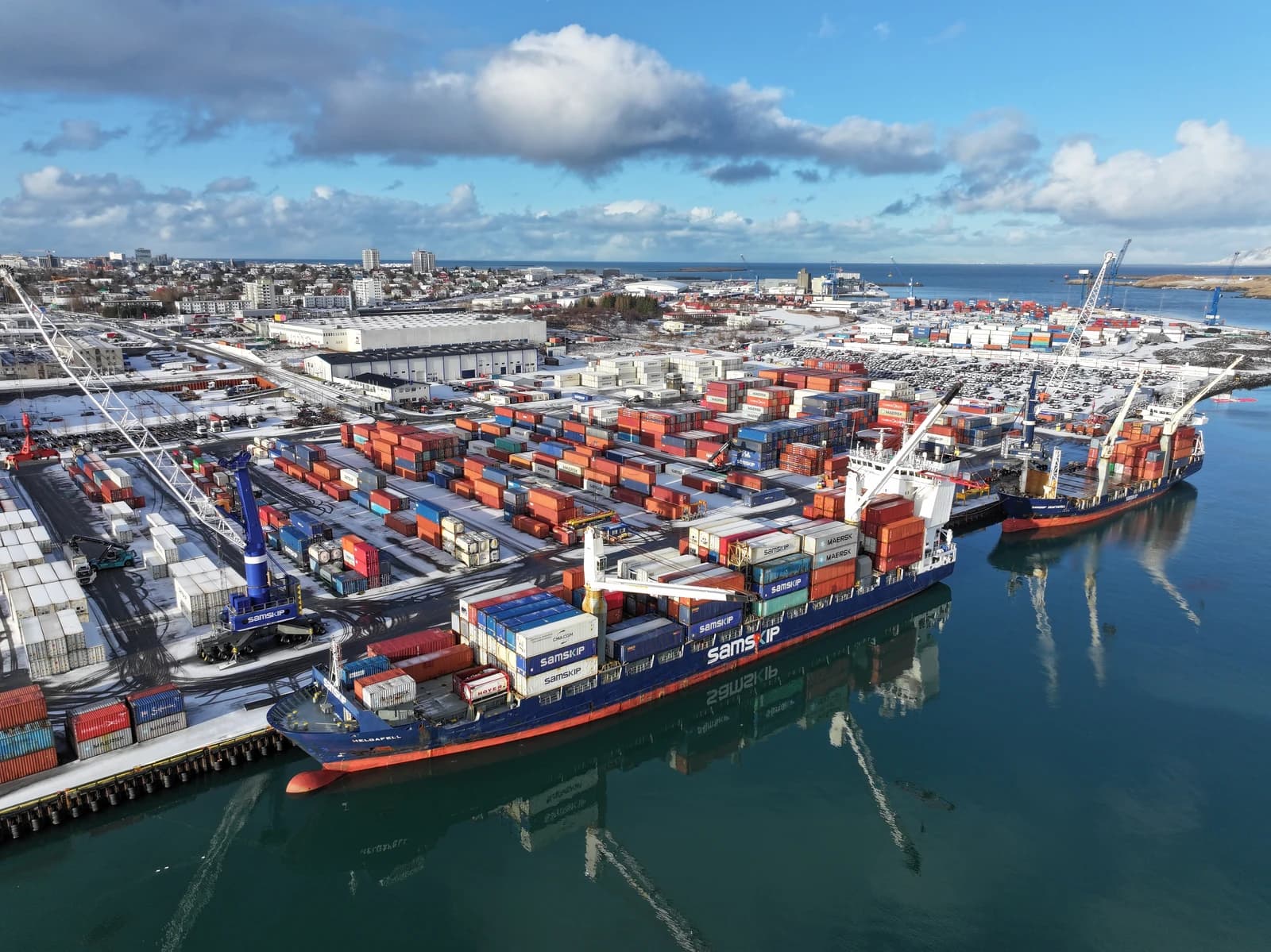
The damage lands at the worst possible time. Coffee production is falling, reducing export volume just as prices in New York have been swinging by 40 to 50 cents a pound, according to the exporters’ association. On top of that, exporters are facing higher wage costs, steeper logistics expenses and security headaches that raise the cost of moving beans from farm to port. Buenaventura remains the main exit point, while U.S. buyers still account for more than 40% of Colombian coffee exports, making Washington’s trade posture and demand trends critical for the sector.
Investors should also pay close attention to the policy layer. Asoexport warned that a tax reform could burden the chain with VAT on processed coffee and eventually on green coffee as well, creating financing and administrative friction for exporters even if the government ultimately refunds the money later. For a business built on thin spreads, temporary tax financing can be a real drag on working capital and returns. That is especially true for smaller growers and exporters that do not have the balance-sheet flexibility to absorb delays.
The market implication is clear: this is no longer just a commodity story, but a currency story, a logistics story and a policy story rolled into one. The market underestimates how exposed Colombian coffee is to a strong or volatile peso, and that creates an opportunity to look beyond the bean itself to the infrastructure and supply-chain beneficiaries. Companies tied to container availability, port throughput and agricultural logistics stand to gain if Colombia can keep exports moving efficiently. So do producers that can raise output, improve quality and capture more value-added sales.
There is also a longer-term strategic angle. Asoexport wants Colombia to expand robusta production and lift domestic consumption to reduce imports and increase total output toward 18 million to 20 million bags. That is a multi-year industrial opportunity, not just an agricultural one. If Colombia can scale production, strengthen logistics and preserve access to the U.S. market, the sector can rebuild pricing power and defend its role as one of the country’s most important hard-currency earners.
For investors, the takeaway is straightforward: the near-term pain from the weaker dollar and softer output is real, but the bigger opportunity lies in the second-order winners from the push to modernize Colombia’s coffee chain. Watch exporters with strong balance sheets, logistics infrastructure names and any company tied to yield expansion and value-added coffee processing. The growers are under pressure today, but the next phase of returns will likely come from those who help the industry adapt.
| Entity | Gains | Losses |
|---|---|---|
| Colombian coffee exporters | ▲Better margins if peso stabilizes | ▼Dollar weakness, tax friction |
| Coffee growers | ▲Higher output potential from expansion plans | ▼2 trillion peso income hit |
| Ports and logistics providers | ▲More demand for efficient exports | ▼Security and container bottlenecks |
| U.S. buyers | ▲Stable access to Colombian supply | ▼Tighter supply and higher costs |