China's soybean appetite is set to remain the single most important demand anchor in global agriculture, and that matters now because the USDA attache's 2026-27 import forecast points to another year of heavy buying even as traders look for signs of softer Chinese consumption.
China soybean imports seen staying near 110 million tons
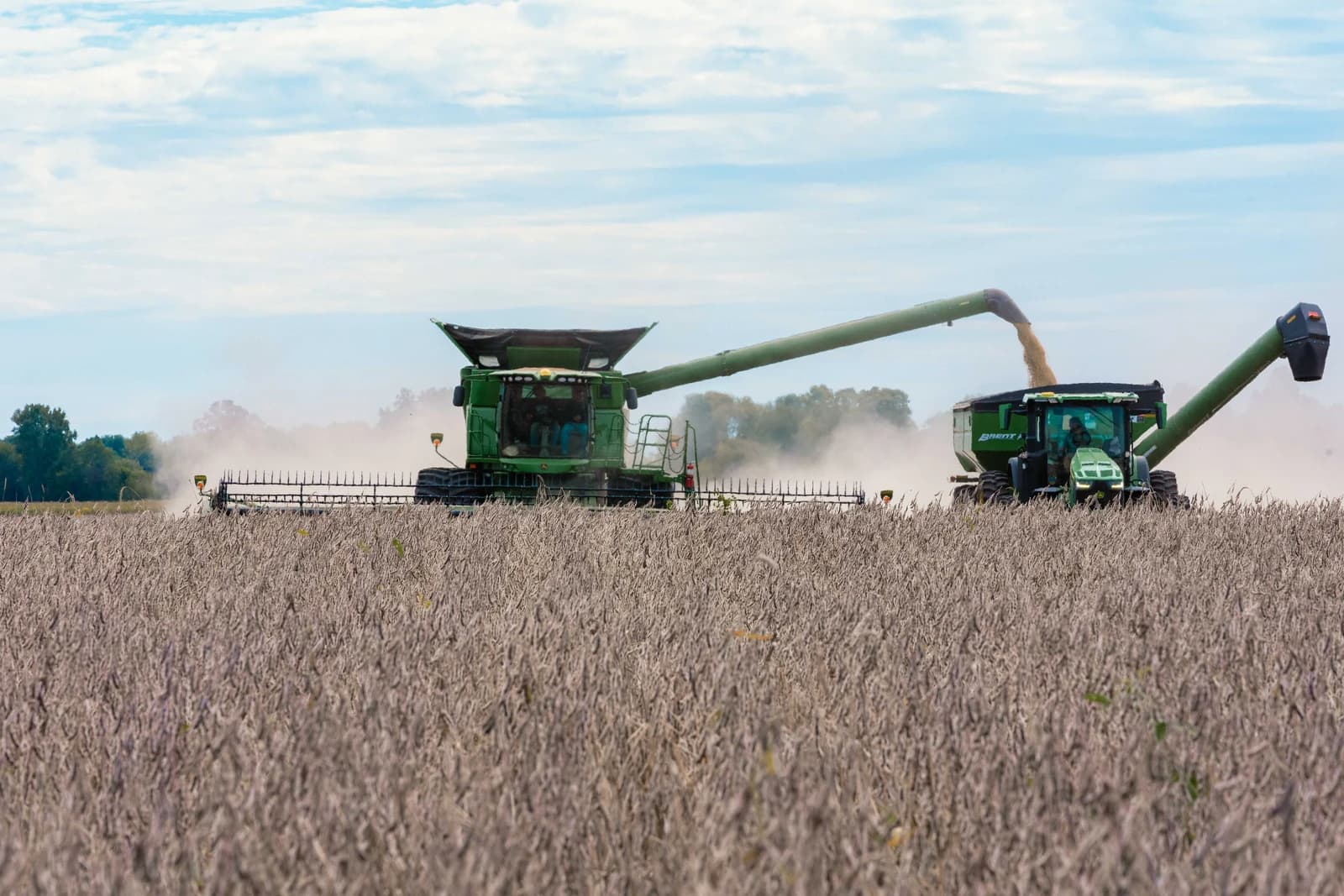
A projected 110 million tons of imports would keep China locked in as the world's dominant soybean buyer and preserve a floor under prices for U.S. and Brazilian exporters, crushing the idea that agricultural demand is about to roll over. For investors, that is the key. Soybeans are not just a crop market; they are a leveraged bet on Chinese feed demand, trade policy and the direction of global food inflation.
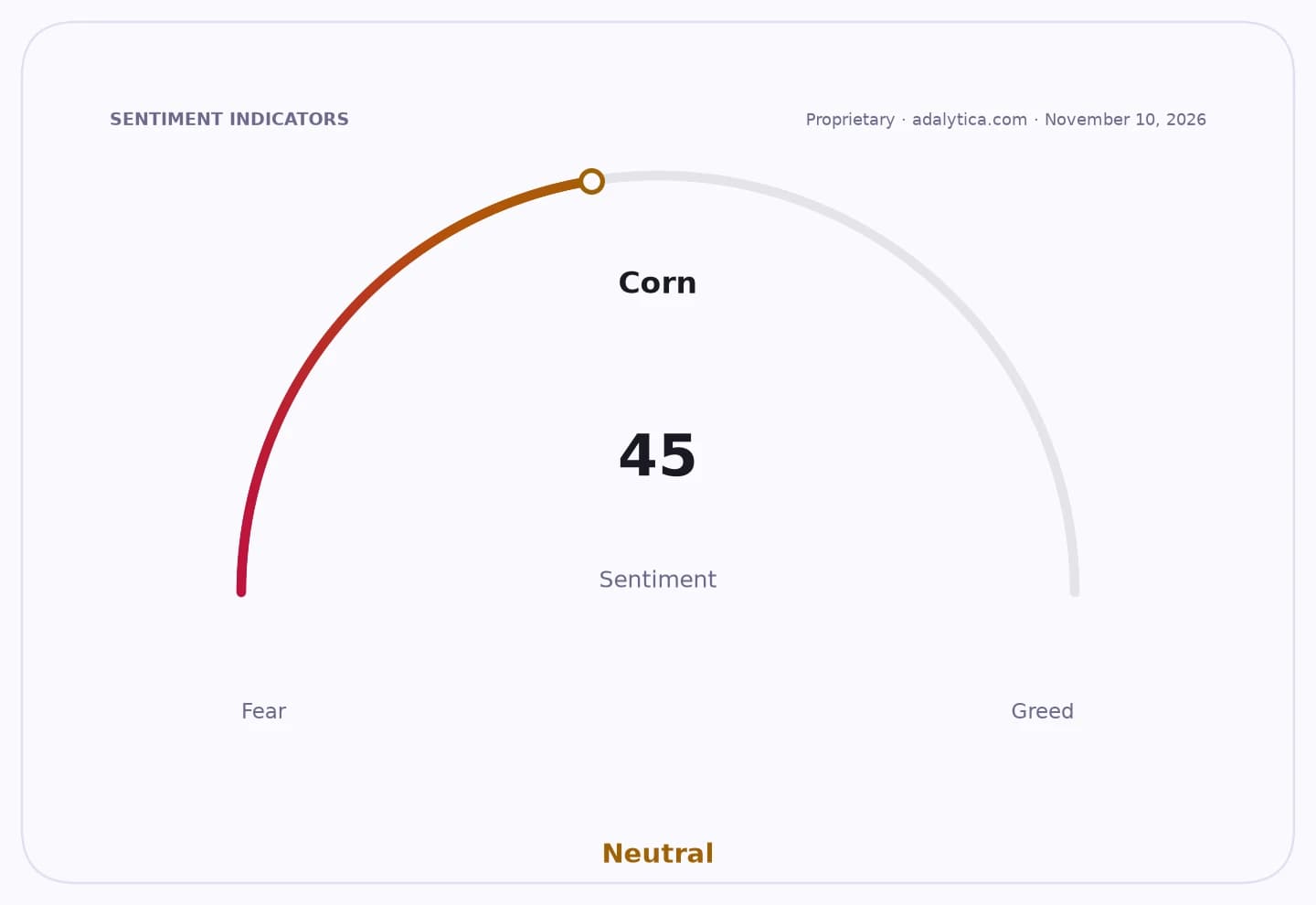
Sentiment Indicators
The timing is especially important because the market is still digesting a mix of geopolitics and policy that can swing commodity prices fast. China's willingness to extend tariff suspensions on U.S. goods and signal openness to more farm purchases gives the market a possible trade-truce premium, while tensions in oil markets and a firmer dollar can still ripple through input costs and crop pricing. USDA-attache forecasts do not set prices on their own, but they can reinforce the broader view that demand remains resilient enough to keep agricultural markets tight.
That is already showing up in the tapes. The SOYB exchange-traded product has been volatile, but it remains above its 200-day moving average even after a recent pullback, while technical readings on its conventional indicators have cooled sharply from overbought levels. DBA, the broader agriculture basket, has also given back ground after a strong run, and Corn ETF CORN has slipped into much weaker technical territory. The divergence matters: the market is pricing in plenty of noise, but not enough confidence that Chinese import demand will stay near historic highs.
The investment case here is not to chase a single headline move. It is to position for a multi-quarter setup in which China keeps importing vast volumes of soybeans, U.S. and South American exporters retain pricing power, and agricultural processors, shippers and input suppliers continue to benefit from a structurally large trade flow. Archer-Daniels-Midland, Bunge Global and other commodity handlers sit closest to that revenue stream, while farmers and exporters gain from firmer demand; the main losers are buyers and consumers if food inflation re-accelerates.
Our thesis is simple: the market underestimates how durable China's soybean import machine remains, and that makes agriculture one of the cleaner asymmetric plays in a world still wrestling with geopolitics, inflation and supply-chain fragility. If Beijing follows through on larger farm purchases, soybeans should be one of the first markets to tighten, and the next leg could favor long exposure to grain and ag-linked equities before consensus catches up.
| Entity | Gains | Losses |
|---|---|---|
| U.S. and Brazilian exporters | ▲Higher export demand | ▼None |
| ADM and Bunge | ▲Stronger trading margins | ▼Softer pricing power if demand fades |
| Soybean producers | ▲Better farmgate prices | ▼Importers facing higher costs |
| Grain consumers | ▲Stable supply access | ▼Food buyers if prices rise |