Colombia’s rice industry will begin a sweeping production-order overhaul in the first half of 2027, a move aimed at reducing chronic supply-demand imbalances, stabilizing prices and shielding farmers in one of the country’s most politically sensitive food markets.
Colombia rice reform begins in 2027
The National Rice Council’s plan matters because rice is a staple in Colombia’s food basket and a strategic crop for rural incomes. By tying planting decisions more closely to domestic demand, policymakers are trying to curb the boom-bust cycle that has left producers exposed to oversupply, volatile margins and weaker bargaining power against millers and traders.
Sentiment Indicators
The model is built around four pillars: planning supply, protecting the market, supporting producers and boosting competitiveness. That includes a national rice census, zoning of planting areas by department, reference cultivation areas, a more transparent mechanism for price formation and a stabilization fund to help offset price swings. The council also wants collective crop insurance, price hedging tools and specialized financing through Finagro to support agro-industrial integration.
For investors and market participants, the key implication is that Colombia is moving closer to a more managed rice value chain, with government intervention extending from planting patterns to imports, anti-smuggling enforcement and price discovery. If implemented effectively, the framework could reduce volatility for producers and improve visibility for processors and lenders. If it is poorly executed, it risks adding bureaucracy without fixing the structural gaps that have long distorted the market.
The timing also reflects broader pressure on food systems across the region, where higher input costs, weather shocks and import competition have made staple crops more vulnerable to disruption. Colombia’s producers want more predictable revenues, while consumers and policymakers want supply security and fewer price spikes. That tension is at the center of the reform.
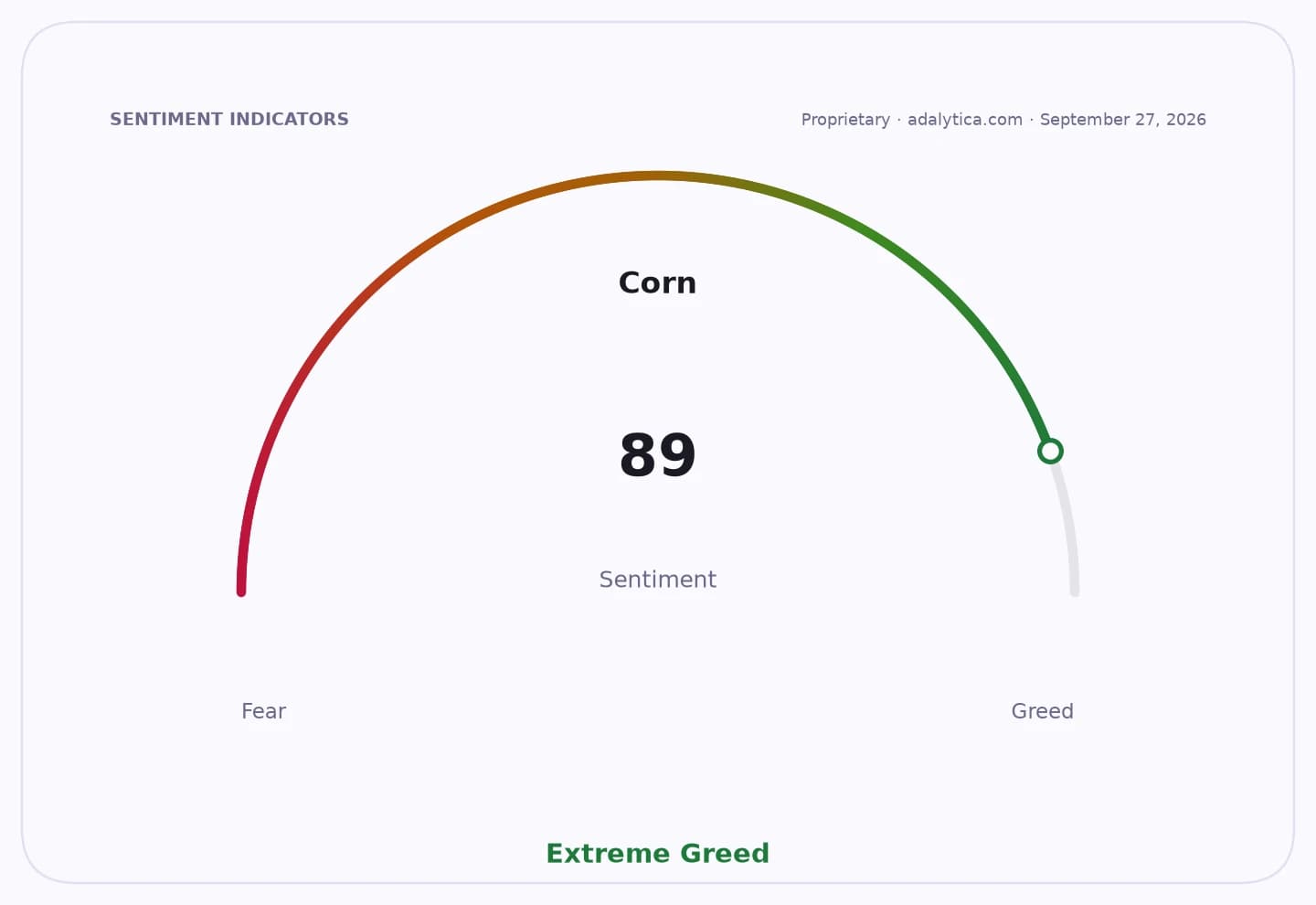
The market backdrop is supportive of a more disciplined approach. Global grain pricing has remained unsettled, and conventional technical indicators on corn and wheat futures show sharp recent weakness, underscoring how quickly agricultural sentiment can swing. Adalytica’s corn fear-and-greed reading is at extreme fear, reinforcing the view that commodity markets remain fragile and sensitive to policy shifts, weather and trade flows.
For Colombia, the reform’s success will depend on whether authorities can coordinate farmers, millers, importers and financiers around a credible data base and enforceable rules. The next catalyst will be the design of the rice census, the import-management regime and the launch of financing tools ahead of the 2027 rollout.
| Entity | Gains | Losses |
|---|---|---|
| Rice farmers | ▲More stable incomes | ▼Less planting freedom |
| Rice millers | ▲Better supply visibility | ▼Tighter margin flexibility |
| Colombian consumers | ▲Fewer price spikes | ▼Higher policy intervention |
| Importers and traders | ▲Clearer rules | ▼Greater scrutiny |