Colombia’s fuel-price stabilization fund is heading toward an $11 billion deficit if Brent crude holds around $112 a barrel, a blow that could force the government to raise diesel prices as soon as next month and add pressure to already strained public finances.
Colombia fuel fund deficit may reach $11 billion
The projected shortfall in the Fondo de Estabilización de Precios de los Combustibles, or Fepc, would exceed the $9.6 billion already earmarked in the 2026 budget, underscoring how higher oil prices are feeding directly into fiscal risk. The fund is designed to shield consumers from global fuel swings, but when crude climbs sharply, the state absorbs the difference — and the bill now appears set to rise faster than planned.
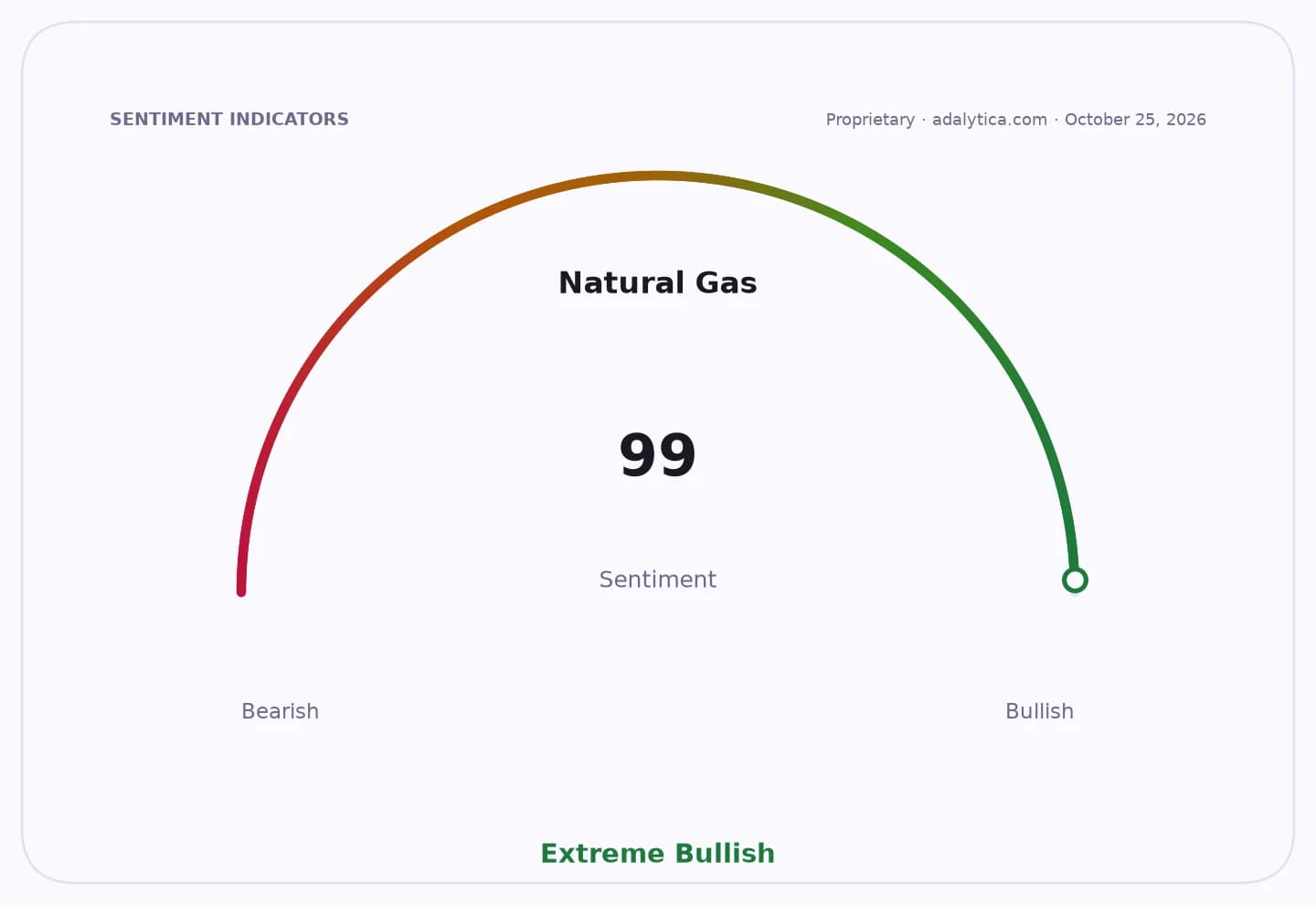
Sentiment Indicators
Julio César Vera, president of Fundación Xua Energy, said the budget allocation may prove insufficient if crude averages current levels into year-end. He said fiscal responsibility would require diesel price adjustments starting in November to narrow the gap with international prices.
The pressure is strongest in diesel, where international prices are above $4.8 a gallon at refineries and the spread to Colombia’s domestic price is about 8,400 pesos a gallon, according to the estimates cited. That means the Fepc would need to cover roughly 1.4 trillion pesos in October alone for diesel subsidies, even as gasoline’s lower international price provides only partial relief.
Vera estimated the government would need to lift domestic fuel prices by 400 to 500 pesos a gallon a month to close the gap over two years without triggering a sharper inflation shock. That matters for investors because the subsidy system has become a contingent liability for the sovereign and a working-capital drag for Ecopetrol, which books receivables from the government before getting reimbursed.
Aval Asset Management’s Ómar Suárez said the larger Fepc gap feeds into the broader fiscal deficit, which already stands at 4.6% of GDP year to date. He said higher internal fuel prices would ease the burden on state accounts, though at the cost of higher transport and farm input expenses.
For markets, the key risk is a policy trade-off: if the government moves quickly on diesel, inflation and political backlash could rise; if it delays, the fiscal hole widens and the debt load grows. The outlook also remains tied to Middle East tensions, which have pushed Brent higher and could keep Colombia exposed to more subsidy costs if supply fears persist.
| Entity | Gains | Losses |
|---|---|---|
| Colombian Treasury | ▲Lower subsidy burden | ▼Higher fiscal deficit |
| Ecopetrol | ▲Smaller receivables backlog | ▼Less protection on working capital |
| Fuel consumers | ▲Potentially delayed price hikes on gasoline | ▼Higher diesel and transport costs |
| Transport and agriculture sectors | ▲None | ▼Higher operating expenses |