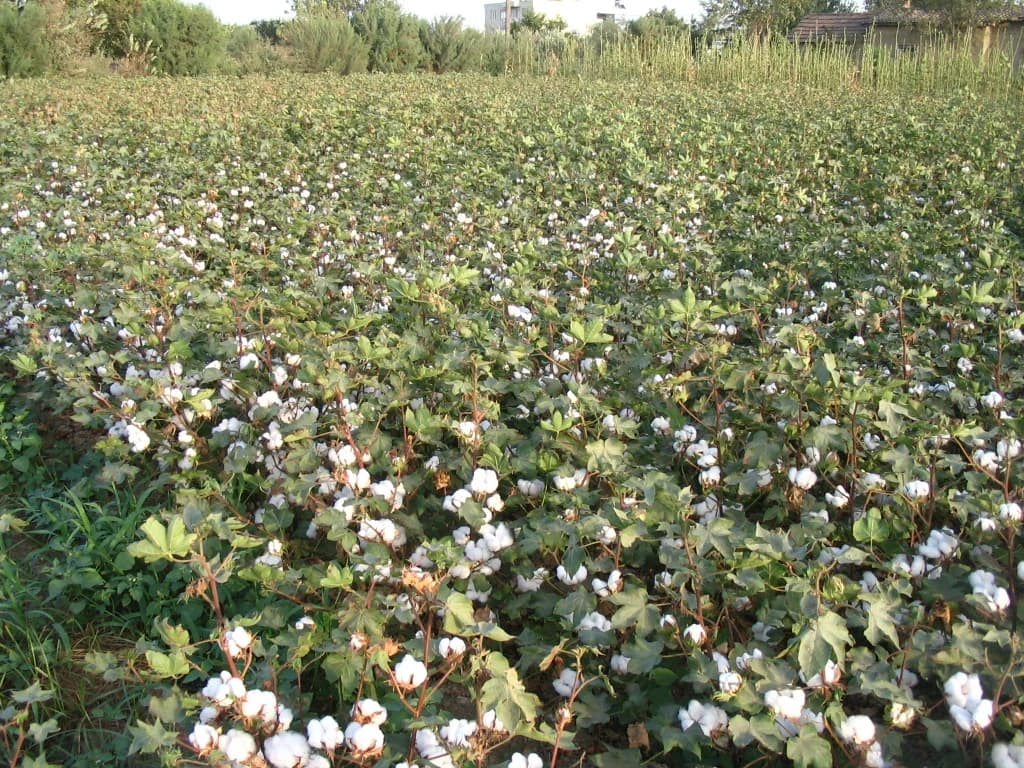
Angola’s farmers could get a fresh source of working capital if the local development agency FADA succeeds in financing coffee and cotton production in Malanje, a move that would matter well beyond the province by easing one of the biggest constraints on output in an economy still heavily dependent on imported food and volatile commodity earnings.
Angola FADA Plans Coffee and Cotton Financing in Malanje
The push is economically important because both crops sit at the intersection of rural employment, export potential and import substitution. Coffee is one of Angola’s best-known agricultural brands and cotton can support a wider textile value chain, but both require upfront financing for seed, inputs, labor and transport long before any sale is made. In a market where small producers often struggle to bridge that gap, a financing channel can determine whether land is planted at scale or left underused.
The story also speaks to a broader policy challenge in Angola: turning natural advantages and arable land into consistent commercial production. Malanje has long been viewed as one of the country’s agricultural heartlands, yet output has often been limited by weak access to credit, thin storage and logistics networks, and dependence on intermediaries. If FADA can direct finance into the crop cycle, it could help formalize production, improve yields and reduce the kind of distress selling that erodes farm incomes.
For investors, the significance lies in what such financing could do to the wider agricultural ecosystem. Better access to capital can lift volumes for traders, processors and transport firms, while also reducing downside risks for producers exposed to weather and price swings. For lenders and development backers, the opportunity is a higher-return rural credit market; the risk is execution, including borrower screening, repayment discipline and whether input financing is matched by reliable procurement and market access.
The move comes as agricultural financing is gaining prominence across Africa, where governments are under pressure to support domestic food and cash-crop production without overextending public budgets. Coffee and cotton are particularly sensitive to that balance: they can generate export revenue and rural employment, but only if financing is paired with buying channels, extension services and pricing mechanisms that keep farmers in the formal economy.
If FADA can move from announcement to deployment, the bigger test will be whether Malanje becomes a model for scalable crop financing or another case of capital arriving without the infrastructure to convert it into sustained production.
| Entity | Gains | Losses |
|---|---|---|
| FADA | ▲greater development impact | ▼higher execution risk |
| Malanje farmers | ▲access to working capital | ▼less room for distress sales |
| Coffee and cotton buyers | ▲steadier supply | ▼stronger competition for crop purchases |
| Informal middlemen | ▲smaller margins | ▼loss of pricing power |