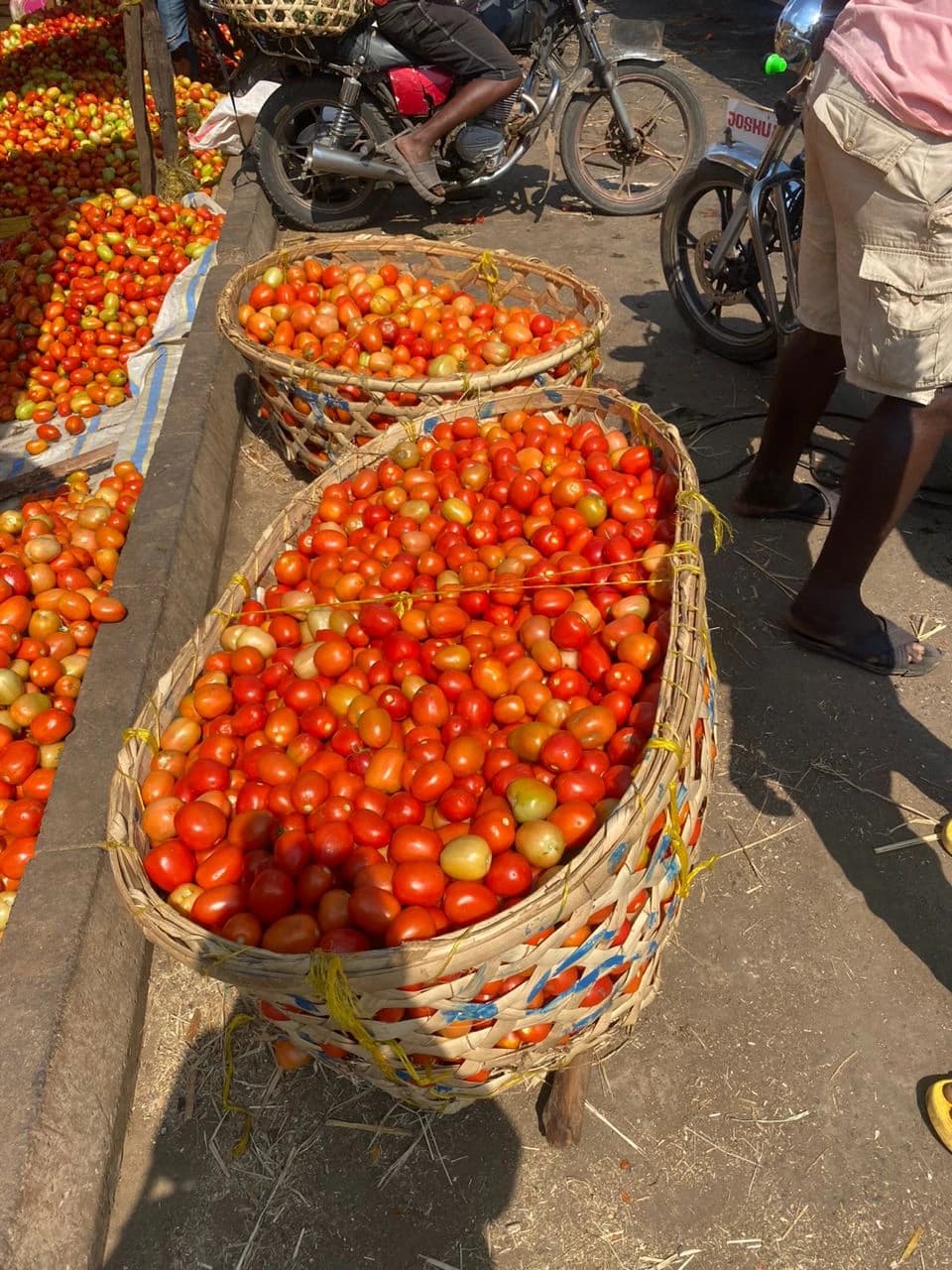
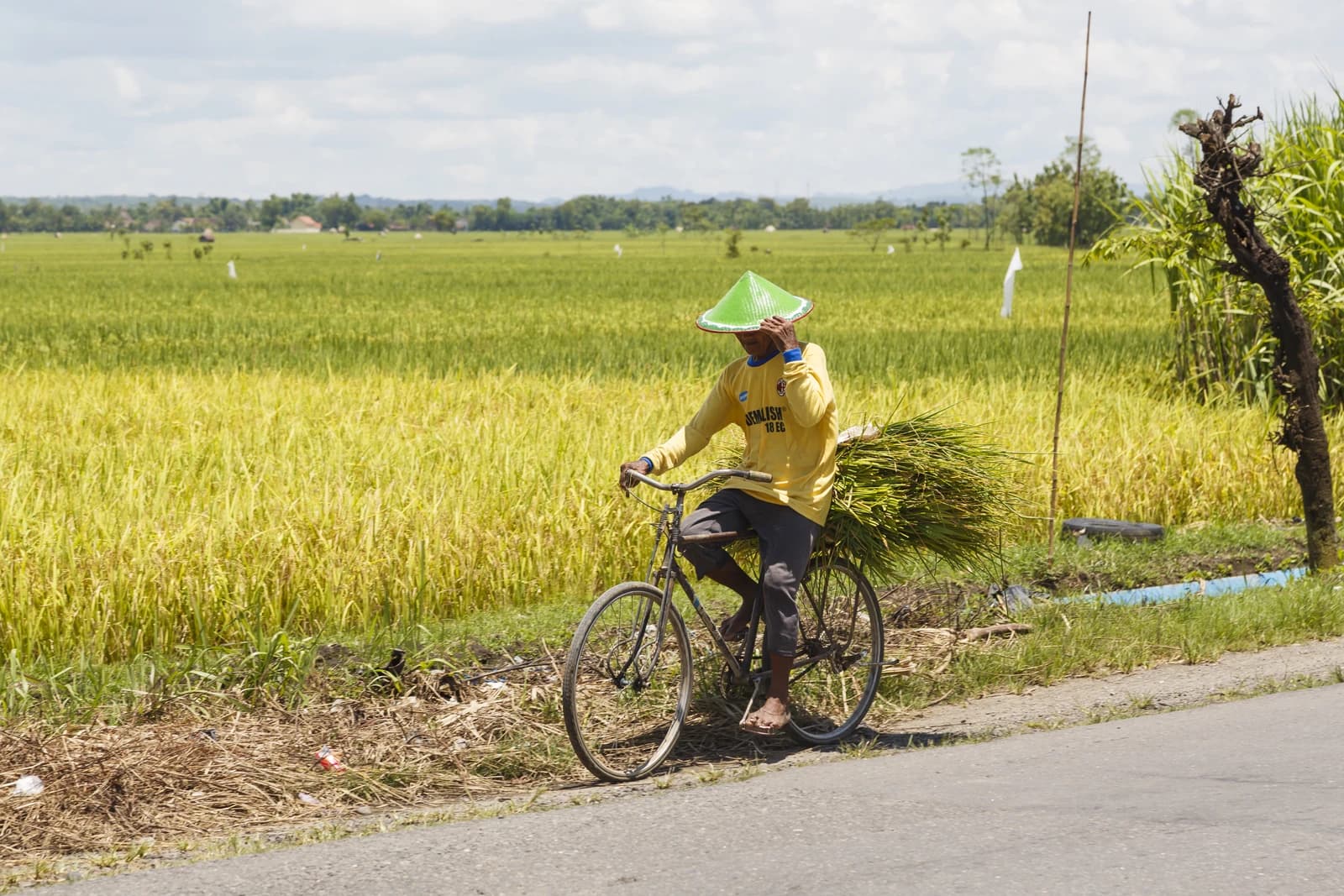
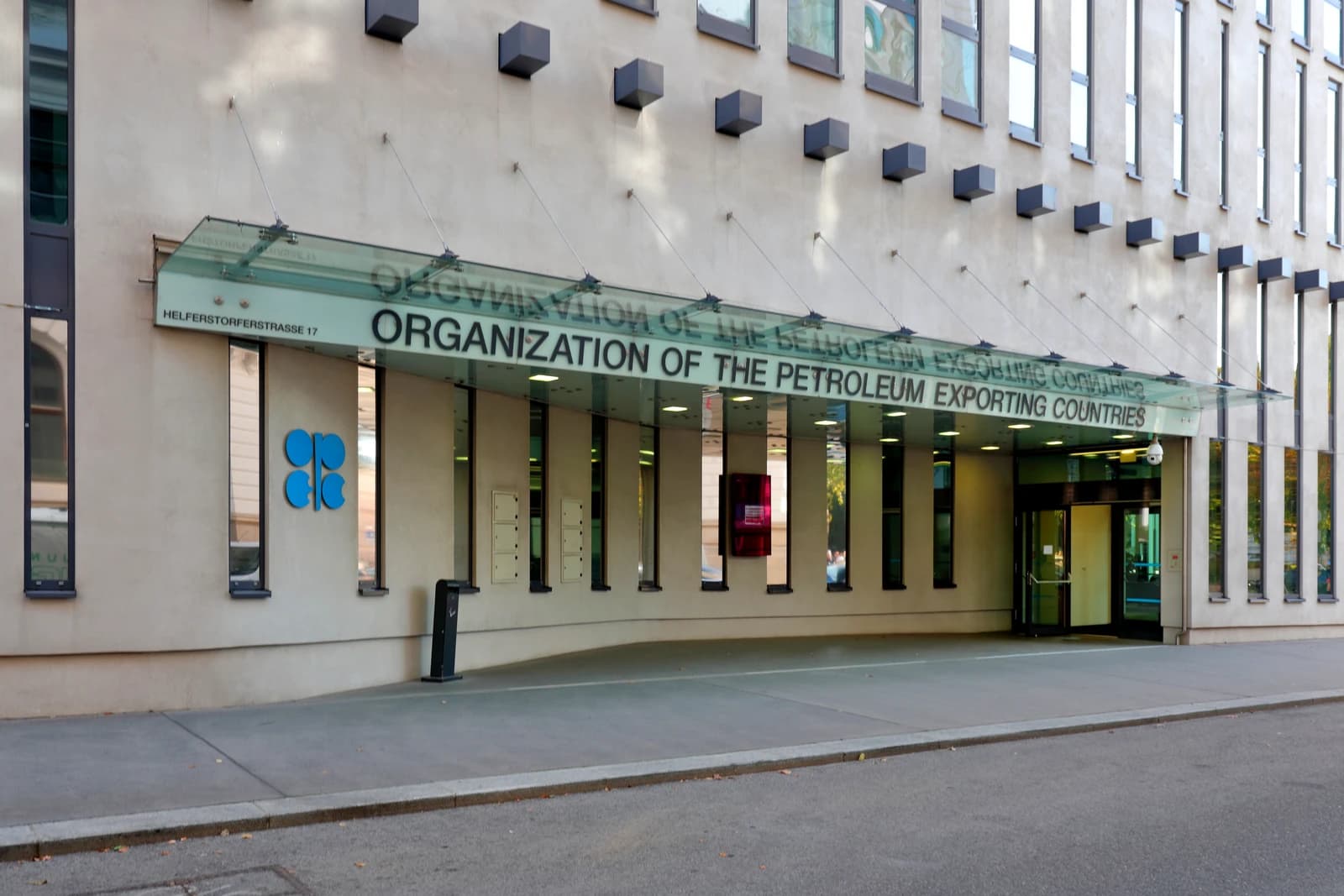
Burundi’s parliament has approved an $11.92 million loan from an OPEC development fund for a nine-year rural agriculture program, a small but economically important financing package for one of Africa’s poorest and most food-insecure countries.
Burundi approves $11.92 million OPEC fund loan
The money will go to Prodefi, a development programme aimed at reducing poverty and improving food security through farm-sector upgrades in 25 communes across seven provinces. For Burundi, where smallholder farmers remain central to output and livelihoods, the loan is less about headline size than about whether it can lift productivity in staple crops and ease pressure on household food supply.
Sentiment Indicators
The financing is structured over 30 years with a five-year grace period, giving the government long-term room to pay back the loan while it tries to build assets that can raise rural incomes. According to Commerce Minister Victoire Ndikumana, about $7.527 million will be used to strengthen productive capital, while $4.395 million will support value addition and the reinforcement of priority supply chains.
The project targets rice, milk, peanuts, maize, cassava and potatoes, and includes marshland and watershed works as well as support infrastructure. In a country where agriculture is the backbone of the economy and climate vulnerability can quickly damage harvests, those investments matter because they can improve irrigation, reduce crop losses and support more reliable local food supplies.
For investors and policy watchers, the significance is broader than Burundi alone. External concessional financing for agriculture can help stabilize imports, reduce pressure on foreign exchange and lower the risk of social dislocation from food shortages. It also underscores how multilateral and OPEC-linked funds are still being used for development lending in low-income economies even as global oil markets remain volatile.
The deal is not market-moving in the way a sovereign bond issue or IMF package would be, but it is a reminder that in fragile economies, relatively modest financing can carry outsized macro impact. If the project is executed well, it could support rural demand, limit food inflation and improve the government’s fiscal and external resilience. If delivery is weak, the debt will add to obligations without changing the underlying production constraints.
| Entity | Gains | Losses |
|---|---|---|
| Burundi government | ▲Rural investment financing | ▼Adds long-term debt |
| Smallholder farmers | ▲Better infrastructure and inputs | ▼Face execution risk |
| OPEC development fund | ▲Development lending influence | ▼Takes repayment risk |
| Food importers | ▲Lower import pressure if output rises | ▼Lose if harvests stay weak |