Uganda’s push to rebuild its cotton industry is turning into a real investment story, and the latest sign is Greek industrialist EMKAT’s exploration of opportunities in the sector. For investors, the bigger issue is not the meeting in Kampala — it is the chance that one of East Africa’s most underprocessed cotton markets could finally start capturing more value onshore instead of shipping raw fiber out of the country.
Uganda Cotton Industry Draws EMKAT Interest
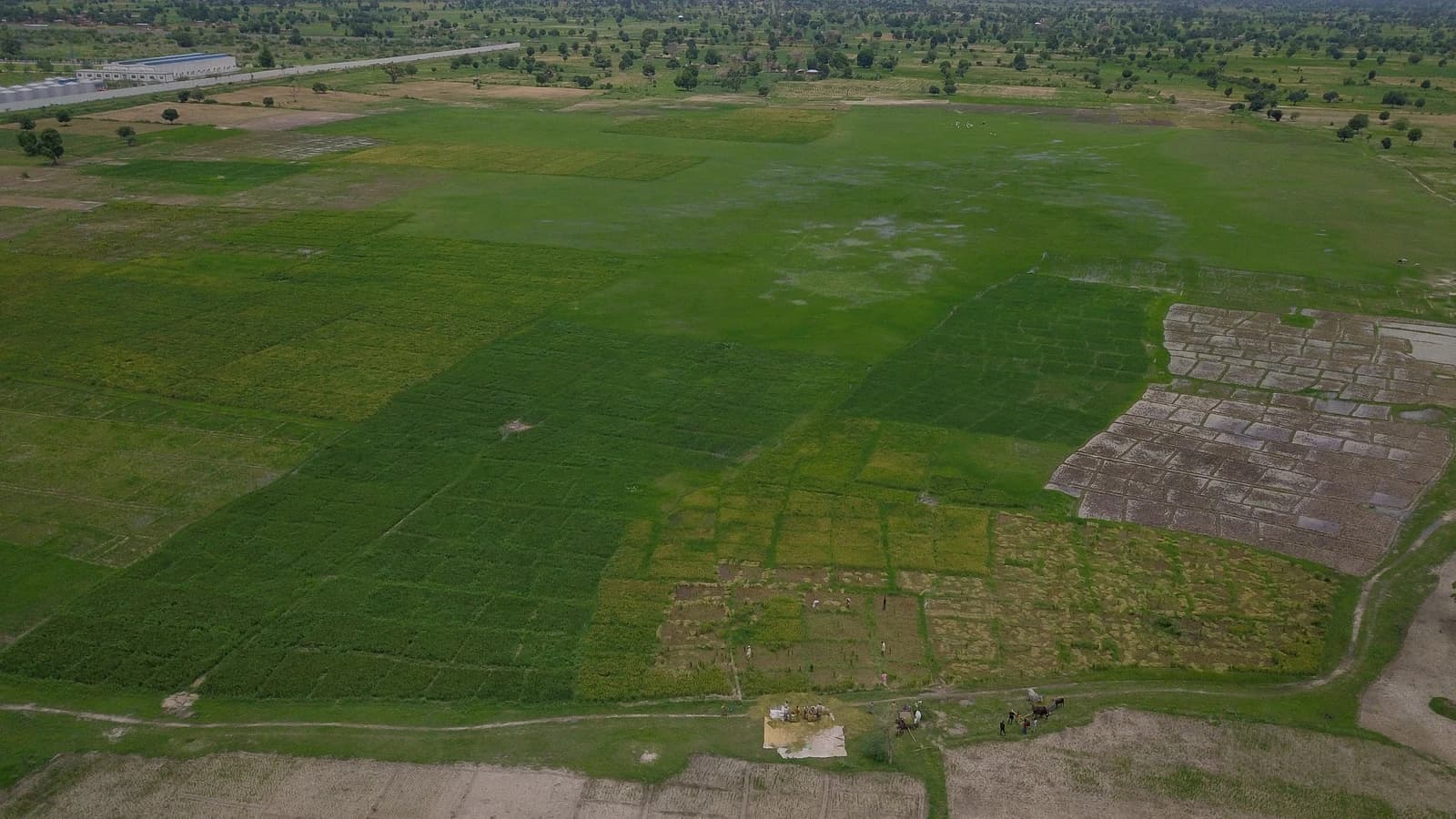
That matters economically because Uganda is trying to reverse a sharp drop in cotton output while building the industrial base needed to keep more of the supply chain at home. Production fell from 115,975 bales in 2022/23 to 64,338 in 2023/24 and 54,883 in 2024/25, a slide that reflects weak seed quality, high input costs and poor farm economics. When farmers can earn more from maize, cassava or sunflower, cotton loses acreage fast. Without higher yields and better returns, the entire textile push remains a paper strategy.
This is why EMKAT’s interest is worth watching. Kampala wants access to high-yield cotton varieties and more local processing, which is exactly where the margins are. Roughly 90% of Uganda’s cotton fiber is still exported without further transformation, according to the finance ministry, leaving the country exposed to low-value commodity sales while importing much of the added value that comes from spinning, weaving and garment manufacturing. If that changes, the winners are not just farmers — they are ginners, spinners, machine suppliers, logistics firms and any investor positioned around industrial infrastructure.
The government is already laying groundwork for that shift. The African Development Bank has approved a $2 million grant to support cotton development in the north, including seed access, extension services and ginning equipment that could reach 300,000 smallholders. Parliament has also pushed to revive Lira Spinning Mill, dormant for about 40 years, with officials saying a modern integrated plant could require about $58 million. Fine Spinners Uganda has gone further, unveiling a $420 million project in Gulu and adding $5 million in textile machinery to its Kampala site.
For investors, the setup is straightforward: Uganda’s cotton market is not yet a finished story, but it is moving from agricultural decline toward industrial re-rating. EMKAT’s interest suggests foreign capital is starting to notice the opportunity in the upstream-to-downstream chain, especially if the state keeps backing seed quality, farmer support and processing capacity. The most attractive exposure is likely in the picks-and-shovels of the value chain — equipment, processing, logistics and industrial services — rather than in raw cotton alone. If Uganda can lift yields and build even modest local transformation, the upside could be asymmetric.
| Entity | Gains | Losses |
|---|---|---|
| EMKAT / foreign investors | ▲Early-mover access | ▼Waiting on policy execution |
| Ugandan cotton farmers | ▲Better seed, higher returns | ▼Low prices and poor inputs |
| Local processors / mills | ▲More feedstock, higher utilization | ▼Raw-fiber exporters |
| Raw cotton exporters | ▲Lower value capture | ▼More domestic processing |