Pepper prices in Vietnam rose across all major producing areas on Nov. 8, with Dak Lak touching 137,000 dong a kilogram, the highest level in the country and a fresh signal that the domestic market for black pepper is firming even as global benchmarks remain largely flat.
Vietnam Pepper Prices Rise Across Major Growing Areas
That matters because pepper is not just a farmgate story: it is a cash-flow lifeline for growers, a margin variable for exporters and a useful read-through on broader agricultural pricing in Vietnam, where food inflation has been sticky even as fuel and power costs have eased. A synchronized 500 dong/kg increase across key regions suggests buyers are having to lift bids to secure supply, and that can quickly feed into export pricing and inventory strategies.
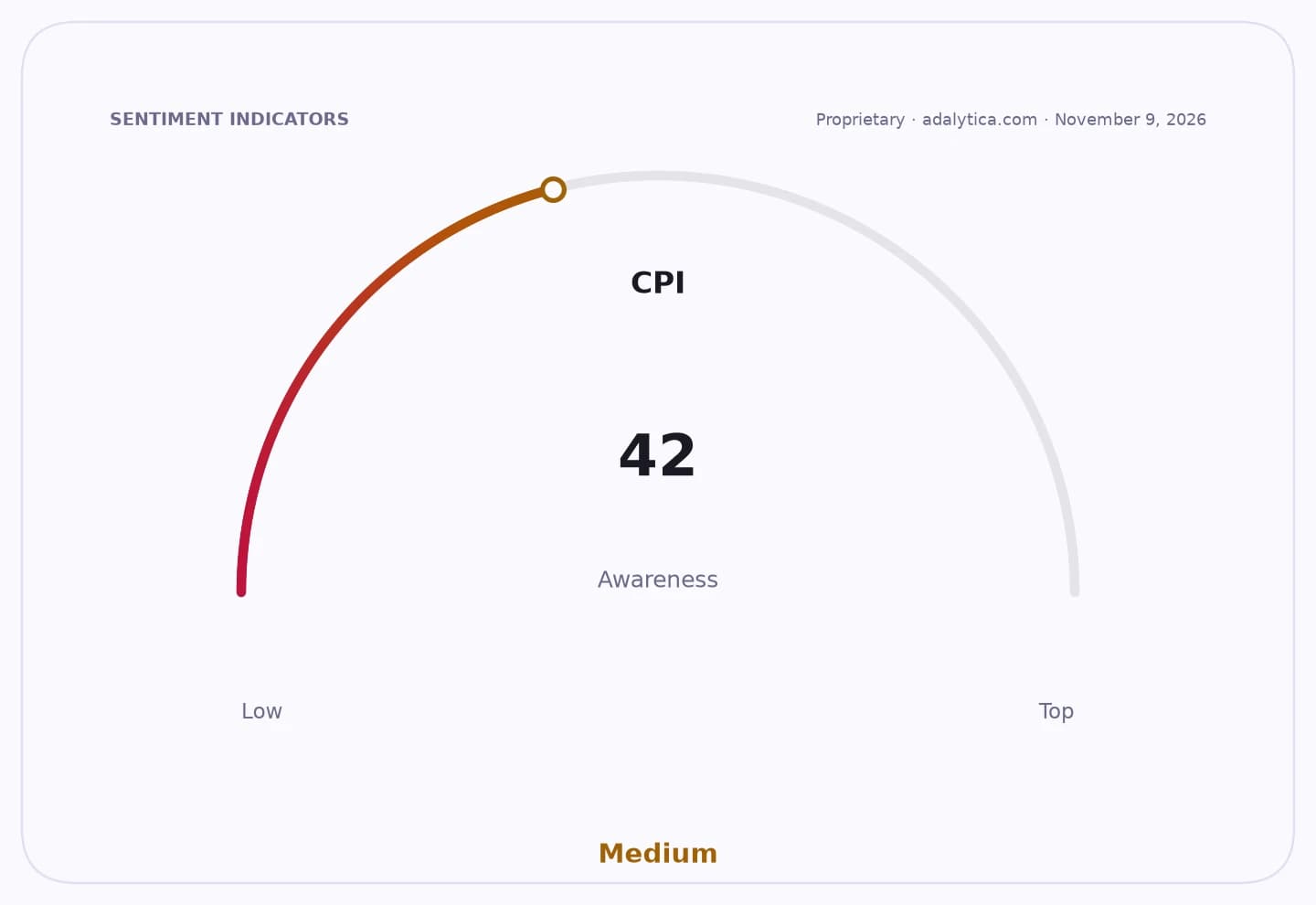
Sentiment Indicators
Dak Lak’s advance from 136,500 dong to 137,000 dong/kg kept it at the top of the market, while Dak Nong rose to 136,000 dong/kg, Ba Ria-Vung Tau to 135,000 dong/kg and Gia Lai and the former Binh Phuoc area to 134,500 dong/kg. The domestic range now sits at 134,500-137,000 dong/kg, a level that reinforces the view that the market is improving after several stable sessions.
The bigger investment takeaway is that Vietnam remains structurally important in the pepper trade, and the market appears to be pricing that in. International pepper prices were mostly unchanged, with Vietnamese black pepper export quotations steady at $5,950 a ton for 500 g/l grade and $5,995 a ton for 550 g/l, while white pepper held at $8,450 a ton. That stability abroad, combined with firmer farmgate prices at home, points to a market where supply is not collapsing, but competition for quality beans is still strong.
Brazil’s latest export data underscore that the trade is active, not complacent. Brazilian pepper exports jumped 44.9% month on month in October to 6,562 tons, but average export prices still fell to about $5,974 a ton, down 2.7% from September and 4.6% from a year earlier. Vietnam was Brazil’s second-largest destination at 782 tons, up 132% from the previous month, showing that traders are moving volume aggressively across origins to manage pricing and supply.
For investors, that is the key nuance: pepper is not a headline commodity like oil or wheat, but it is a high-beta agricultural market where local cash prices, export flows and destination demand can shift quickly. If Vietnamese exporters continue to secure higher domestic supply at firmer prices while global quotations remain competitive, the winners are likely to be the better-capitalized traders and exporters with storage, sourcing and logistics advantages. The losers are short-term sellers waiting for a pullback that may not come if export demand holds.
Our thesis is simple: pepper is setting up as a quiet beneficiary of the broader re-pricing in agricultural inputs. If you believe food inflation will stay uneven and supply chains will keep favoring origin flexibility, this is a market to watch closely. The next catalyst will be whether export buying from major importers keeps absorbing supply, which would make today’s move less a one-day bounce and more the start of a higher trading range.
| Entity | Gains | Losses |
|---|---|---|
| Vietnamese pepper growers | ▲Higher farmgate prices | ▼Later-season sellers waiting for dips |
| Exporters with inventories | ▲Better margins on sourced supply | ▼Spot buyers exposed to rising bids |
| Brazilian exporters | ▲Stronger volume into Asia | ▼Pricing power if discounts widen |
| Importers and food buyers | ▲Stable global benchmark prices | ▼Those needing immediate physical supply |