Thailand is betting that artificial intelligence can do what price charts and seasonal guesswork often fail to deliver for farmers: tell them what to plant, when to sell and how much they are likely to earn before the crop is even in the ground.
Thailand launches AI crop forecasting platform
That matters because agriculture margins are won or lost long before harvest. Farmers pay for seed, fertilizer, water and labor upfront, then absorb the risk of volatile selling prices months later. A system that links field-level data to buyer demand and market timing could reduce post-harvest gluts, improve bargaining power for growers and give the state earlier warning to stabilize prices in key staples.
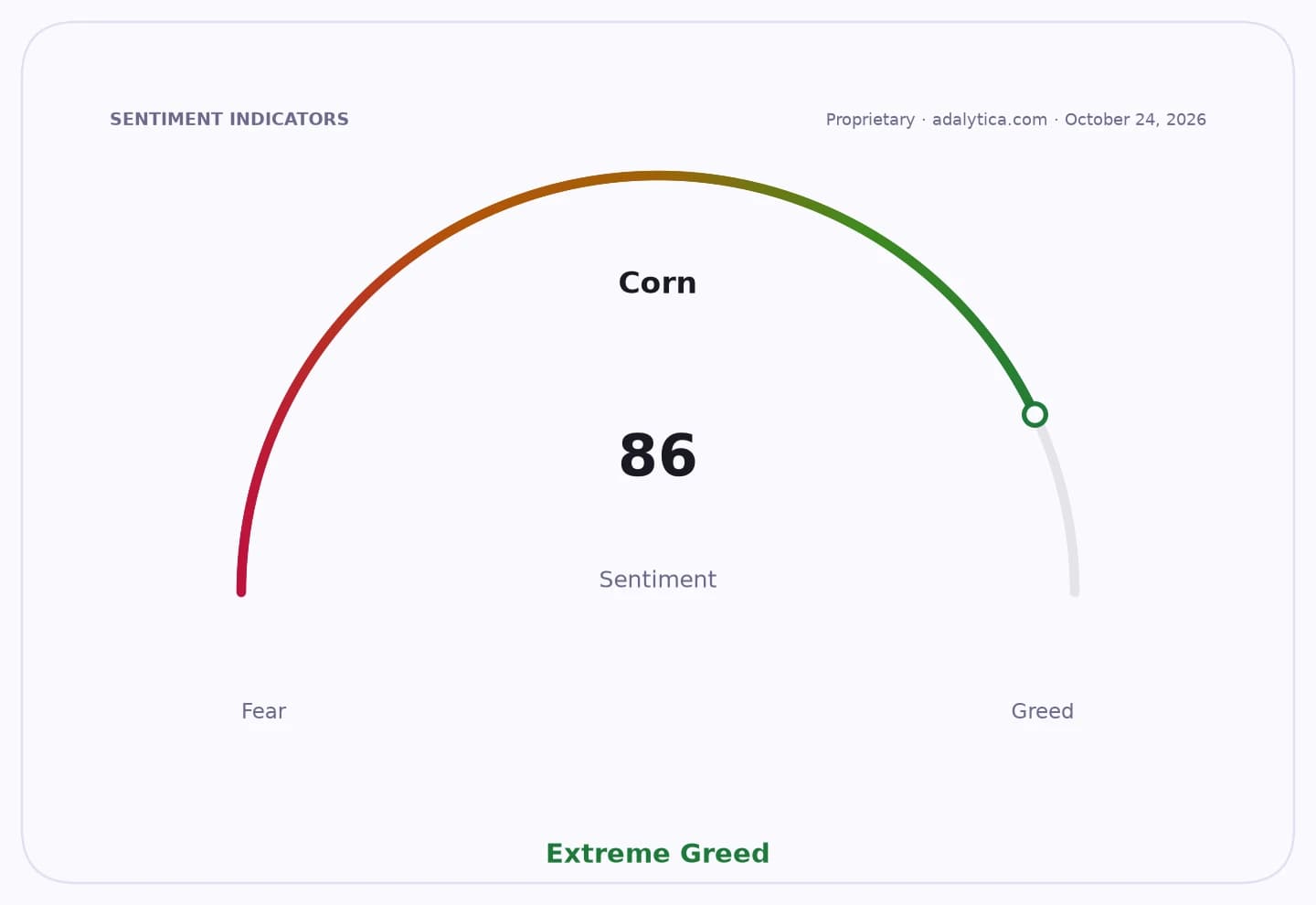
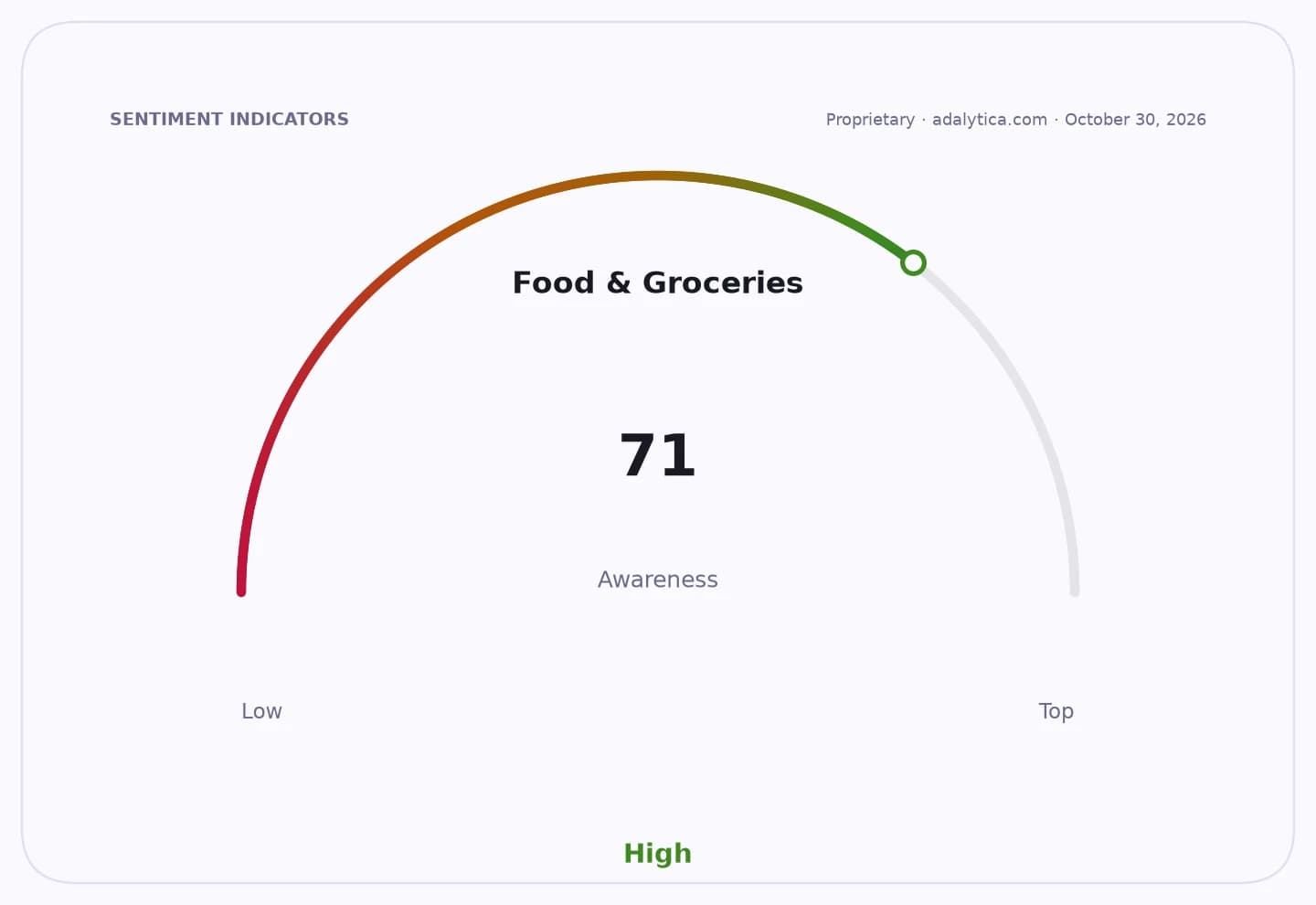
Sentiment Indicators
The policy push comes through Thailand’s newly launched “Khlai Kep Kiio” platform, introduced Sept. 30, 2026, as a big-data effort spanning four ministries: commerce, agriculture, higher education and digital economy. The pilot starts with wet-season rice, the country’s first target crop. Officials say the system combines planting-area data, market prices, satellite imagery and AI models to estimate output before it reaches the market, allowing authorities to prepare price-support measures in advance rather than after the damage is done.
The economic logic is straightforward. In agriculture, information asymmetry is costly: farmers often know their production costs far better than the market they will eventually sell into. Better forecasts can shift the industry from reactive selling to forward contracting, especially if cooperatives use the data to negotiate with millers and other buyers before the harvest peak. If the system works, it could smooth local supply swings, support farm incomes and lower the risk of disruptive price interventions later in the season.
The initiative also reflects a broader global move to apply AI in farming beyond simple automation. The World Bank has described the use of AI in agriculture as spanning crop monitoring, disease detection, price forecasting and market management. Thailand’s pitch is not just that the technology can calculate yields, but that it can connect weather data, satellite images and historical prices to turn forecasts into saleable plans.
India offers a useful comparison. Its MahaVISTAAR platform gives farmers voice access to plant disease, market prices and weather in local dialects, while an AI model this year was able to forecast the start of the monsoon four weeks ahead for more than 38 million farmers. Those examples matter because they show the competitive edge is no longer the data alone, but whether governments can make it usable at the farm gate.
For investors, the story is less about one software system than about the direction of agricultural modernization in Southeast Asia. If Thailand succeeds, the payoff could run through food-price stability, stronger cooperative marketing and eventually wider adoption of precision-farming tools. That would be constructive for farm productivity, and potentially for suppliers of agricultural technology, logistics and input services that benefit from a more data-driven crop cycle.
There are still obvious risks. Forecasts are only as good as the data farmers submit, and the system will have to prove it can accurately capture fragmented smallholder production, weather shocks and crop-specific market dynamics. But if Thailand can make “know the market before planting” more than a slogan, it could change the economics of farm income from a post-harvest gamble into a planned commercial decision.
| Entity | Gains | Losses |
|---|---|---|
| Thai farmers | ▲Better pricing visibility | ▼Less exposure to harvest gluts |
| Thai government | ▲Earlier price management | ▼Lower room for ad hoc intervention |
| Cooperatives and millers | ▲Better forward planning | ▼Less leverage from farmer uncertainty |
| Input and ag-tech providers | ▲More digital adoption | ▼Traditional blind-selling model |