A University of Southern Illinois team has built a robot-and-AI system that can detect soybean disease before plants show visible symptoms, a development that could materially reduce crop losses in a market where a late diagnosis can slash yields by 60% to 70%.
Soybean disease AI detects infections before symptoms
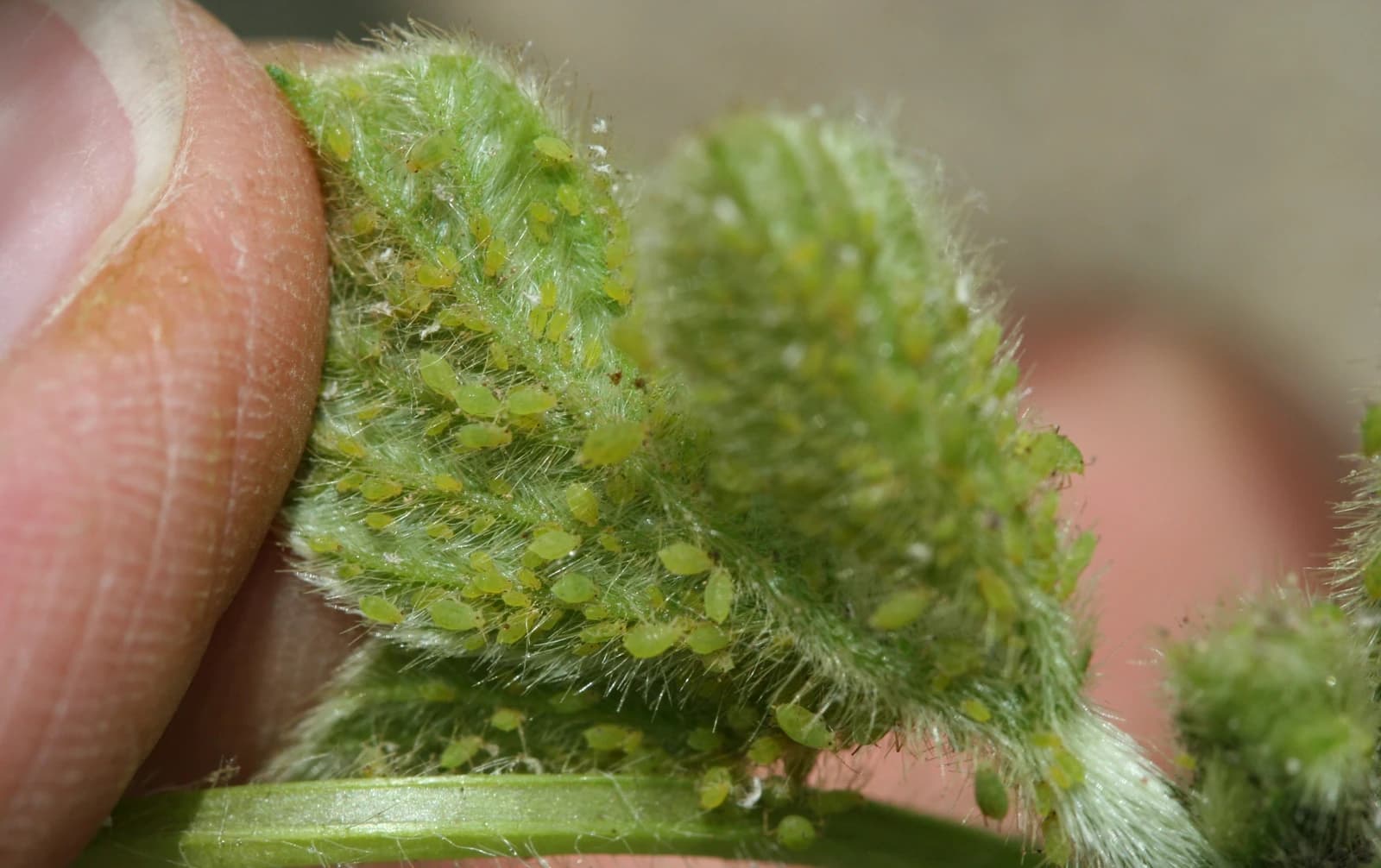
That matters because soybean disease is not just an agronomy problem — it is a margin problem for farmers, a supply problem for crushers and exporters, and a pricing problem for the entire oilseed complex. When infections are caught early, growers can spray sooner, isolate outbreaks and protect output before damage becomes irreversible. In a crop with thin economics and large acreage, even a modest reduction in yield losses can translate into meaningful gains in farm income and tighter commodity supply.
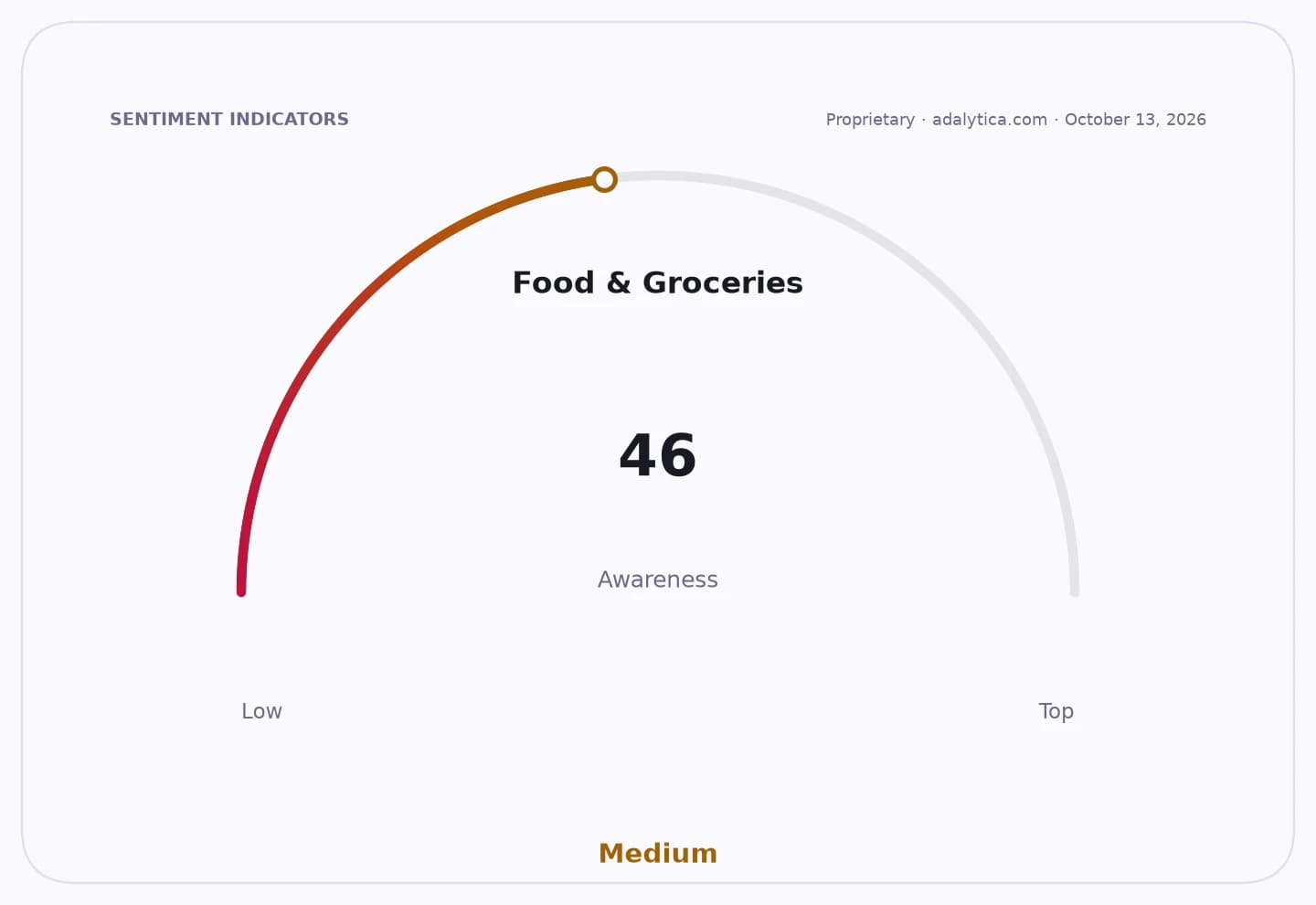
Sentiment Indicators
The investment case is straightforward: the market still tends to treat precision-agriculture tools as incremental, but the economic upside is exponential when they prevent catastrophic losses rather than merely optimize input use. Soybeans trade as a global staple, and the ETFs tracking the space show how quickly sentiment can turn when supply risks emerge. SOYB has recently traded above its 50-day and 200-day moving averages even as RSI readings rolled over sharply in the latest sessions, while CORN and WEAT have also seen violent price swings tied to crop uncertainty. That tells you investors are already paying up for any factor that can stabilize yields and reduce weather- or disease-driven volatility.
The broader setup favors the picks-and-shovels of agricultural resilience: crop-science companies, precision-sensing firms, ag robotics, and software that helps farmers make faster field decisions. If SIU’s system can be commercialized, the real winners are likely to be the vendors that layer AI, imaging and autonomous scouting onto existing farm machinery and agronomy workflows. The losers are the disease itself, but also growers who stay reliant on manual inspection, which is slow, expensive and often too late.
This is why the story goes beyond one university prototype. It fits a much larger theme: food production is becoming a data problem, and the companies that can detect risk earlier will own more of the value chain. With soybean prices still sensitive to supply shocks and global demand intact, I believe early-stage detection technology is one of the most underappreciated ways to defend and expand farm economics over the next cycle. Investors should watch for commercialization partnerships, licensing deals and agtech suppliers positioned to turn this kind of AI into a recurring-revenue platform.
| Entity | Gains | Losses |
|---|---|---|
| Farmers | ▲Lower yield losses | ▼Late disease detection |
| Agtech / AI vendors | ▲New commercialization deals | ▼Manual scouting model |
| Soybean processors | ▲More stable supply | ▼Crop-damage volatility |
| Soybean disease | ▲Suppressed spread | ▼Field-level intervention |