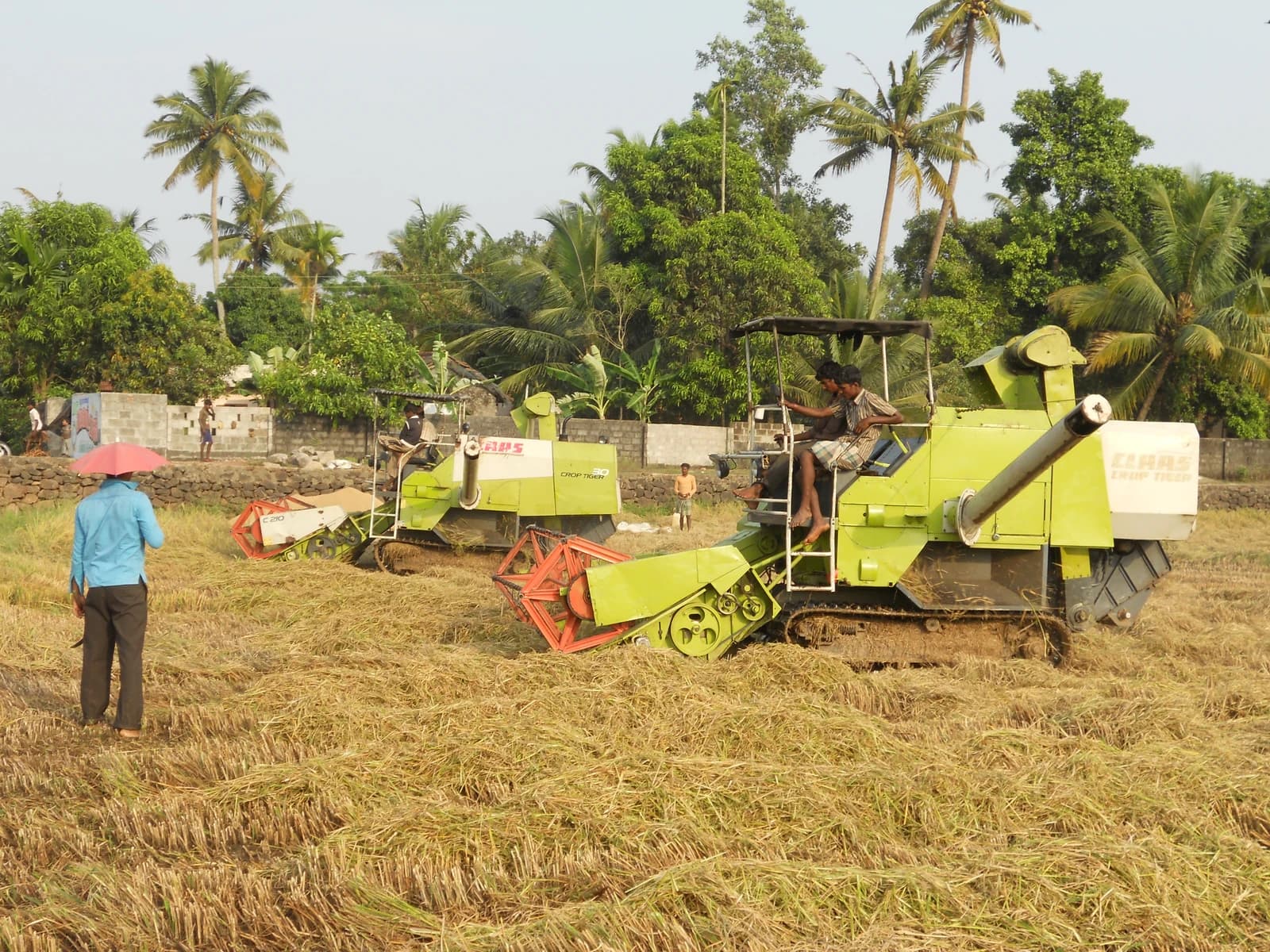
Maharashtra has escalated pressure on seed companies to compensate soybean growers whose crop losses have been formally verified, a move that could shift part of this year’s drought and re-sowing burden from farmers to private suppliers and state-run Mahabeej.
Maharashtra orders seed firms to pay soybean farmers
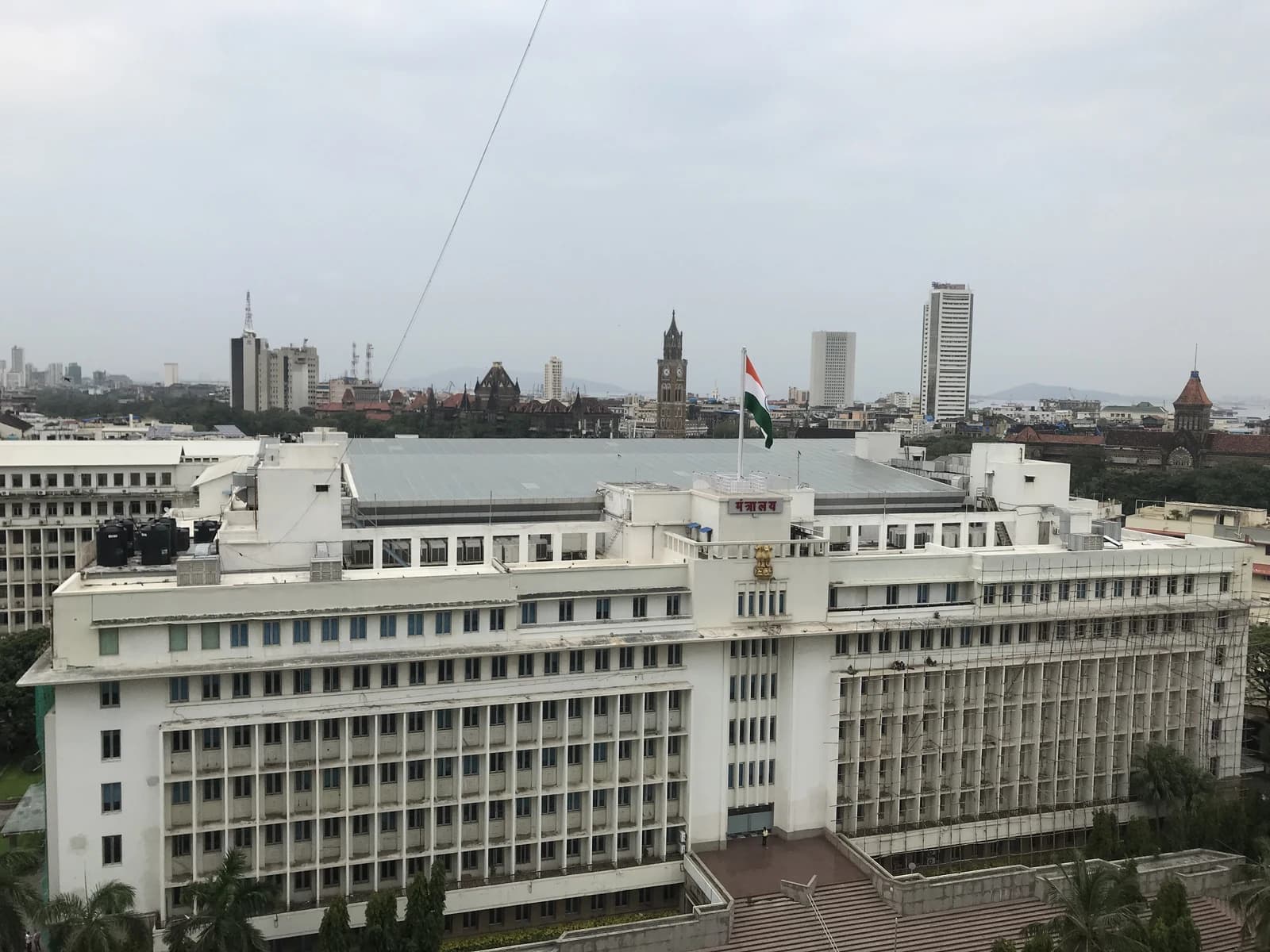
The directive matters because it links seed-quality disputes to immediate financial relief in one of India’s largest soybean belts, where more than 22,000 farmers have complained of poor germination and some growers report near-total failure after deficient rainfall. For already strained households, the issue is not just compensation but liquidity: verified payments could help fund rabi planting and prevent deeper income losses in a year of weak yields.
The state agriculture department said firms must compensate farmers with genuine panchanamas, or crop-loss verification reports, within 15 days or face legal action. Around 1,000 complaints were filed against Mahabeej alone, underscoring how broadly the issue has spread across Vidarbha and Marathwada, the state’s core soybean regions. The department has also suspended the licence of one seed company accused of repackaging last year’s stock under a new brand without mandatory testing.
Soybean acreage in Maharashtra crossed 50 lakh hectares this kharif season after last year’s strong prices encouraged planting, but rainfall shortfalls have left many fields damaged and forced some farmers to resow. That raises the economic stakes beyond a single season: when seed quality failures coincide with drought, losses are amplified through higher input costs, lower output and weaker rural cash flow, with knock-on effects for farm credit, local consumption and next season’s sowing decisions.
For seed companies, the directive increases reputational and legal risk at a time when scrutiny of input quality is intensifying. Firms have questioned the authenticity of some panchanamas, suggesting disputes over liability may not be straightforward. But the state’s insistence that drought-related damage and seed defects be treated separately puts the burden on companies to distinguish genuine quality failures from weather-driven losses.
For investors and agribusiness stakeholders, the story is a reminder that seed demand does not translate automatically into pricing power if quality control breaks down. The near-term risk is margin pressure from compensation claims and possible enforcement action; the longer-term opportunity is greater demand for certified seed, tighter testing standards and traceability. The speed of claim settlement will determine whether the state’s warning has practical force or becomes another unresolved farmer grievance.
| Entity | Gains | Losses |
|---|---|---|
| Verified soybean farmers | ▲Compensation for confirmed losses | ▼Delayed relief if claims stall |
| Seed firms and Mahabeej | ▲Clearer liability framework if claims are disputed | ▼Compensation costs and legal risk |
| Maharashtra agriculture department | ▲Credibility on farmer protection | ▼Pressure if enforcement lags |
| Certified seed suppliers | ▲Better demand for tested stock | ▼Scrutiny over quality failures |