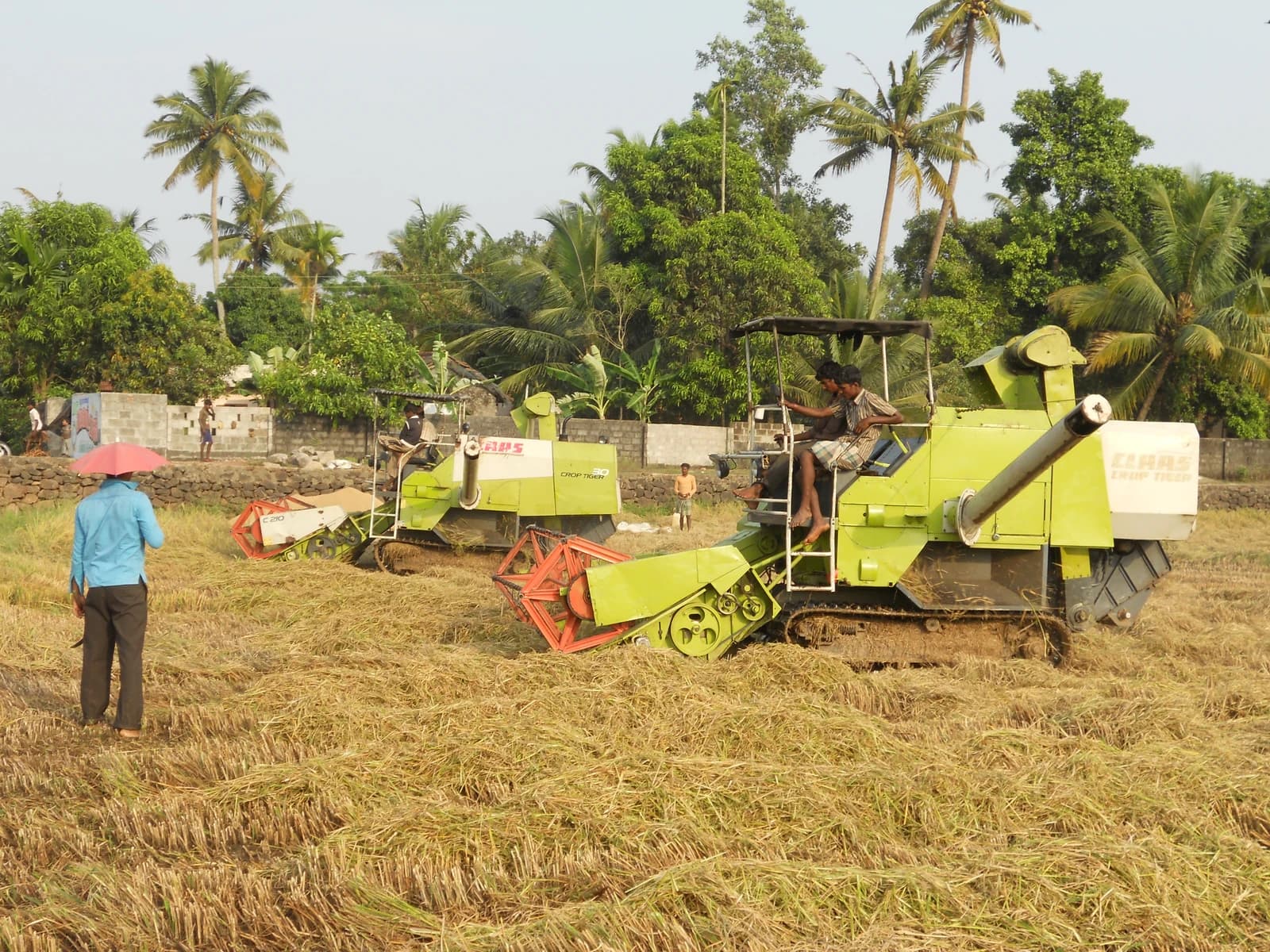
Parbhani’s administration has moved to restrict industrial use of soybean and tur stalks as drought conditions tighten the squeeze on livestock feed across Marathwada, a defensive step that could protect cattle owners but disrupt biomass processors and traders that rely on crop residue.
Parbhani Restricts Soybean, Tur Stalks for Fodder
The decision matters because fodder is no longer just a rural byproduct in a year like this — it is a critical input for farm economics, milk production and livestock survival. When rivers run dry and crops fail, stalks that would normally be diverted into briquettes and pellets become a strategic reserve. By prioritizing animal feed over industrial consumption, the district is effectively rationing a scarce commodity before prices and shortages spiral further.
That is the right call economically, even if it creates friction for local biomass users. Industrial buyers of soybean and tur residue have been an important outlet for crop waste, but in a drought they compete directly with farmers and herders who need every available bale. A sharp reduction in supply to the biomass chain can lift replacement costs for briquette and pellet makers, while improving the odds that livestock owners avoid forced distress sales or higher feed bills.
For investors, the story is less about one district order than the wider drought trade: water stress is becoming a recurring constraint on India’s rural economy, and the market underestimates how quickly local supply chains can be reprioritized when feed security is at stake. That creates a tailwind for businesses tied to fodder storage, transport, animal nutrition and water infrastructure, while exposing biomass operators that depend on cheap agricultural residue.
The wider implication is straightforward: in a season of climate stress, the first claim on crop residue is not energy generation — it is survival. If dry conditions persist, more districts could follow Parbhani’s lead, reinforcing our view that the best positioned names are the picks-and-shovels of rural resilience, not the end users of scarce stalks.
| Entity | Gains | Losses |
|---|---|---|
| Livestock owners | ▲Better fodder access | ▼Less industrial competition |
| Parbhani administration | ▲Crisis control | ▼Enforcement burden |
| Biomass briquette makers | ▲— | ▼Tighter raw material supply |
| Farmers with residue | ▲Potentially steadier local demand | ▼Lower industrial outlet volume |