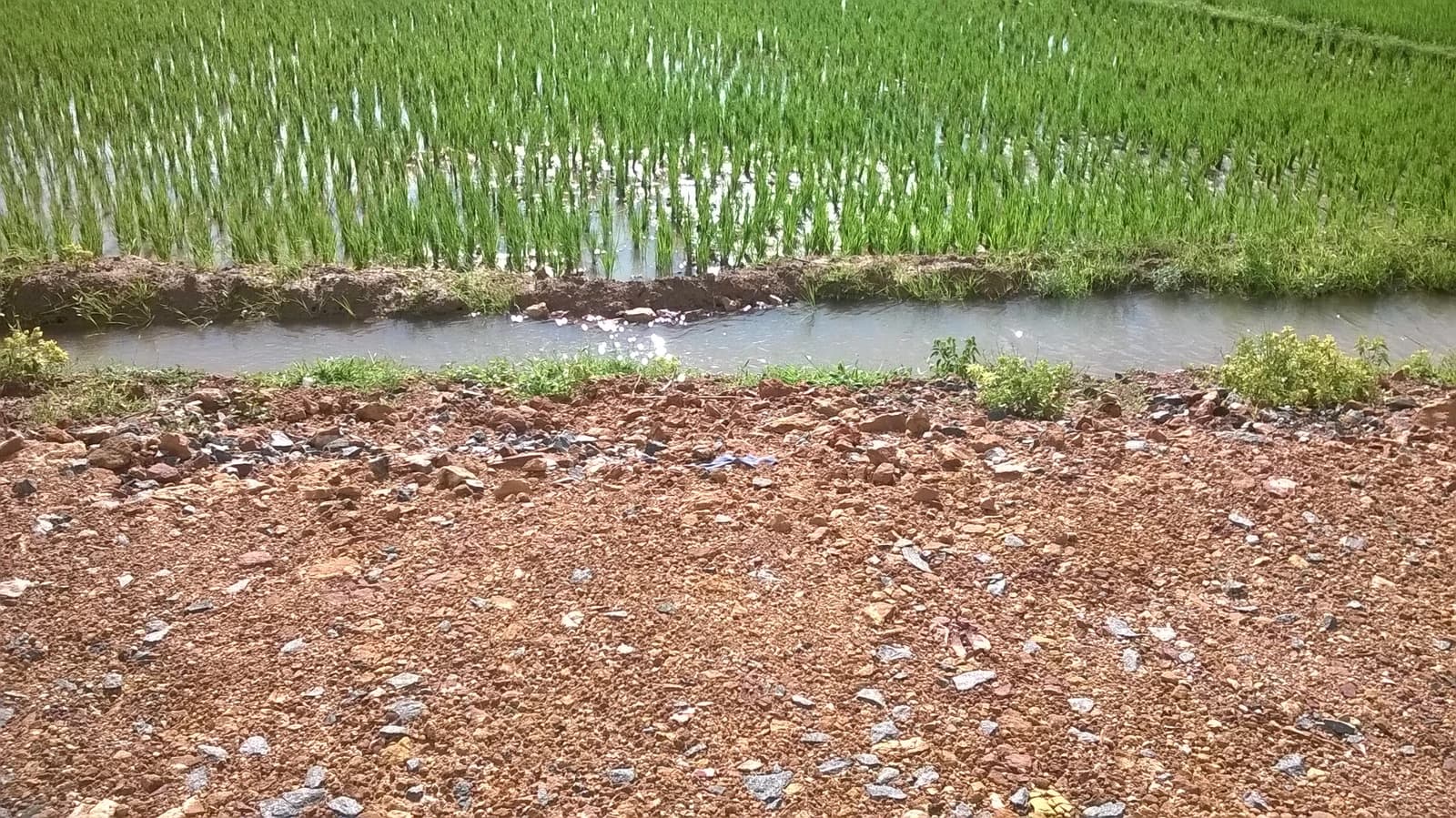
Rains in Peru’s Piura region have damaged mature rice fields in Las Lomas, threatening local harvests at the point where farmers were closest to cashing in on the crop.
Peru Piura rains damage rice fields in Las Lomas
The immediate economic impact is already clear: one farmer in Chipillico, Javier More Villegas, said four hectares of rice were severely affected, with losses estimated at about 10,000 soles per hectare, or 40,000 soles in total. For small and midsize growers, that is not just a weather event but a balance-sheet shock, stripping away income from a crop that was ready to be harvested and sold.
The damage matters because rice is a staple crop in the Piura valley and a key source of farm income across Chipillico and nearby San Lorenzo. Fields are waterlogged, the grain has fallen to the ground and machinery cannot enter the plots to collect what remains. That raises the odds of a larger write-off if the rain continues and the grain deteriorates further before it can be dried and recovered.
Farmers are particularly exposed because many finance planting campaigns with loans. A total or partial crop loss can quickly turn into a debt problem, with growers facing lower income just as repayment obligations come due. For the local economy, that means reduced purchasing power in rural communities, pressure on household finances and weaker short-term supply from one of northern Peru’s more important agricultural belts.
The risk is not confined to the damage already done. Peru’s national weather service, Senamhi, has forecast moderate to heavy rains along Piura’s north coast and highlands from Friday through Sunday, extending the period of stress for crops that are already saturated. That keeps the market focus on how much more of the standing harvest could be lost, and whether post-rain drying conditions are good enough to salvage any of it.
For investors, the episode is a reminder that agricultural supply remains vulnerable to weather volatility even outside the major export markets. In a broader food-inflation context, repeated weather shocks can tighten local supply, lift farmgate volatility and raise the cost of moving grain through the chain. Agricultural funds and broader commodity benchmarks are not directly tied to a single Peruvian district, but any fresh sign of crop losses in a staple crop reinforces the case for a weather premium across soft commodities.
| Entity | Gains | Losses |
|---|---|---|
| Rice buyers | ▲Potentially lower spot supply later | ▼Farmers facing crop losses |
| Piura farmers | ▲Limited salvage if drying works | ▼Revenue and loan repayment capacity |
| Local grain traders | ▲Possible volatility-driven margins | ▼Larger crop shortfalls |
| Food consumers | ▲None immediately | ▼Risk of tighter rice availability |