South Korea is opening its only international seed expo as it tries to turn plant genetics into a bigger export business and reduce dependence on imported varieties.
South Korea Opens Seed Expo to Grow K-Seed Exports
The event matters because seeds sit at the start of the food chain: whoever controls breeding, licensing and distribution can capture recurring revenue across agriculture, horticulture and food processing. For Korea, a country better known for semiconductors and consumer brands, the push into “K-seeds” is a bid to create a high-value, IP-driven niche in farm inputs rather than compete only on bulk crop production.
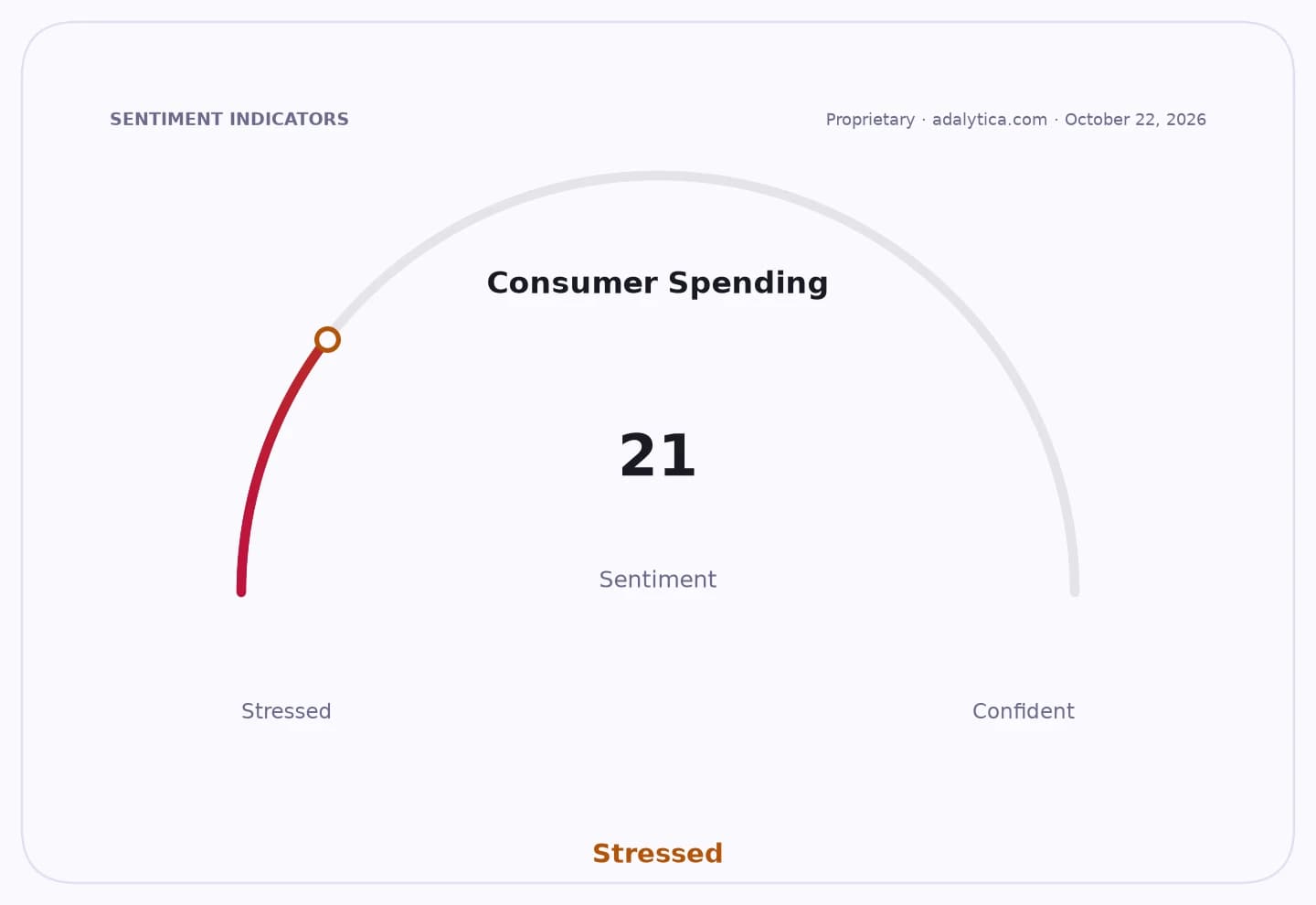
Sentiment Indicators
The expo brings that strategy into focus by linking local breeders, farm technology firms and overseas buyers under one roof. In an industry where new varieties can take years to develop and commercialization often depends on cross-border partnerships, a dedicated international platform is less a trade fair than an effort to build an export ecosystem. That is important for smaller breeders and public institutes looking for licensing deals, and for buyers seeking climate-resilient varieties as weather patterns become less predictable.
Economically, the appeal is straightforward. Seed sales are typically less cyclical than commodity crops and can produce higher margins if companies own proprietary traits or branded lines. For Korea, an international expo could help scale domestic breeding programs into a larger addressable market, support rural innovation and strengthen the country’s agrifood trade balance. If successful, it also gives policymakers a tool to promote agricultural technology as an export category alongside machinery, greenhouse systems and food products.
The investor angle is similar: the story is not about one-off exhibition traffic but about whether Korea can build durable pricing power in agricultural intellectual property. That favors breeders, seed distributors and agri-input suppliers that can convert research into licensable products. The risk is execution. The seed business is fragmented, regulation is country-specific and overseas market entry often requires local partners, trials and years of trust-building before revenue follows.
For investors watching the broader agribusiness space, the expo is a signal that Korea is trying to move up the value chain in agriculture, using international access and branding to make seeds a tradable asset class rather than a domestic farm input.
| Entity | Gains | Losses |
|---|---|---|
| Korean seed breeders | ▲Export reach | ▼Reliance on domestic market |
| Overseas buyers | ▲Access to new varieties | ▼Less bargaining power |
| Korean policymakers | ▲Agri-tech credibility | ▼Quick policy wins |
| Global seed incumbents | ▲Partnership pipeline | ▼Extra competition |