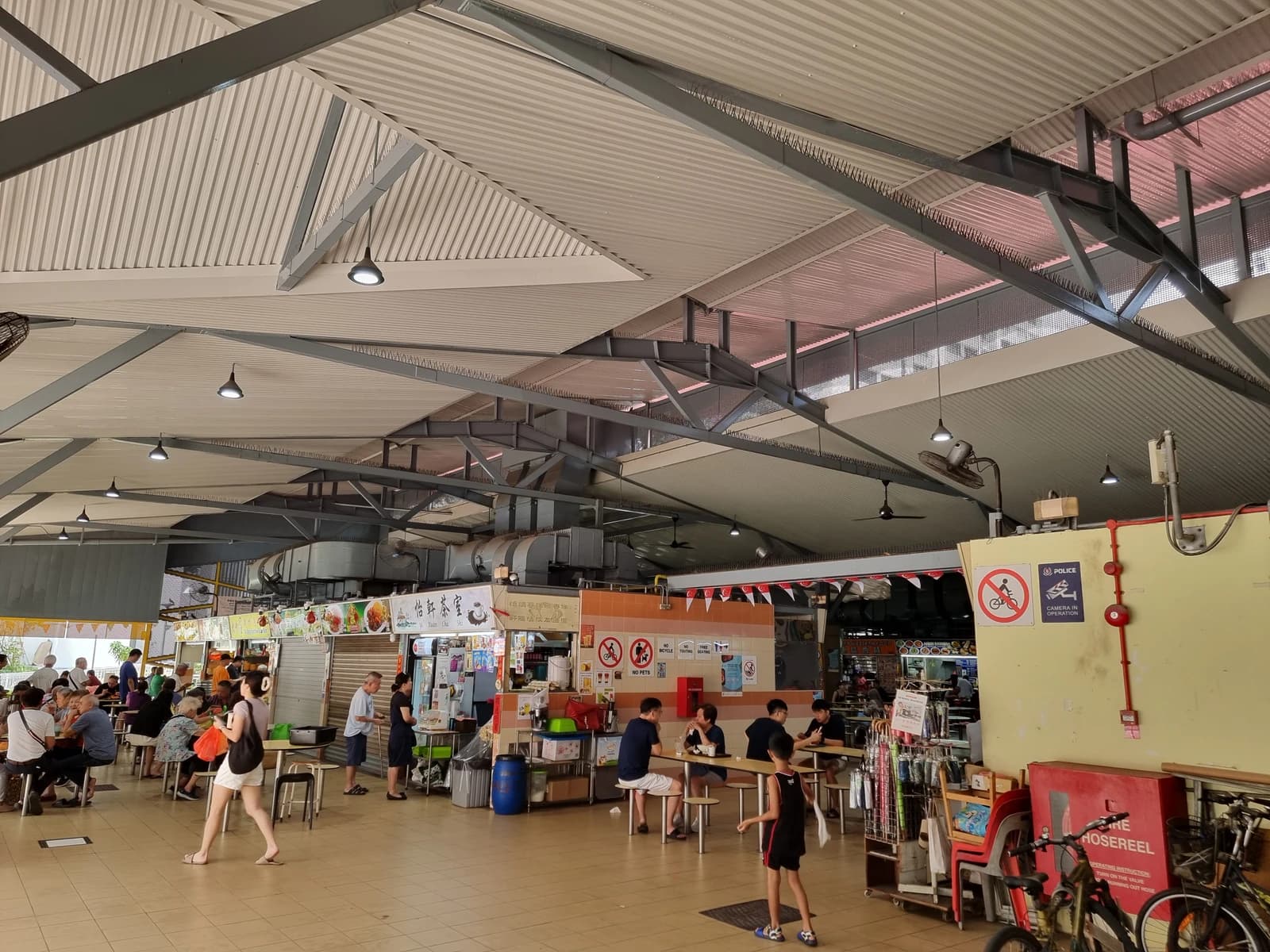
South Korea is turning a lottery into a consumer stimulus tool, offering prizes as large as 30 million won to coax households back into traditional markets and small shops at a time when spending still looks fragile.
South Korea launches 30 million won consumption lottery
Consumer Spending
The program, called “Win-Win Consumption Lottery,” is more than a quirky giveaway. It is a policy attempt to push money into local merchants without writing direct cash checks, and that matters because small-business demand is a key weak spot in any slowdown. When governments worry about domestic consumption, they often reach for tax cuts or transfers. Seoul is using a prize draw instead, tying the chance of winning to digital payments at merchants that accept the government’s Onnuri gift certificates.
Sentiment Indicators
The economics are straightforward. The Ministry of SMEs and Startups said the one-month event runs from Oct. 15 to Nov. 15 and carries a total budget of 1.7 billion won, with 5,600 winners. Ten first-prize winners will receive 30 million won each, 40 second-prize winners 2 million won, 850 third-prize winners 1 million won and 4,700 fourth-prize winners 100,000 won. For a government trying to support local commerce, the structure matters as much as the headline number: purchases made in regional areas earn more entries, and the top prize is reserved for spending outside the capital region.
That regional tilt is the real policy message. Seoul is not just trying to lift overall consumption; it is trying to redirect it toward neighborhood stores and traditional markets, where weak traffic can quickly hurt revenue and employment. The program also changes how people pay. Last year’s version was based on credit card spending. This year, it is tied to offline payments through the digital Onnuri system, a shift designed to keep more money circulating through local merchant networks rather than larger retail chains.
For investors, the short-term implications are modest, but the signal is useful. Consumer spending sentiment remains subdued, and any policy that nudges households to spend rather than save can support the broader retail ecosystem. The event also comes with a built-in sweetener: during the Korea Grand Festival from Oct. 29 to Nov. 15, the Onnuri discount rises from 7% to 10%, which could encourage more foot traffic and near-term sales for participating merchants.
That does not make this a game-changing macro fix. A 1.7 billion won prize pool is small compared with the size of the economy. But it does show a government leaning harder on targeted, behavior-based incentives to prop up domestic demand. For long-term investors, that is a reminder to watch for policy support in consumer-facing sectors, especially smaller retailers, market operators and payment platforms tied to local spending.
The bigger takeaway is that Seoul wants households to keep shopping close to home. If the lottery succeeds, the winners are local merchants and small-business owners. If it falls flat, the real losers are the government’s hopes for a quick consumption boost and the retailers still waiting for demand to normalize.
| Entity | Gains | Losses |
|---|---|---|
| Local merchants | ▲More customer traffic | ▼None if spending rises |
| Government | ▲Supports domestic demand | ▼Budget outlay |
| Consumers | ▲Discounts and prize chance | ▼No direct windfall if they don’t spend |
| Large chains | ▲Indirect spillover only | ▼Less policy benefit than local shops |