Mitsukoshi Isetan’s plan to launch Japan’s first department-store Visa Infinite card in early February 2027 is a small headline with an outsized investing message: luxury retail is still finding ways to monetize its best customers.
Mitsukoshi Isetan to Launch Visa Infinite Card in 2027

For investors, that matters because premium card programs are not just about plastic in a wallet. They are a loyalty engine, a spending nudge and, over time, a high-margin way to deepen relationships with affluent shoppers who are less sensitive to price and more responsive to status, service and access. In a retail environment where broad consumer sentiment is weak, those customers remain the most valuable.
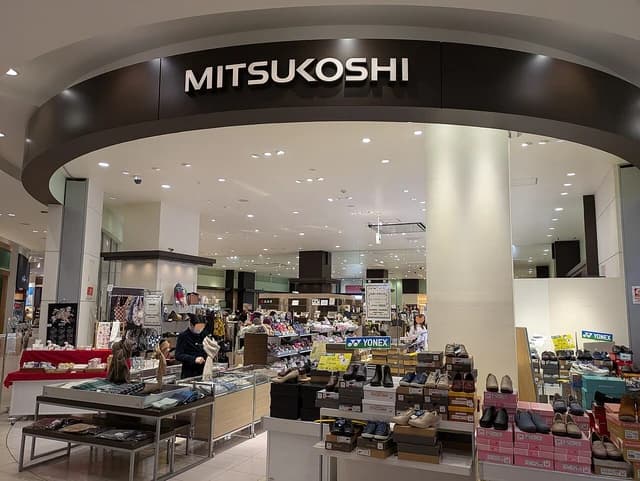
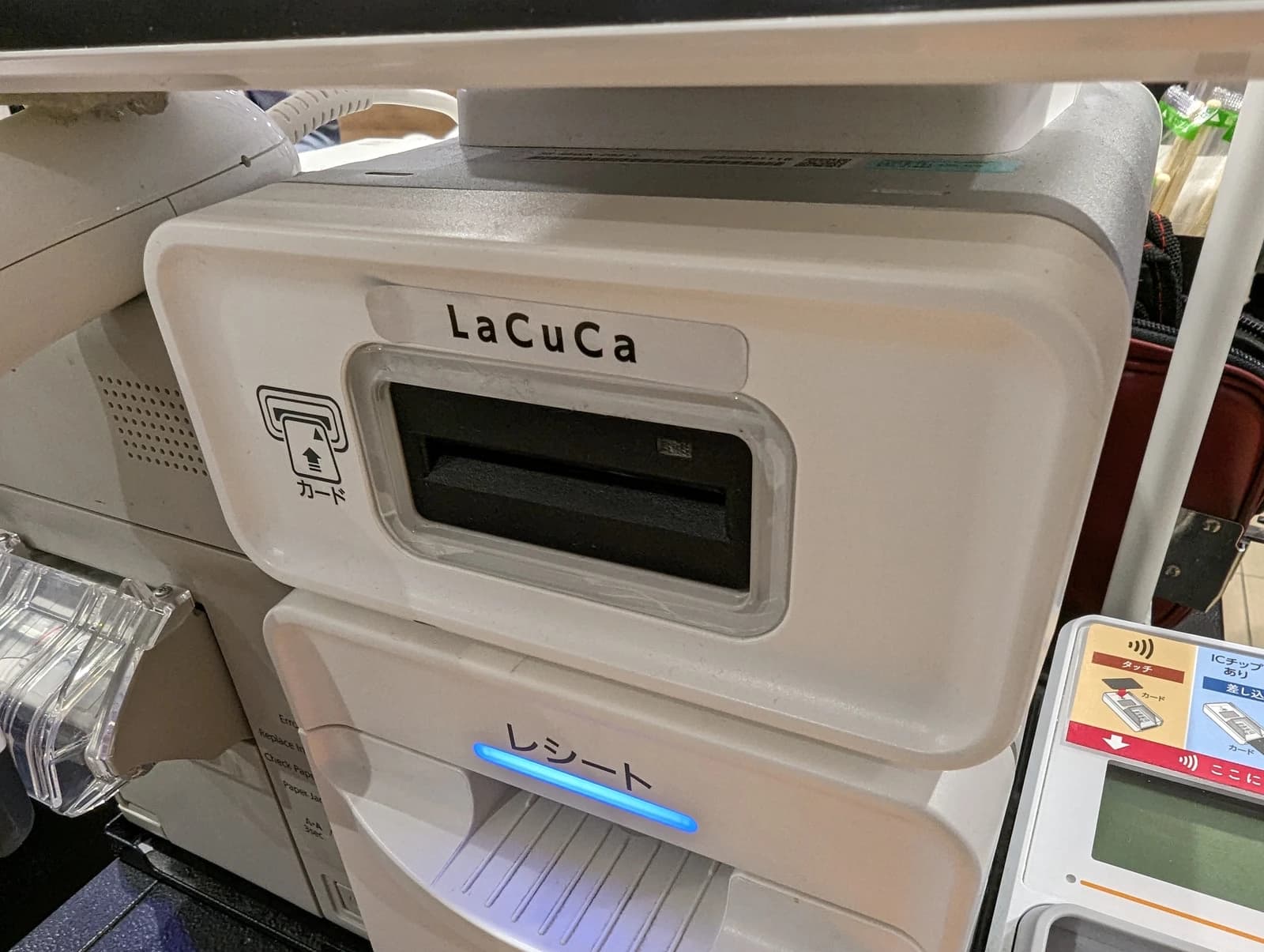
The new card, MICARD+ THE ONE, will be issued by MI Card, the Mitsukoshi Isetan group’s credit card arm, and positioned as the group’s top-tier offering. The company says it will be the first Visa Infinite card in Japan’s department store sector. The invitation-only product will come with the highest level of in-store hospitality across Mitsukoshi Isetan locations, along with Visa Infinite benefits, fine-dining perks, exclusive events and travel services.
The economics are straightforward. Mitsukoshi Isetan is trying to lock in repeat spending from the customers most likely to buy high-ticket goods, travel and experiences. The card’s rewards structure underscores that strategy: spending at group department stores can earn up to 11% back when credit-card and store points are combined, while annual spend can unlock as much as 50,000 bonus points. Even purchases that were previously excluded from point accrual will receive 2% back under the new program.
That is not generosity for its own sake. It is customer retention dressed up as luxury. In department stores, a loyal top spender can be far more valuable than a large number of casual buyers, because every extra visit can lift basket size, encourage premium brand purchases and create a tighter loop between shopping, travel and lifestyle services. Mitsukoshi Isetan is also using the card to push customers into its own ecosystem, from lounge access and parking discounts to curated tours and private events.
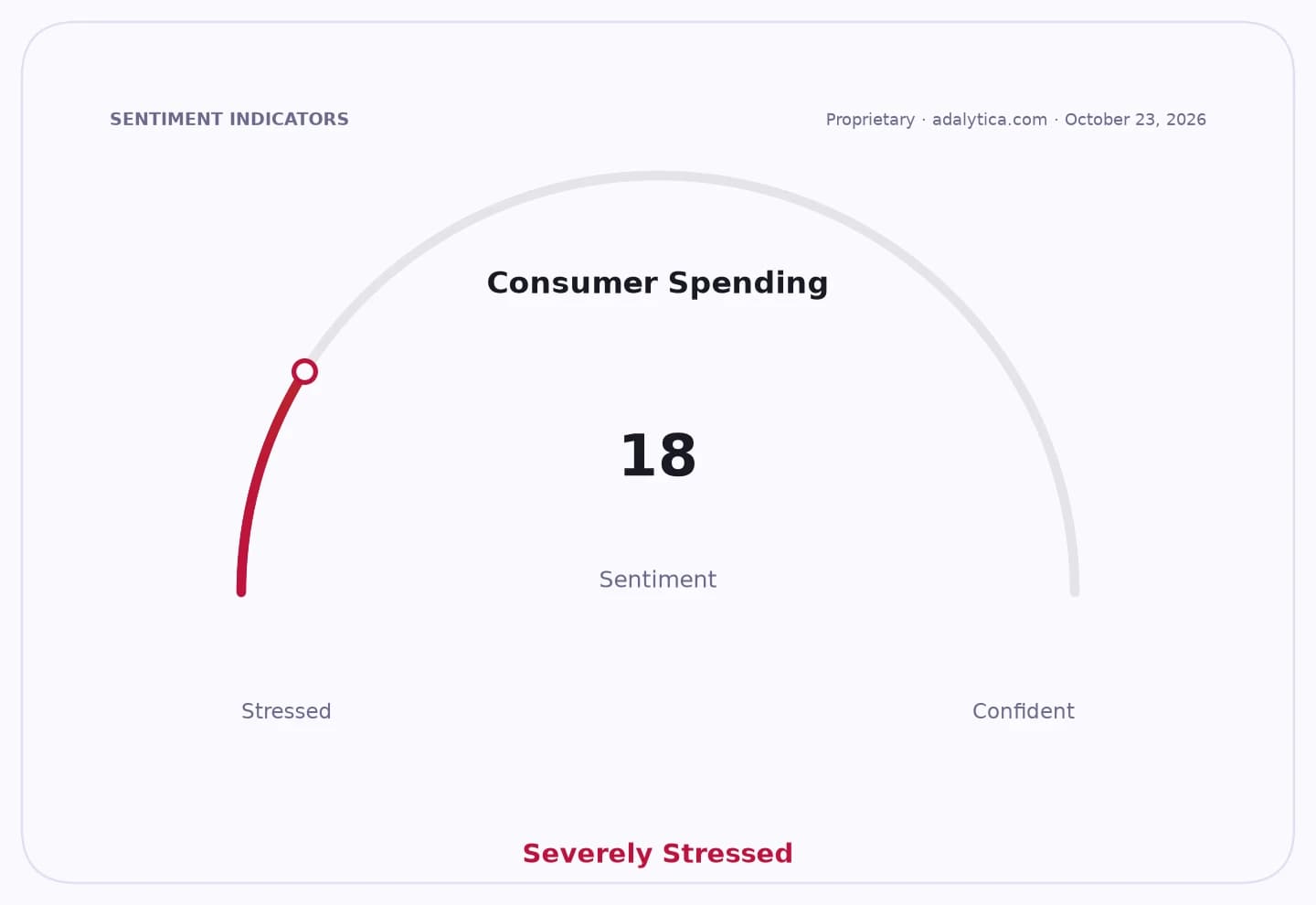
The timing is also telling. Consumer spending signals remain fragile, and investors have reason to be cautious on discretionary retail generally. But premium cards are designed for the end of the market that tends to hold up best when the rest of the consumer base softens. That is where this launch becomes economically meaningful: it is a bid to protect sales quality, not just sales volume.
For Mastercard and Visa investors, the story is a reminder that affluent spending still attracts product innovation even in a mature market. Visa benefits from another premium product on its network, while American Express faces yet another sign that wealthy customers remain a battleground in Japan’s card market. The broader trend is clear: merchants and financial-service partners increasingly see value in tailored, invitation-only ecosystems rather than mass-market rewards.
There are risks. A richer rewards package can pressure margins if spending does not rise enough to offset the cost. And because the card is invitation-only, the immediate revenue impact is likely to be limited rather than transformative. Still, the long-term thesis is compelling: companies with the best customer data, the strongest brand and the ability to create exclusivity can turn payments into a durable competitive advantage.
For long-term investors, the right way to view this is as a signal that premium retail is still investing in its moat. Mitsukoshi Isetan is trying to make its best shoppers feel indispensable — and that is exactly the kind of behavior that can compound value over years, not quarters. Worth watching.
| Entity | Gains | Losses |
|---|---|---|
| Mitsukoshi Isetan / MI Card | ▲richer loyalty and higher spend | ▼higher rewards costs |
| Affluent cardholders | ▲premium perks and up to 11% back | ▼tighter invitation-only access |
| Visa | ▲more premium volume on its network | ▼little direct downside |
| Competing premium card issuers | ▲pressure to upgrade offerings | ▼share of wealthy spend |