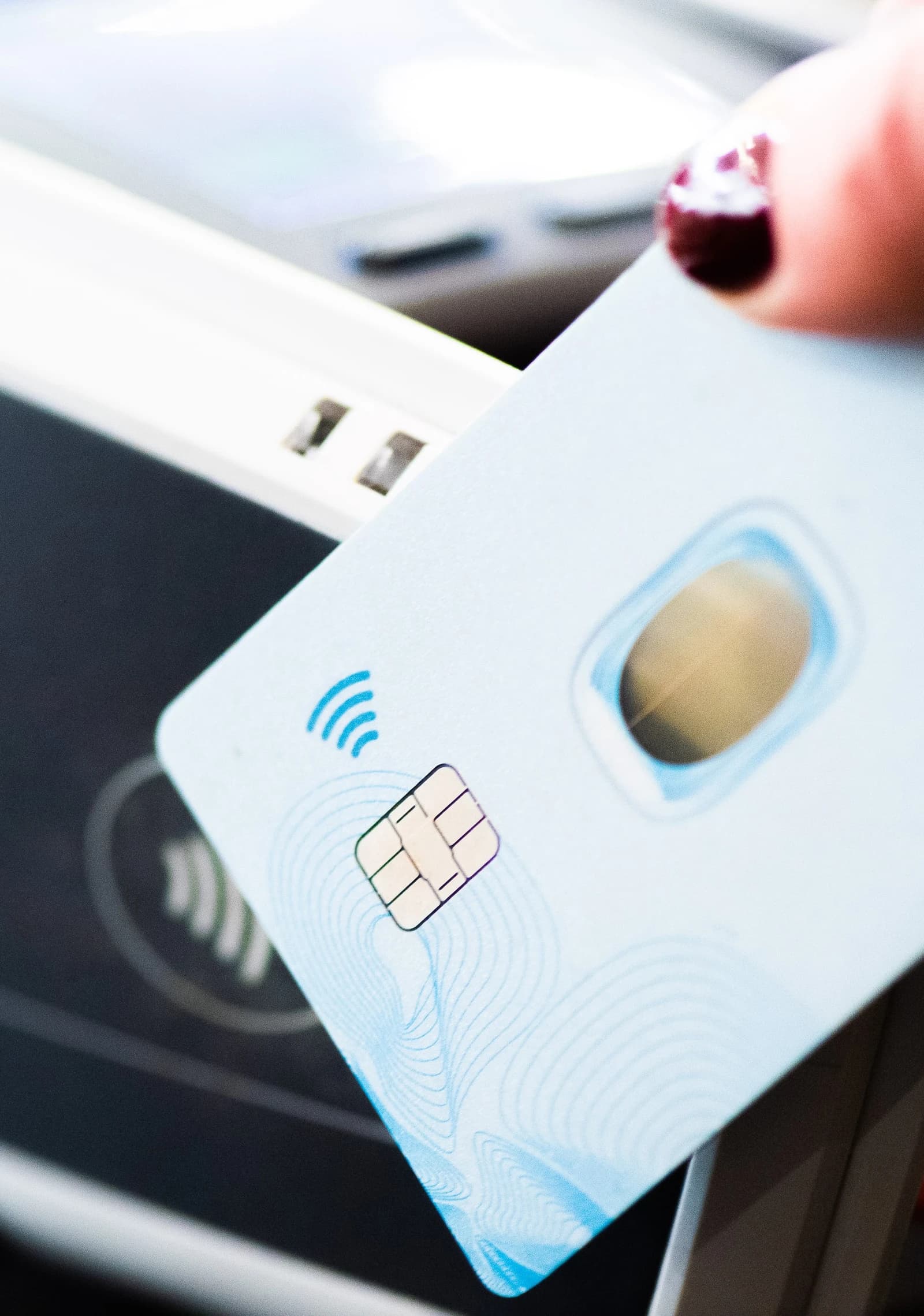
UniCredit Bank will make cards, branch services and some account rules more expensive from Jan. 1, 2027, a move that should lift fee income but also risks testing how much pricing power European lenders still have with retail clients.
UniCredit raises card and account fees in 2027
The biggest immediate change is on travel perks and premium payment services. The cost of using Priority Pass Digital with debit cards such as Debit Standard, Debit Detská karta and Debit Premium will rise to 35 euros per lounge visit from 30 euros. Instant payments ordered at a branch will cost 10 euros per transaction, while the same transfers remain included in online banking and the mobile app.
Sentiment IndicatorsⓘProprietary · adalytica.com · October 22, 2026
This is a snapshot — live sentiment, awareness and momentum for 130+ markets update continuously in the dashboard.Open AlphaPulse
That is the key investment angle: banks across Europe are looking for ways to defend margins as competition on deposits and lending stays intense, and fees are one of the cleanest levers available. For UniCredit, the new tariff list suggests it is willing to push more of the cost burden onto customers who use in-branch services or premium extras, while preserving digital transactions as part of packaged accounts.
The bank is also adding a new Mastercard World Elite Premium debit card with a listed annual fee of 225 euros for clients in the Prime and Private Wealth segments, unless the card is bundled into a broader service package. The card comes with travel insurance and coverage for payment cards, personal items and online purchases, alongside free extras such as limit changes, card reissuance and sending a card and PIN to a branch.
For investors, that matters because it shows UniCredit is not relying only on loan growth to drive revenue. Fee-based products can be a high-margin support to net interest income, particularly when retail clients are still willing to pay for convenience and premium access. The bank is also tightening account terms: the Start account will cost 4.90 euros a month for customers over 26, though it can still be waived with at least 500 euros in non-cash credit turnover; customers aged 15 to 25 remain exempt. The Open account will also carry a 4.90-euro monthly fee, while the Top account stays at 12 euros a month, with waivers possible if conditions are met.
The stock has already been trading in a technically stretched range, with the 50-day moving average near 21.70 euros and the latest close at 21.23 euros, while the RSI reading of 11.5 points to deeply oversold conditions. That does not change the fundamental story, but it does underline how sensitive the shares may be to any evidence that pricing initiatives translate into steadier fee income.
Our thesis is simple: this is the sort of incremental pricing action that compounds over time, especially in a banking sector where investors are paying up for durable returns and less cyclical revenue streams. If UniCredit can steadily reprice premium services without triggering meaningful customer churn, the market may be underestimating the long-term earnings lift from what looks, on the surface, like a routine tariff update.
| Entity | Gains | Losses |
|---|---|---|
| UniCredit Bank | ▲Higher fee income | ▼Risk of customer pushback |
| Premium cardholders | ▲More travel and insurance benefits | ▼Higher annual and usage fees |
| Retail customers using branches | ▲Broader service access | ▼Costlier instant payments |
| UniCredit shareholders | ▲Stronger non-interest revenue | ▼Execution and churn risk |