BforBank is using a 280-euro welcome package to pull new current-account customers into its online banking franchise, underscoring how fierce competition for deposits and everyday spending has become in Europe’s digital bank market.
BforBank offers 280-euro bonus for new accounts
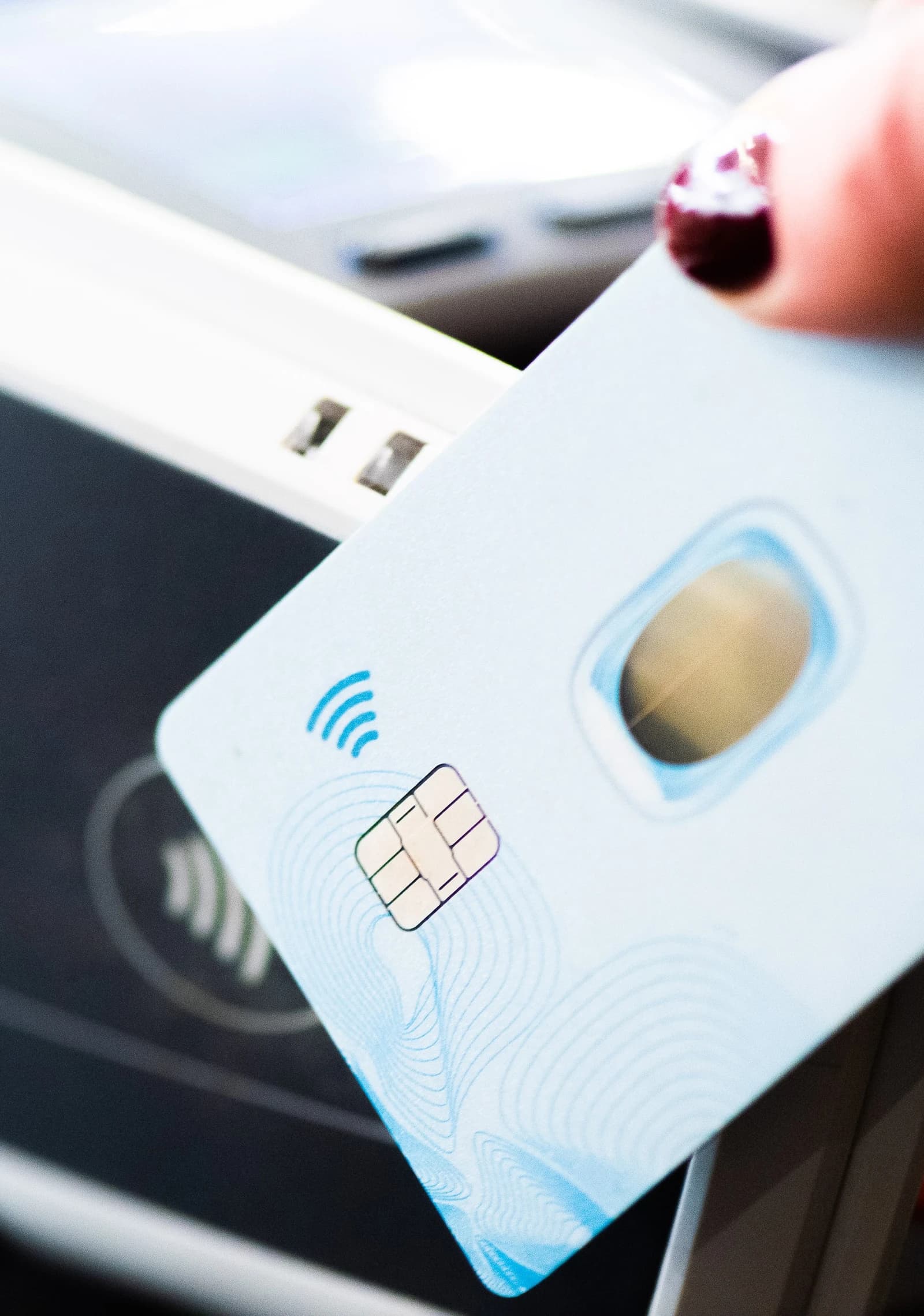
The offer is simple on the surface: open a BforZen current account, make 15 purchases of at least 10 euros within three months, and switch at least one standing order or direct debit from another bank. Do that and the French lender says customers can collect 80 euros in cash plus a 200-euro e-gift card redeemable with a range of merchants. The first month’s Visa BforZen card is free, payment and withdrawal limits are raised, and foreign card spending comes with no fees.
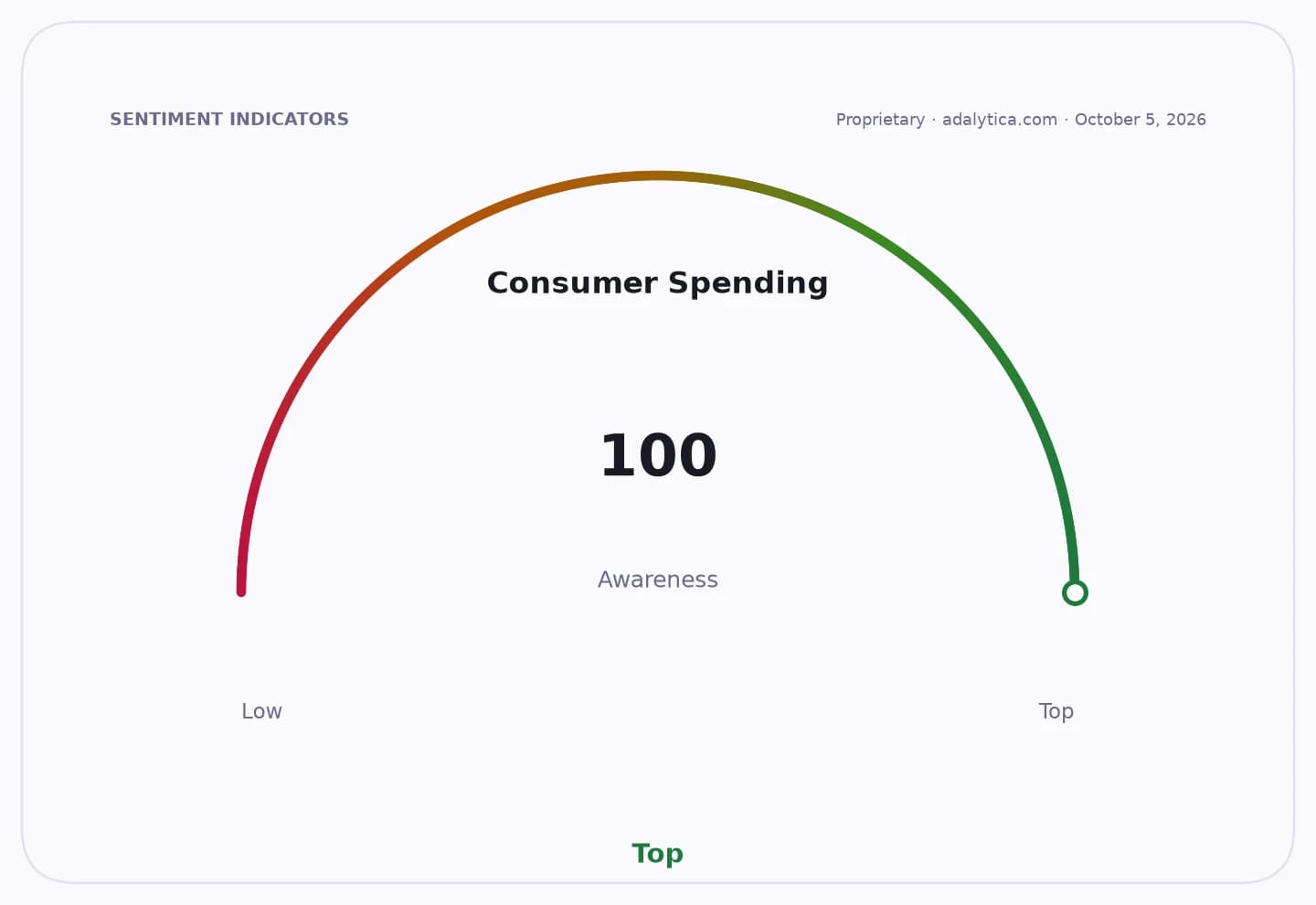
Sentiment IndicatorsⓘProprietary · adalytica.com · October 16, 2026
This is a snapshot — live sentiment, awareness and momentum for 130+ markets update continuously in the dashboard.Open AlphaPulse
Economically, the giveaway is less about generosity than customer acquisition economics. Retail banking remains a scale business, and online lenders with lighter branch networks often use cash incentives to offset the friction of account switching. In this case, the prize is designed to do two things at once: secure a primary current account relationship and pull in transactional volume that can eventually support fee income, deposit funding and cross-sell opportunities.
The structure of the bonus is also revealing. The cash element is tied to card usage, while the larger voucher reward depends on “bank mobility” — in practice, moving a payment instruction away from a rival. That makes the offer more valuable than a simple sign-up promotion because it tries to change the customer’s banking habits, not just entice a one-off application. For BforBank, the aim is likely to lock in sticky funding and build daily engagement at a time when digital banks and neobanks across Europe are still competing heavily on price, rewards and convenience.
For investors, the message is two-sided. On the bullish view, aggressive acquisition campaigns can accelerate deposit growth and improve operating leverage if enough customers become active, fee-generating users. On the bearish side, rich incentives can pressure margins and suggest that customer acquisition costs remain high in a market where switching incentives are increasingly common and differentiation is limited.
The lack of fees on card spending abroad adds another layer of competition, since travel usage is often where digital banks can win higher-value customers. But that also means the economics hinge on scale and disciplined underwriting of incentives rather than any single product feature.
Technical indicators on EURBF point to a softer near-term tone, with the share price at 4.90 euros below its 50-day moving average of 5.31 euros and the MACD still negative. The 200-day moving average at 4.66 euros suggests the stock remains above its longer-term trend, but recent weakness implies investors are not yet rewarding the growth push with a clear rerating.
The broader narrative is that European online banks are still being forced to pay up for growth, even as customers become more willing to switch. Whether BforBank’s campaign pays off will depend on how many bonus hunters turn into profitable main-account users — and how much it costs the bank to keep them there.
| Entity | Gains | Losses |
|---|---|---|
| BforBank | ▲New account growth | ▼Incentive costs |
| New customers | ▲Cash and vouchers | ▼Switching effort |
| Rival banks | ▲— | ▼Deposit outflows |
| MBIN/online banking peers | ▲Sector attention | ▼Higher acquisition pressure |