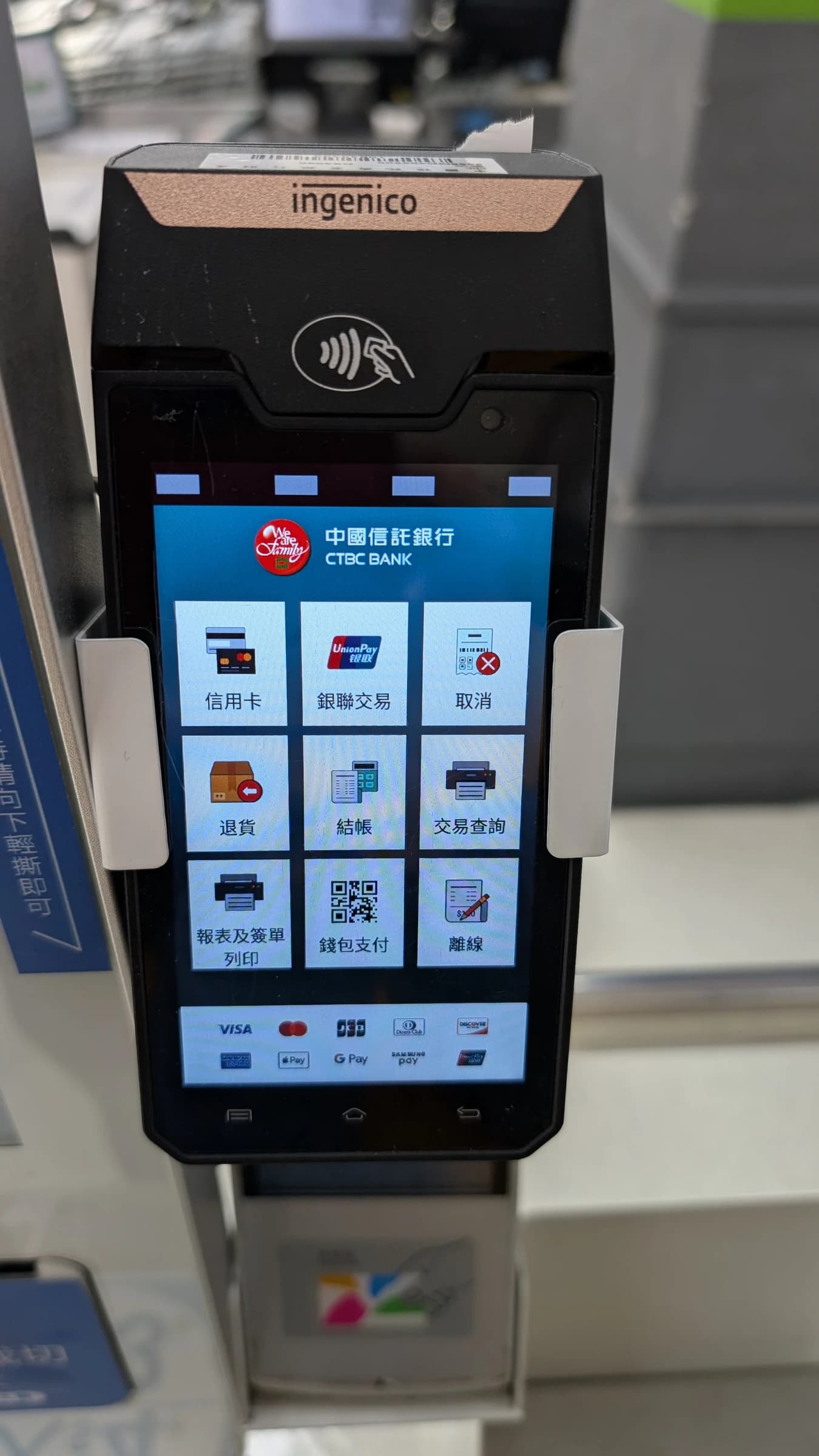
Romanians are moving faster toward digital checkout, and that is good news for the global payments networks that sit in the middle of every card transaction. The biggest change is not just convenience; it is trust. Consumers who once preferred cash-on-delivery are now more willing to pay in advance, save card details and use mobile wallets, a shift that supports higher electronic payment volumes over time.
Romania Mobile Checkout Boosts Visa and Mastercard
That matters because payments is a scale business. Once shoppers become comfortable using cards, wallets and biometrics, the friction drops and the number of transactions tends to rise. In Romania, where ING Bank says roughly 80% of online retail traffic now comes from mobile devices, the experience at checkout has become as important as the product itself. Faster, simpler payment flows usually translate into more completed purchases, which benefits merchants, card issuers and networks such as Visa and Mastercard.
The underlying message is that Romanian ecommerce is entering a more mature phase. Instead of asking whether an online order will arrive, consumers are increasingly asking why payment takes so long. That change is subtle, but economically powerful. It suggests digital payments are moving from a defensive choice, used to avoid risk, to a default habit shaped by speed and convenience. For banks and payment providers, that opens the door to greater adoption of stored cards, mobile wallets, aliases such as phone numbers and email addresses, and biometric authentication.
Visa and Mastercard already have the kind of business models that tend to benefit when digital commerce deepens. Both have a wide moat built on acceptance, trust and global infrastructure, and both have been rewarded as spending shifts from cash to electronic rails. Their shares have reflected that resilience: Visa recently traded around $393, while Mastercard was near $605, both sitting well above their 200-day moving averages. That does not make them cheap, but it does show investors continue to value their long runway as cash usage declines.
PayPal is part of the same conversation, but the story is less straightforward. As an online checkout and wallet specialist, it stands to benefit from the push toward faster mobile payments, yet it also faces more competition as banks, networks and platform operators race to own the customer experience. For long-term investors, that means the real opportunity is not a single payment app winning everything. It is the continued expansion of the overall digital-payments pie.
The investment lesson here is simple: payment habits change slowly, then all at once. Romania’s shift toward mobile, instant and card-based checkout is another sign that cash is losing ground in everyday commerce. For investors with a multi-year horizon, that is exactly the kind of secular trend worth owning through durable leaders in payments and fintech, not by chasing short-term moves. Visa and Mastercard remain the clearest beneficiaries, and the trend is worth watching closely.
| Entity | Gains | Losses |
|---|---|---|
| Visa | ▲More card transactions | ▼Cash and COD-heavy merchants |
| Mastercard | ▲Wider digital acceptance | ▼Friction-heavy checkout models |
| PayPal | ▲More online payment volume | ▼Local cash-based habits |
| Romanian consumers | ▲Faster checkout | ▼Time spent on manual payment steps |