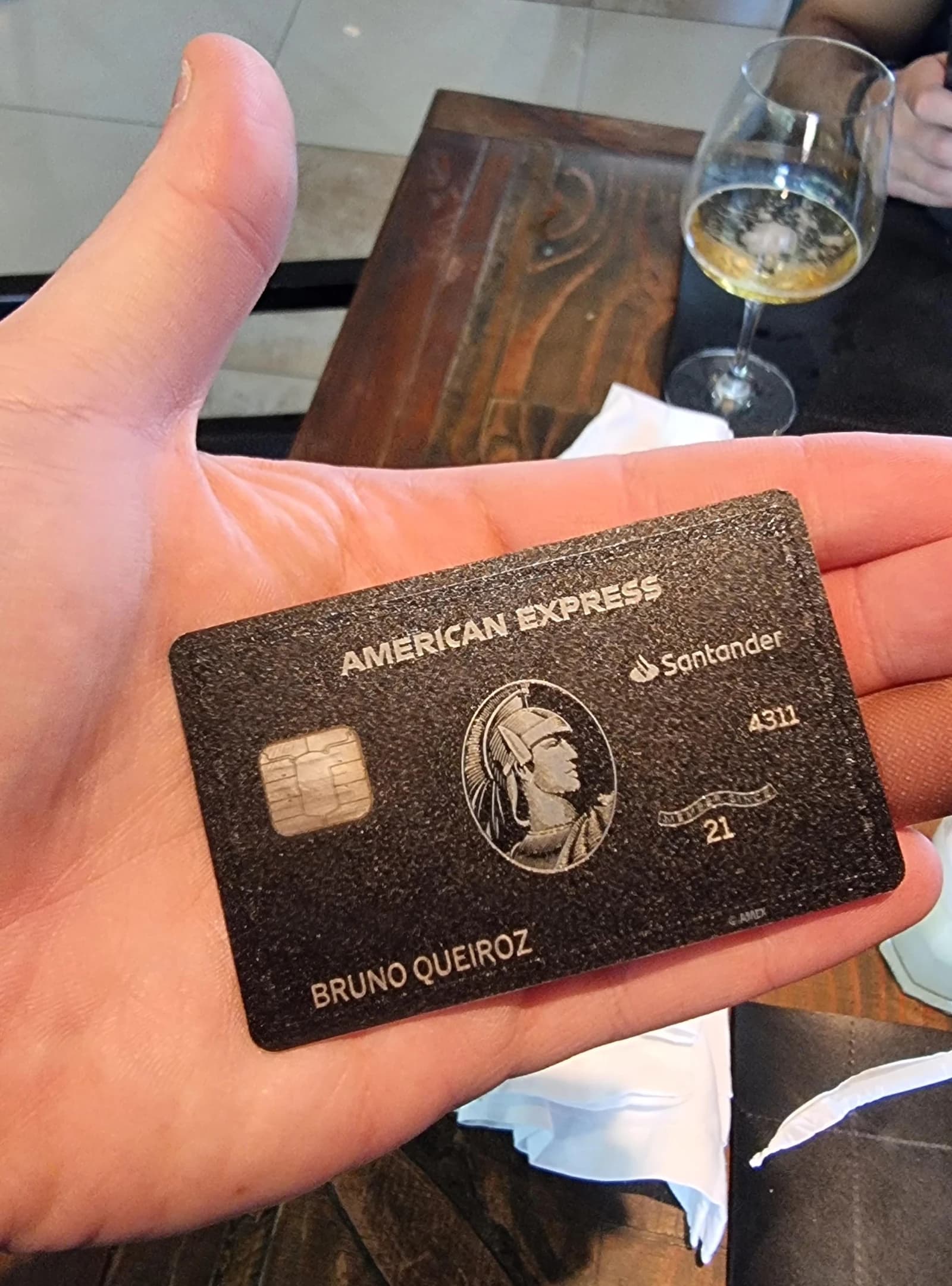
The “free lunch” around credit card surcharges is ending, and the bill is shifting back to banks, card networks and large merchants as regulators tighten rules on who ultimately pays for card acceptance.
Australia card surcharge rules pressure Visa Mastercard
That matters because interchange, processing and reward costs are embedded across the consumer economy. If merchants can no longer pass those charges directly to card users, the economics move back to issuers and payment networks that have long benefited from opaque pricing and broad card adoption.
Sentiment IndicatorsⓘProprietary · adalytica.com · October 14, 2026
This is a snapshot — live sentiment, awareness and momentum for 130+ markets update continuously in the dashboard.Open AlphaPulse
In Australia, the surcharge ban and the Australian Taxation Office’s plan to stop accepting credit card payments have put the issue in sharp focus. The dispute pulls in the government, the Reserve Bank of Australia, Visa, Mastercard, banks, merchant acquirers and payments firms such as Square, all of which face pressure to absorb costs or reprice services.
For investors, the stakes are clearest in payments. Visa and Mastercard rely on transaction volume and merchant acceptance, while American Express depends more directly on premium card economics and merchant fees. If regulators make card usage look less “free” to consumers while merchants lose the ability to offset costs, pricing power shifts and the debate over who funds rewards and network economics gets louder.
The market is already treating the group as a high-quality, but not risk-free, franchise. Mastercard shares have climbed to about $604.93, well above their 50-day moving average of $573.11 and 200-day average of $530.92, with RSI readings near 76 suggesting the stock is extended. American Express sits around $307.93, below its 200-day average of $327.43, reflecting a more cautious read on credit and spending durability.
That caution is not just about fees. Credit stress is building in parts of consumer finance, with Adalytica’s Household Debt Stress Sentiment showing “Extreme Fear” awareness and a sharp day-to-day swing, while U.S. unemployment is forecast around 4.09% and 10-year Treasury yields are still above 5%. Those conditions raise the risk that consumers become more selective and merchants less willing to subsidize payments friction.
The broader narrative is simple: card payments were sold as convenience, rewards and choice, but the funding model is getting harder to hide. The next catalyst is whether regulators in more markets follow Australia’s lead, forcing banks, networks and merchants to disclose, absorb or redesign the real cost of plastic.
| Entity | Gains | Losses |
|---|---|---|
| Merchants | ▲Lower surcharge backlash | ▼Less pricing flexibility |
| Consumers using debit/cash | ▲Fewer hidden cross-subsidies | ▼Fewer card rewards |
| Visa/Mastercard | ▲Higher transparency debate | ▼Pressure on fee model |
| Banks/issuers | ▲Potential volume resilience | ▼Margin compression risk |