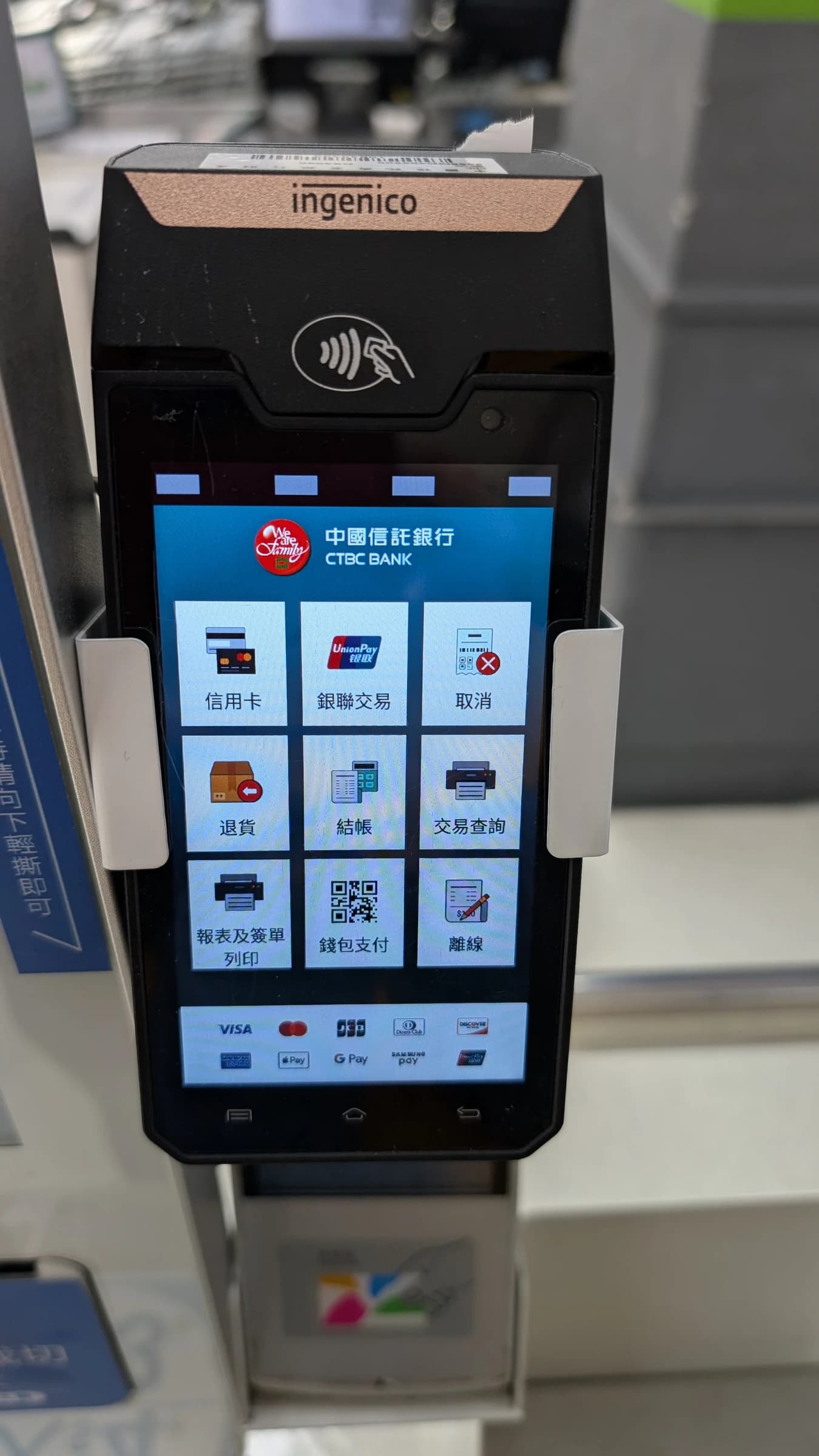
China has given Visa the green light to set up a bank card clearing institution, a move that could eventually let the U.S. payments giant process renminbi transactions inside the world’s second-largest economy and compete more directly in a market long dominated by domestic networks.
Visa Gets China Card Clearing Approval

For investors, the significance is bigger than a licensing milestone. Clearing is the plumbing of card payments: it connects card issuers, merchants and payment processors, and it is one of the essential gates to earning a share of transaction flows. If Visa wins full operating approval after completing its one-year preparation period and receiving final sign-off from Chinese regulators, it would be able to offer card clearing and RMB-denominated card issuance in China, not just foreign-currency services as it can today.
Sentiment IndicatorsⓘProprietary · adalytica.com · October 15, 2026
This is a snapshot — live sentiment, awareness and momentum for 130+ markets update continuously in the dashboard.Open AlphaPulse
That matters because China remains one of the most important payments markets in the world, with a huge cashless consumer base and a financial system still being opened in measured steps. The approval also reinforces a broader policy message: Beijing is still willing to admit global payments firms into a tightly controlled sector when it sees scope for competition, technology transfer and deeper financial integration.
Visa said the approval marks an important step after more than 40 years of involvement in China’s payments landscape. The company’s long game here is straightforward. China’s consumers and merchants already live in a digital-payments ecosystem that is advanced, scaled and highly competitive. Even a modest foothold in domestic clearing could widen Visa’s reach, strengthen its network value and create a path to more durable revenue from one of the most attractive consumer markets in the world.
The move also follows a familiar playbook for foreign payments firms. American Express won approval in 2018 to establish a clearing institution in China through a joint venture and began operating in 2020, becoming the first foreign-funded card clearing institution in the country. Mastercard received similar approval in 2020 and started operations in 2024. Visa is now the last of the three major global card brands to move closer to a domestic clearing presence.
Still, investors should keep expectations grounded. This is an approval to prepare, not a full commercial launch, and China’s regulatory process can be slow and conditional. Visa will still need final authorization from the People’s Bank of China and the National Financial Regulatory Administration before it can operate. But the direction of travel is clear: access is widening, and that should support the long-term case for global payment networks that can gain a foothold in China without needing to own the market outright.
Visa shares already reflect a business prized for its pricing power, scale and free cash generation, while Mastercard and American Express have also held up as investors focus on durable card spending trends. The near-term market reaction may be muted, but over a multi-year horizon this kind of market opening can matter because payments networks compound slowly: a new country approval today can become a meaningful volume stream tomorrow.
For long-term investors, the key takeaway is simple. China is not handing Visa a jackpot, but it is opening another door into a massive payments market, and that is exactly the kind of incremental advantage that can support compounding for years. Worth watching, especially for investors who like high-quality financial infrastructure names and are willing to wait for the payoff.
| Entity | Gains | Losses |
|---|---|---|
| Visa | ▲China market access | ▼Foreign-market exclusion |
| Chinese merchants and issuers | ▲More competition, more options | ▼Reliance on domestic networks |
| Mastercard and American Express | ▲Sector-wide opening precedent | ▼No unique edge from this approval |
| Domestic payment networks | ▲Learning from global competition | ▼Protected market share |