Ecobank is moving to plug Africa more directly into China’s renminbi payments network, a step that could cut settlement friction for companies trading with the world’s second-largest economy and deepen the yuan’s role in cross-border commerce.
Ecobank to join China CIPS yuan payments network
The pan-African lender plans to sign an agreement in China on Saturday to join CIPS, the Chinese Cross-Border Interbank Payment System, giving its clients a more direct route to settle trade in yuan rather than routing payments through more cumbersome correspondent-banking chains. For companies importing Chinese goods or exporting commodities and other products to China, that can mean faster settlement, lower transaction costs and less foreign-exchange overhead.
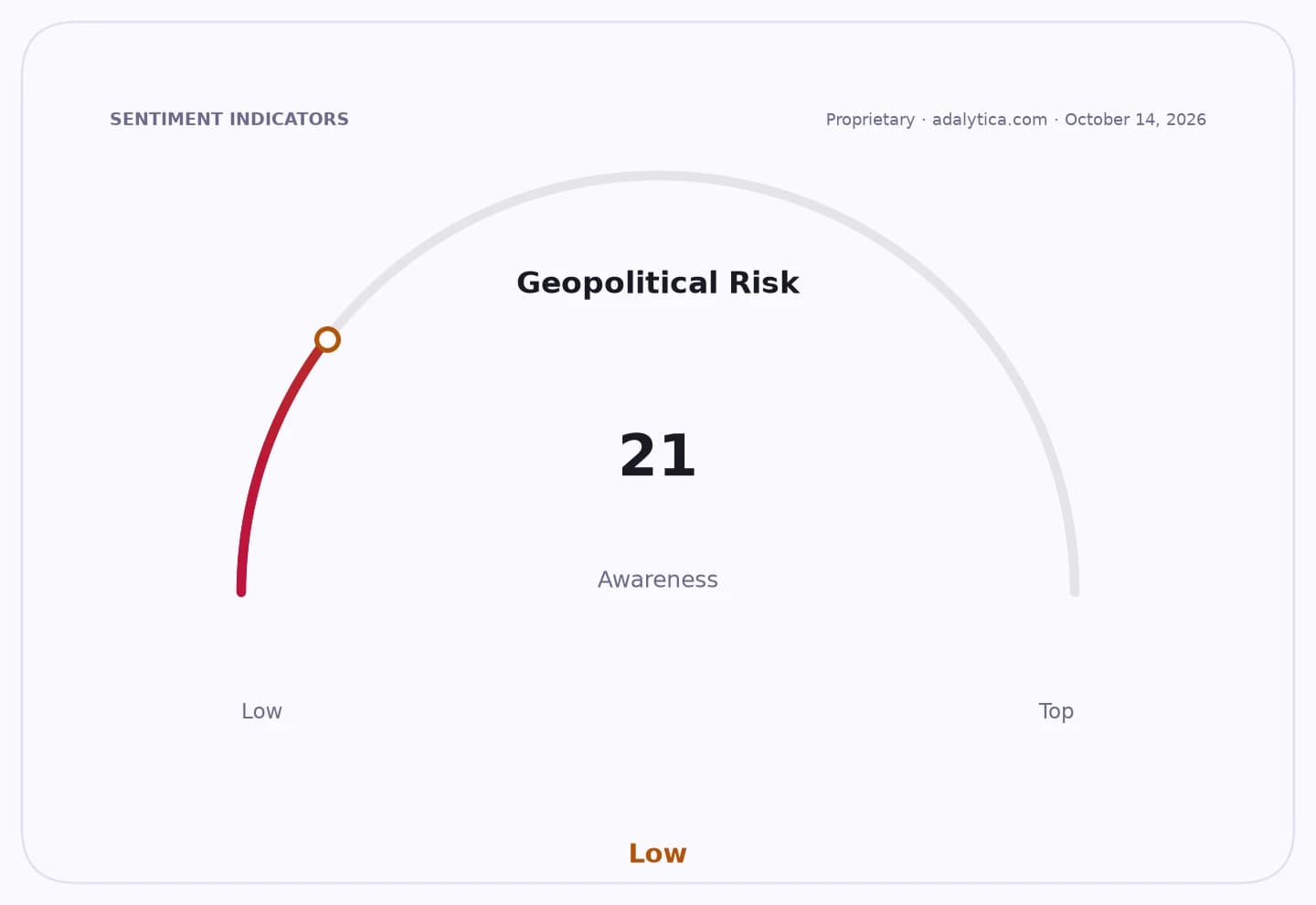
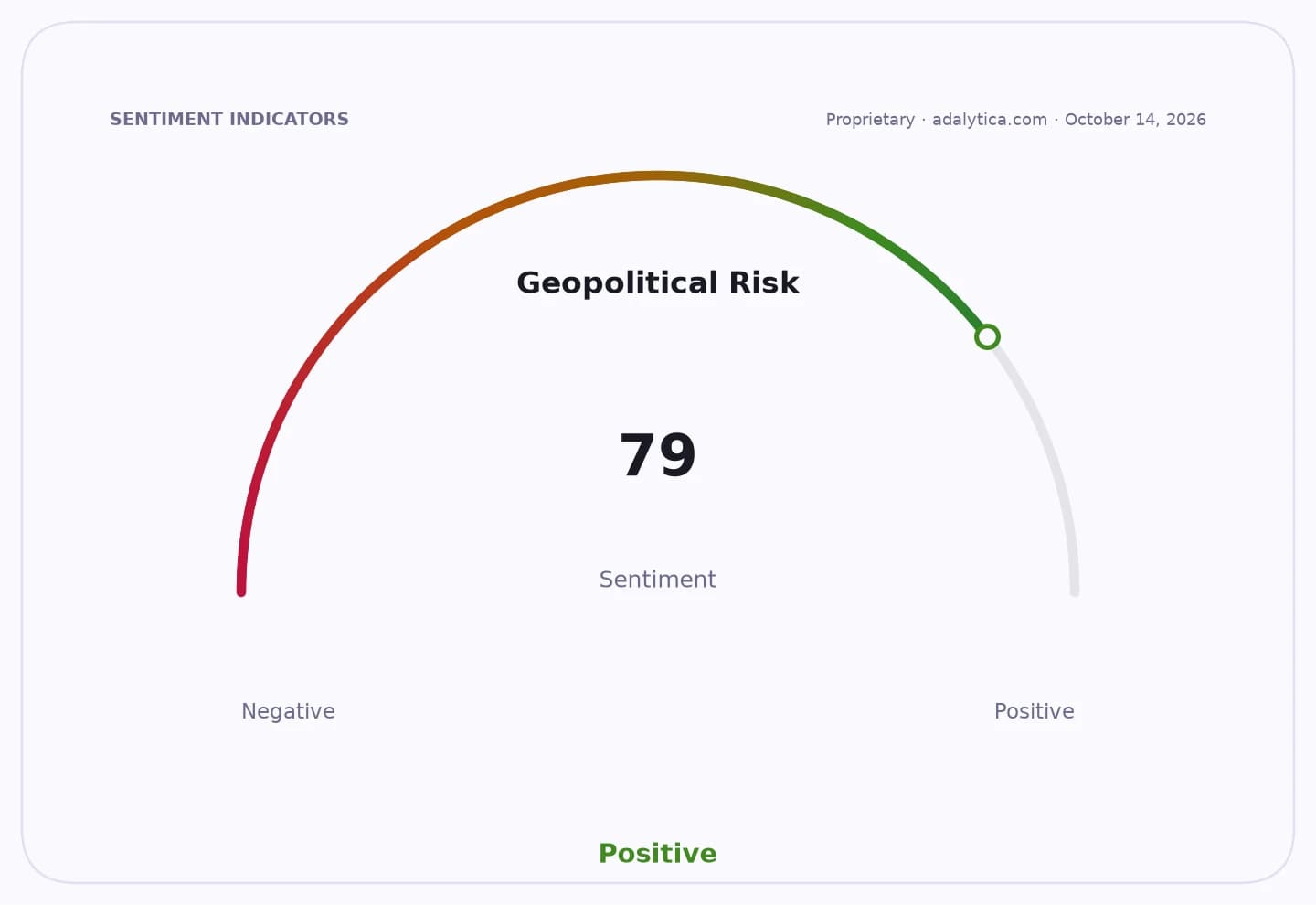
Sentiment IndicatorsⓘProprietary · adalytica.com · October 12, 2026
This is a snapshot — live sentiment, awareness and momentum for 130+ markets update continuously in the dashboard.Open AlphaPulse
For Ecobank, the deal is strategically important because it extends a payment bridge across its network in 34 countries, where many small and mid-sized firms still face delays and added costs when invoicing in dollars and then converting into renminbi. Chief executive Jeremy Awori said the connection would bring China’s renminbi infrastructure closer to Ecobank’s pan-African franchise. CIPS already links more than 5,000 banks in over 100 countries and territories, underscoring how the system has become a key plank in Beijing’s push to broaden yuan usage beyond its borders.
The move also reflects a broader shift in Africa’s financial plumbing as banks respond to the rapid expansion of China-Africa trade. That trade rose by nearly 18% in 2025, creating more demand for direct yuan settlement and reducing reliance on the dollar for at least part of the corridor. Standard Bank connected to CIPS in 2025, Bank of Kigali has joined more recently and Banco de Fomento Angola is preparing to follow, suggesting the market is starting to build a regional network rather than isolated bilateral links.
Ecobank is also in talks with Bank of China on a separate joint yuan-settlement offering, which would further strengthen its ability to clear renminbi transactions for African clients. In West Africa, the groundwork is already in place: Bank of China helped Ecobank Guinea become an indirect CIPS participant in March 2026, allowing the subsidiary to access renminbi clearing through a correspondent bank. Full membership, however, should make the process cleaner and more scalable across Ecobank’s footprint.
For investors, the significance lies less in immediate earnings and more in the strategic positioning of African banks in the rerouting of trade finance. Banks that can offer faster yuan settlement may gain fee income, stickier corporate deposits and greater share of China-linked flows, while competitors without access could lose transaction business. The development also fits a wider theme of gradual dedollarization in select trade corridors, even if the dollar remains dominant globally.
The main risk is execution: adoption will depend on how quickly African importers, exporters and corporates choose to invoice and settle in yuan, and whether liquidity, compliance and correspondent relationships are sufficient to support the volume. But with China-Africa trade still expanding, Ecobank’s entry into CIPS is likely to be watched as another sign that yuan infrastructure is moving deeper into emerging-market trade finance.
| Entity | Gains | Losses |
|---|---|---|
| Ecobank | ▲Faster cross-border yuan settlement | ▼Legacy payment friction |
| African corporates | ▲Lower costs, quicker payments | ▼Dollar conversion dependence |
| Bank of China / CIPS | ▲Wider network reach | ▼Slower adoption elsewhere |
| Dollar-based intermediaries | ▲Less trade flow volume | ▼Fee income from routing chains |