Ghana has begun letting eligible importers pay Chinese suppliers in yuan from cedi accounts, a shift that could trim transaction steps, lower settlement friction and deepen the use of China’s currency in one of Africa’s most important trade routes.
Ghana lets importers pay Chinese suppliers in yuan
The move matters because it targets a familiar bottleneck in emerging-market trade finance: the extra cost and delay created when local-currency payments must first be converted into dollars before being routed on to China. By allowing transactions to settle through China’s Cross-Border Interbank Payment System, or CIPS, Ghana is giving businesses a direct payment rail that reduces reliance on US correspondent banks for eligible trade flows.
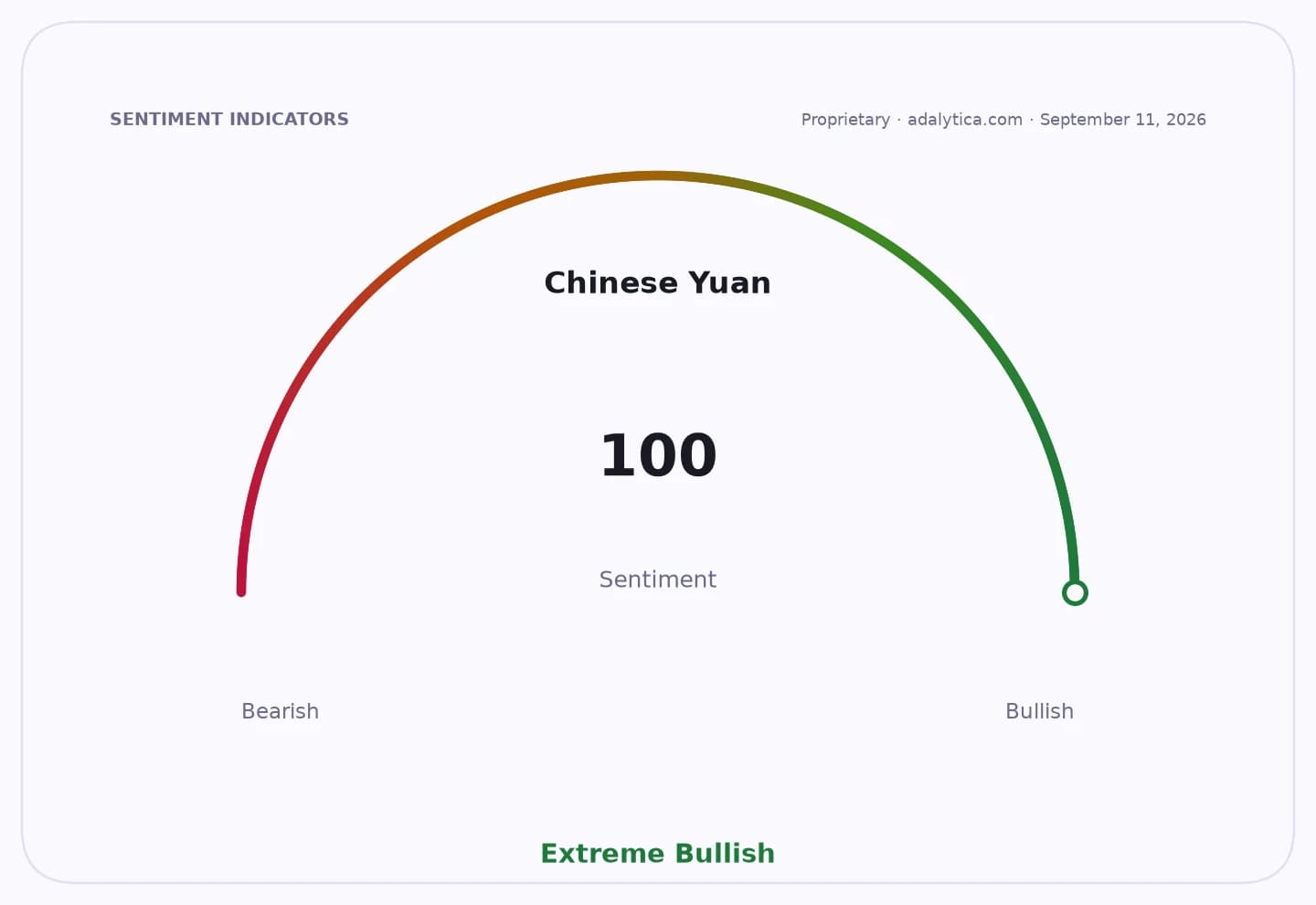
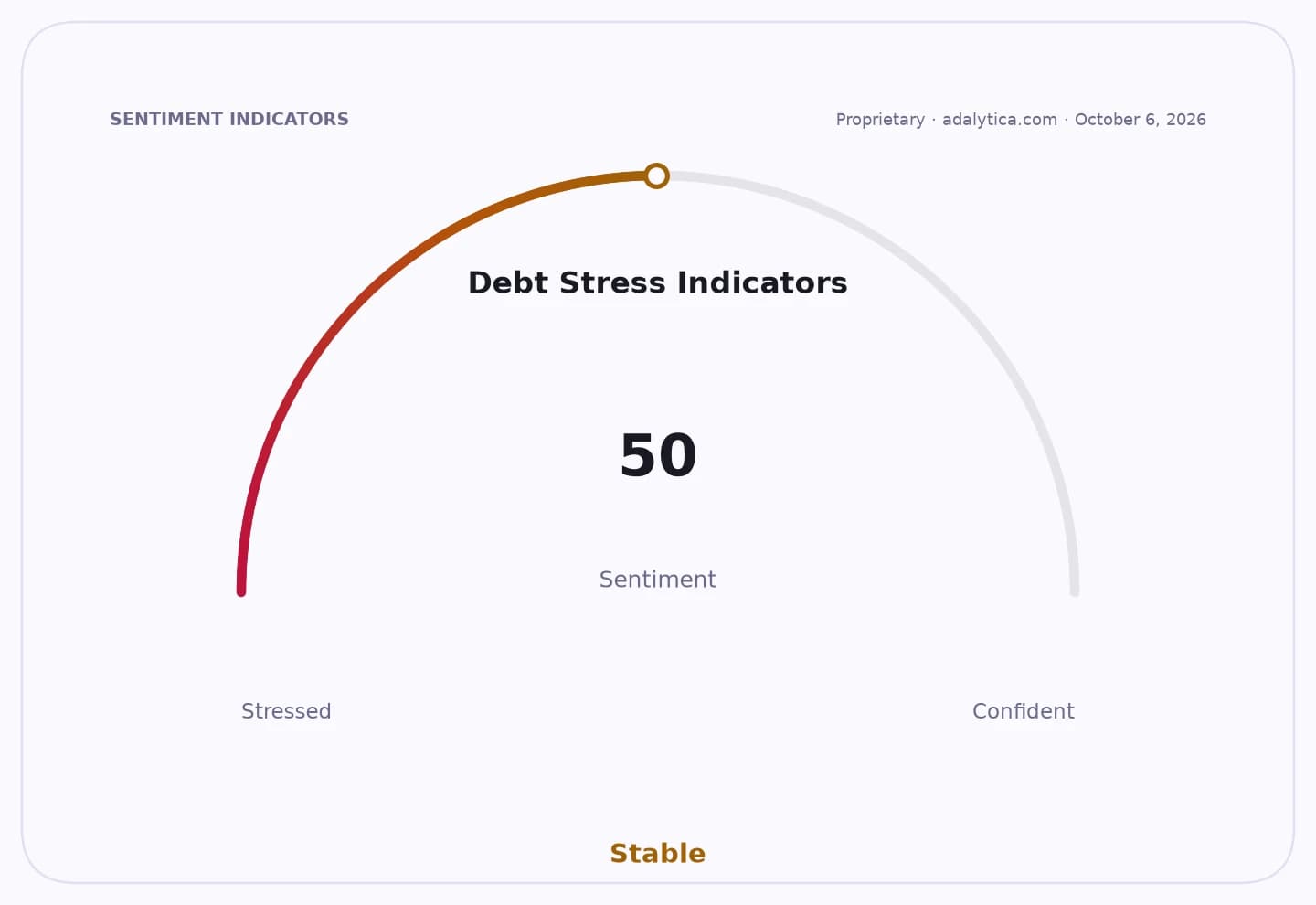
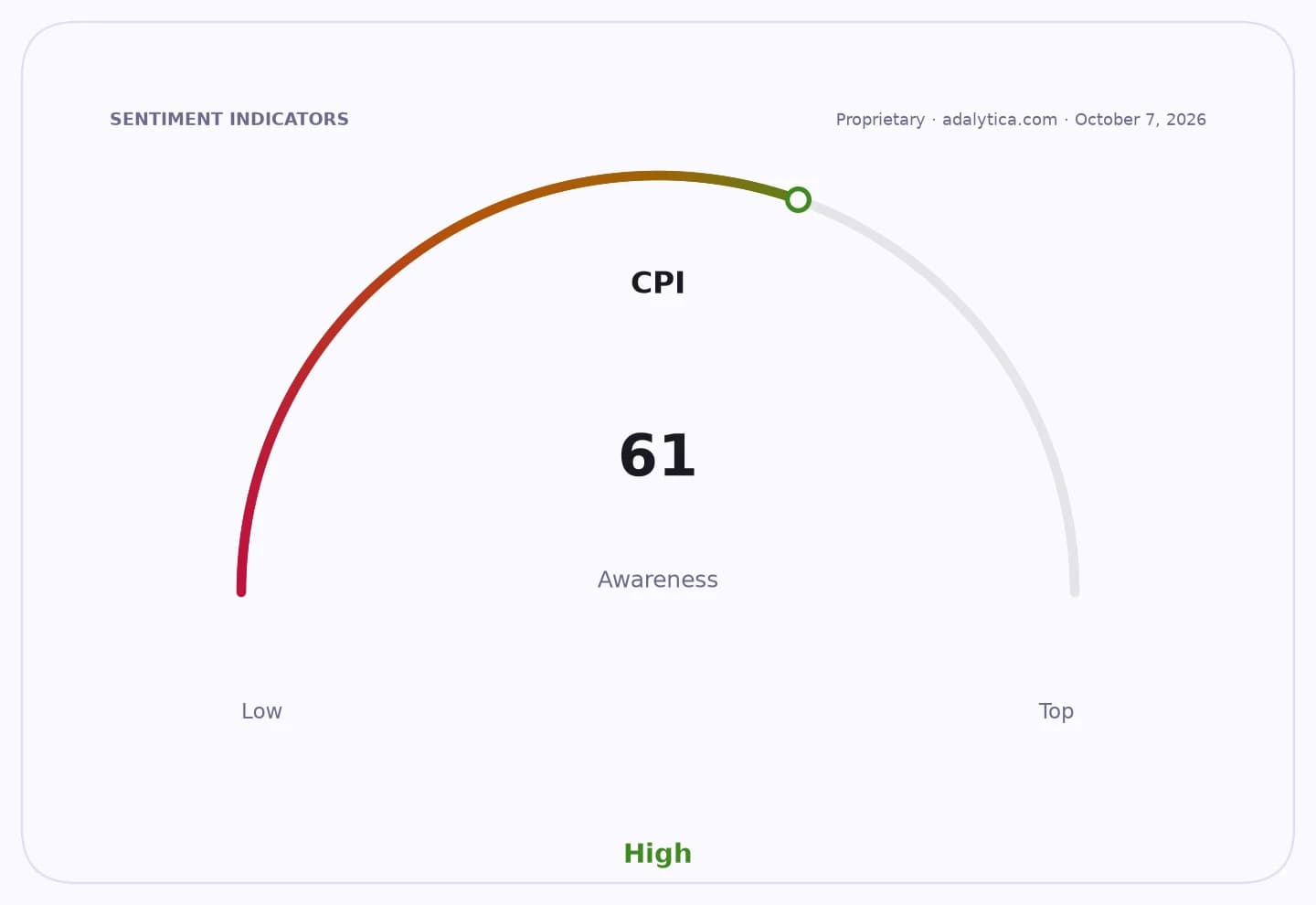
Sentiment IndicatorsⓘProprietary · adalytica.com · October 8, 2026
This is a snapshot — live sentiment, awareness and momentum for 130+ markets update continuously in the dashboard.Open AlphaPulse
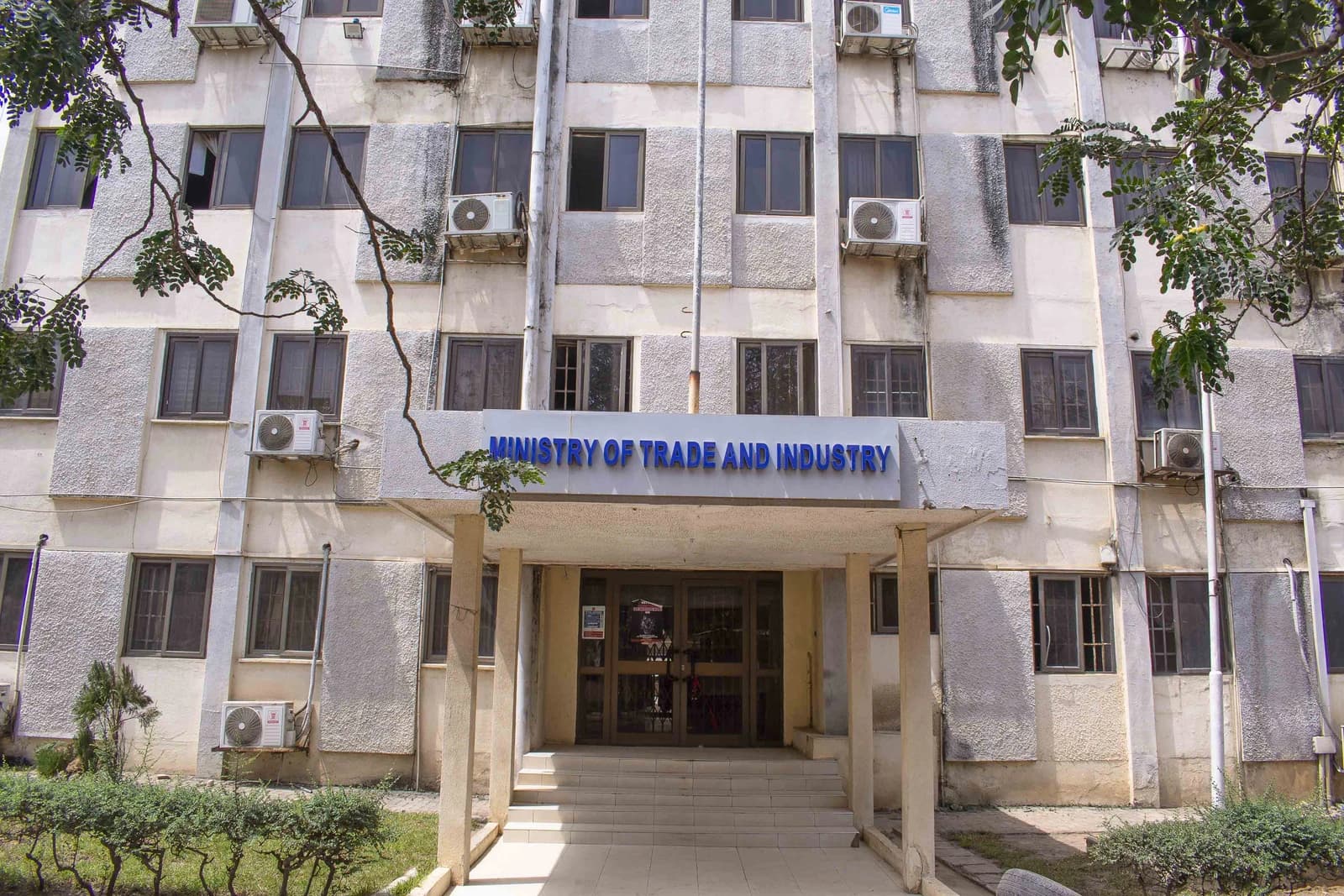
Bank of Ghana Governor Johnson Asiama said importers no longer need to source dollars before paying for eligible goods from China, and can instead use cedis through Stanbic Bank Ghana, the first lender in the country approved to offer the service. Stanbic said yuan payments with complete documentation submitted by 2 p.m. GMT can be processed by the next business day, underscoring that the change is not just symbolic but operational.
For Ghanaian importers, the immediate attraction is efficiency rather than a guaranteed price cut. The bank has stressed the route does not replace SWIFT and does not eliminate foreign-exchange risk, trade-finance charges or import-related costs. Still, removing one conversion leg can reduce execution risk and, in a market where dollar liquidity can be tight, make it easier for firms to settle trade with Chinese counterparties.
The broader significance is geopolitical as well as financial. African economies have been looking for ways to reduce dependence on the dollar in trade with China, their largest commercial partner in many cases. Ghana’s decision follows Nigeria’s earlier naira-yuan mechanism, launched through a bilateral currency swap in 2018 and renewed in 2024, though officials there have said the facility has been underused. Ghana’s version suggests Beijing’s payment infrastructure is gradually gaining traction across the continent, even if adoption remains selective and heavily controlled.
Investors should read the development as a sign that settlement infrastructure, not just trade volumes, is becoming part of the competition for influence in frontier markets. For Ghana, wider yuan usage could help businesses manage payment flows if imports from China continue to rise, while for banks it opens a fee-generating service line tied to trade finance and foreign-exchange conversion. For dollar-linked intermediaries, it is another incremental loss of flow, even if the greenback remains dominant for most international transactions.
The key question is whether the pilot remains a niche service for well-documented imports or expands into a meaningful alternative rail. The Bank of Ghana said GCB is also developing a similar offering, suggesting the central bank wants broader participation. If more lenders join and businesses see faster settlement without added compliance friction, yuan-based trade payments could steadily move from pilot to practice.
| Entity | Gains | Losses |
|---|---|---|
| Ghana importers | ▲Faster settlement | ▼Dollar conversion step |
| Stanbic Bank Ghana | ▲New trade-finance fees | ▼Less dependence on US intermediaries |
| Bank of Ghana | ▲Greater payment flexibility | ▼Some dollar-centric flows |
| US correspondent banks | ▲— | ▼Reduced transaction volume |