Adults are no longer just buying toys for their children — they are turning collectibles, action figures and theme-park experiences into a meaningful consumer category, and that shift is creating a new growth lane for toy makers, entertainment brands and premium retailers.
Hasbro, Mattel and Funko on kidult spending
The economic significance is bigger than a quirky lifestyle trend. “Kidult” spending is a response to a changing consumer base: in aging developed markets, shrinking child populations are forcing companies to chase higher-spending adults who are willing to pay up for nostalgia, identity and stress relief. That makes the category more resilient than traditional toy demand, which is tied to birth rates, holiday seasons and children’s spending power.
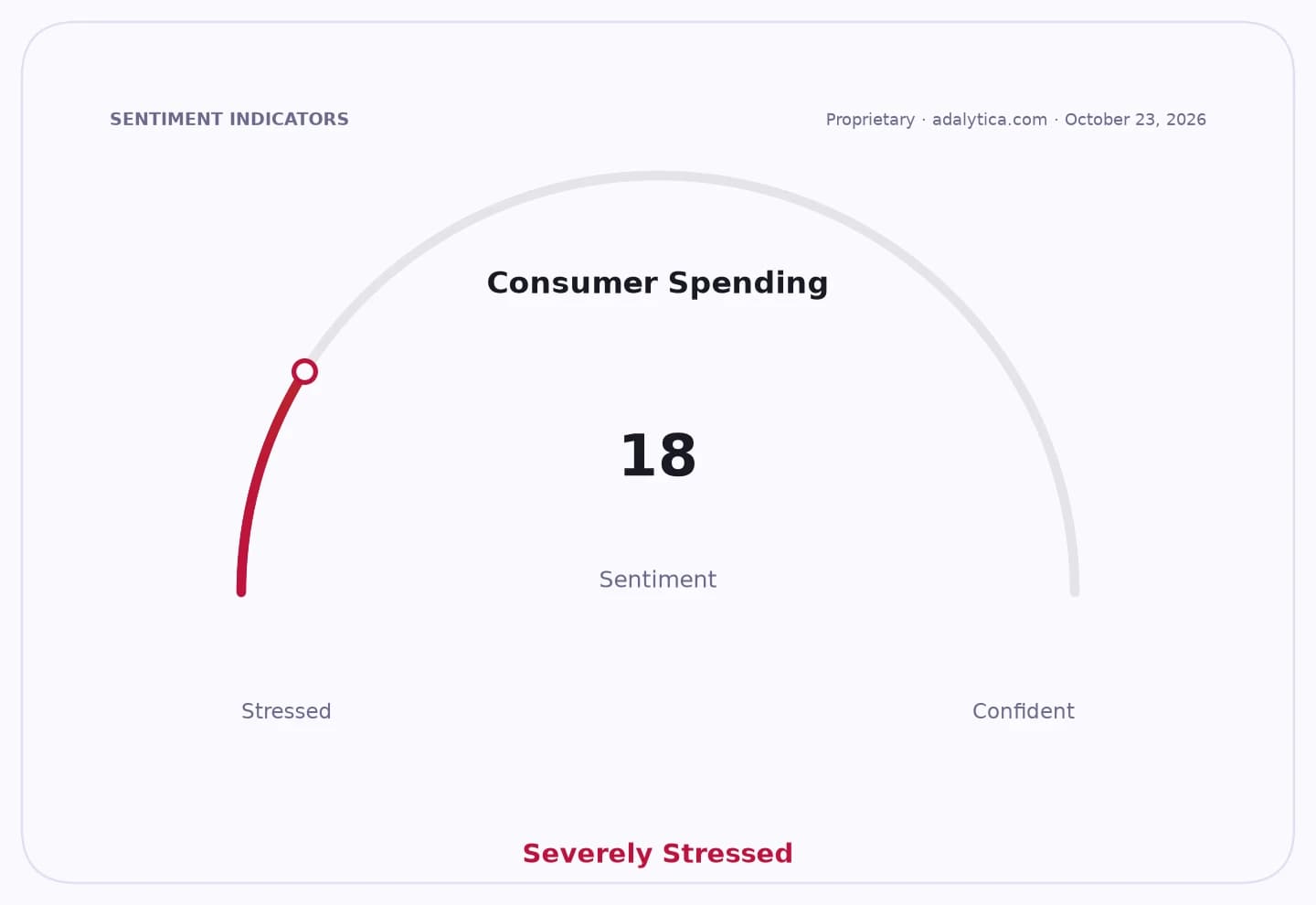
Sentiment IndicatorsⓘProprietary · adalytica.com · October 23, 2026
This is a snapshot — live sentiment, awareness and momentum for 130+ markets update continuously in the dashboard.Open AlphaPulse
In Indonesia, a survey cited by academia suggests many respondents spend about Rp500,000 to Rp1 million a month on hobbies and nostalgia purchases. That may sound modest at the individual level, but multiplied across a broad base of buyers, it points to a durable addressable market for collectibles, licensed merchandise, comics, figures and experiential entertainment. The bigger point for investors is that this is not just about toys — it is about monetizing emotional consumption, where margins can be better than in commodity retail because buyers are paying for scarcity, fandom and brand attachment.
The stock market has already started to tell part of this story. Funko, the pop-culture collectibles maker, has been crushed to $6.80 from the low double digits, with its 50-day moving average now far above the share price and RSI readings deeply oversold, suggesting the market has priced in a severe earnings reset. By contrast, Mattel has recovered to $16.57 after a brutal midyear slump, while still trading only modestly above its 200-day moving average. Hasbro looks like the clearest winner so far: its shares jumped to $117.58, with the stock far above both its 50-day and 200-day moving averages and RSI readings in overbought territory, a sign investors are already rewarding exposure to branded play and licensing.
That divergence matters. The market is separating businesses with durable intellectual property and broad brand power from those dependent on narrower collector demand. Hasbro and Mattel can use nostalgia, licensing and cross-generational fandom to defend pricing and expand into higher-value experiences, while Funko remains more vulnerable to inventory swings and demand normalization. If the kidult economy keeps expanding, the real winners may not be the cheapest toy sellers, but the companies that own the characters, franchises and retail ecosystems adults are willing to pay for repeatedly.
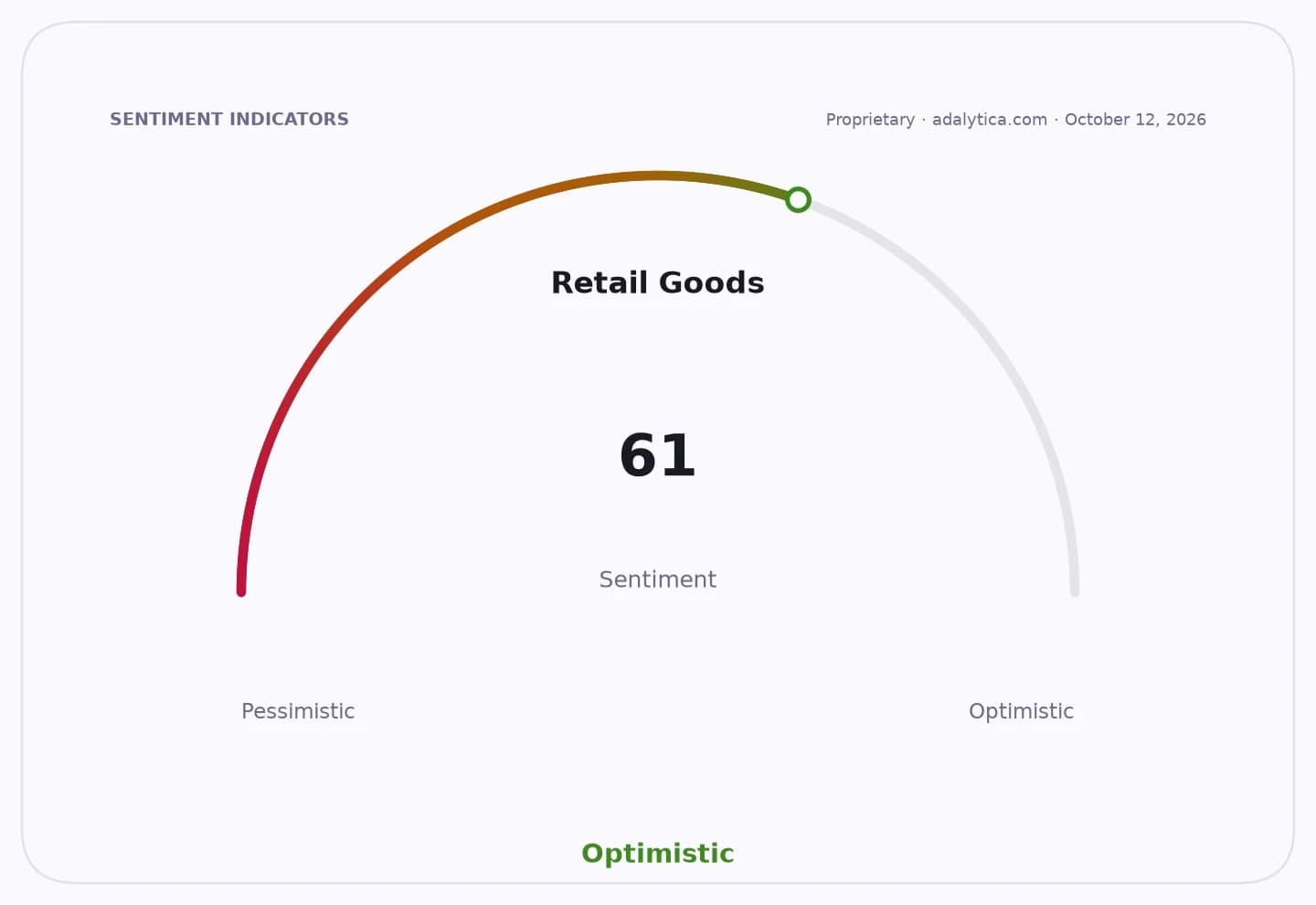
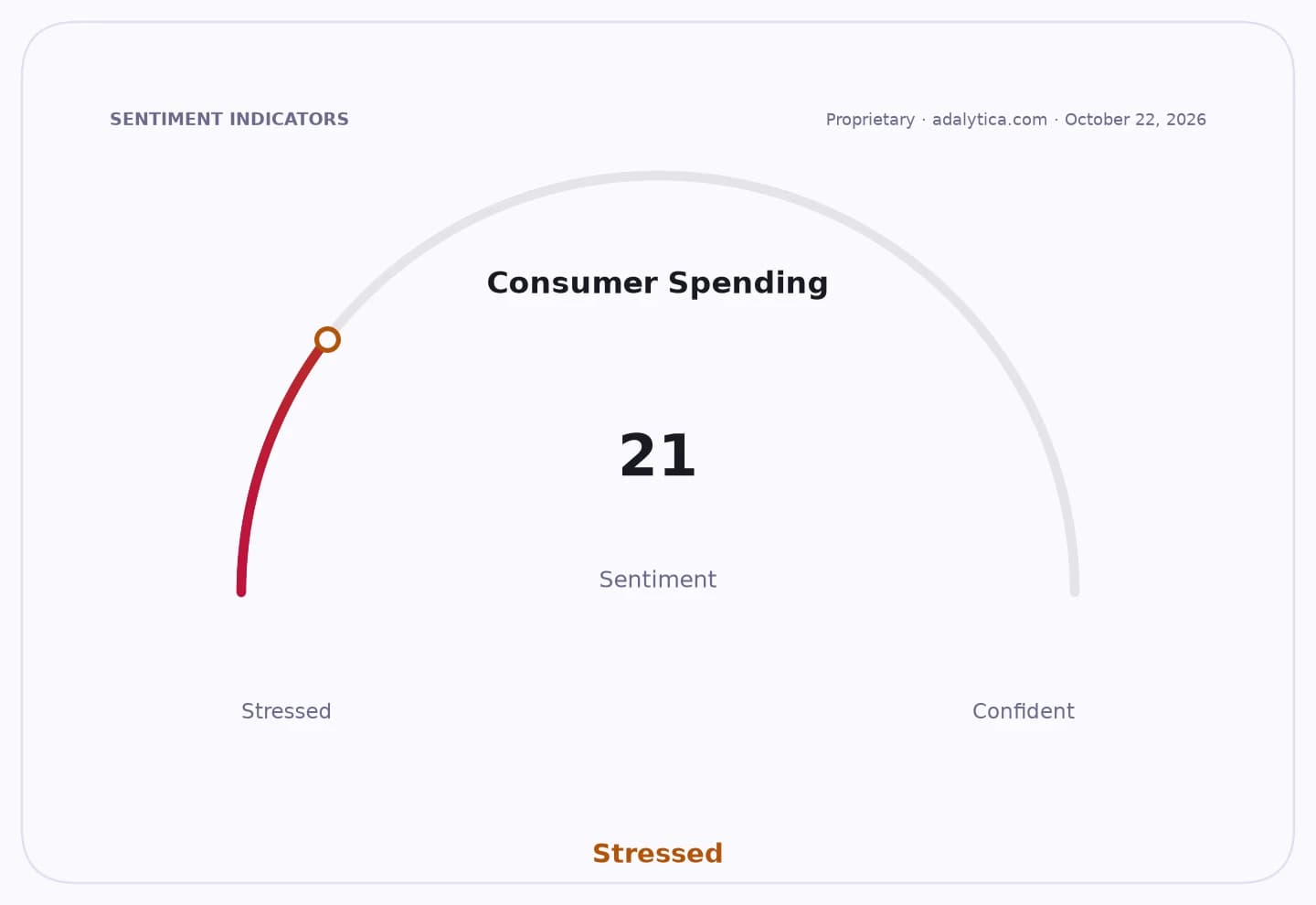
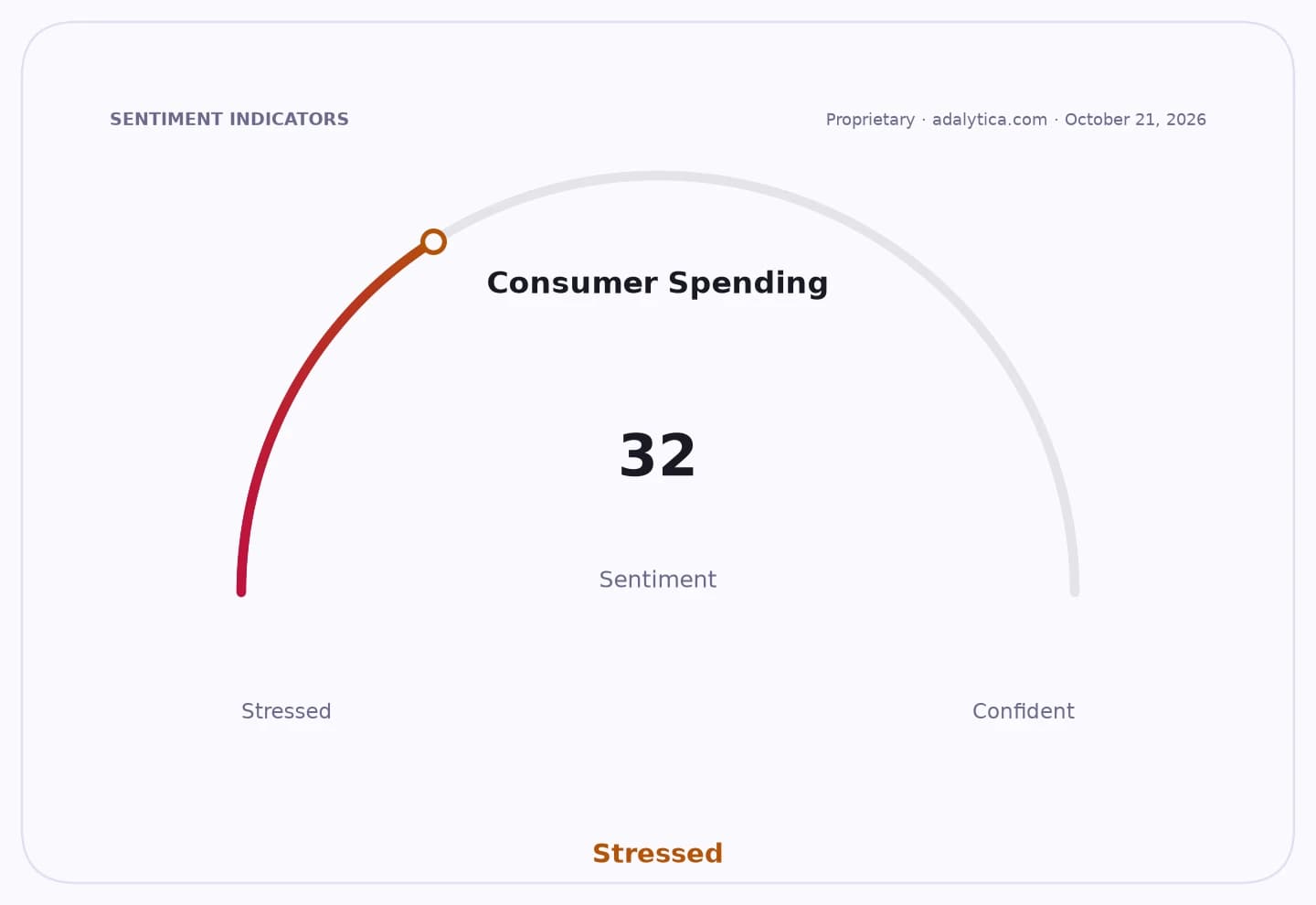
There is also a broader macro angle the market may be underestimating. In a world of tighter budgets, higher stress and slower growth, small luxury purchases often prove surprisingly sticky — the same logic behind the lipstick effect. Adults may postpone big-ticket spending, but they still reward themselves with collectables and nostalgia goods. That gives the category a defensive quality even when consumer confidence weakens, which helps explain why consumer-spending sentiment remains fragile overall while retail-goods sentiment is still positive.
For investors, the asymmetric opportunity is in the picks-and-shovels of nostalgia commerce: licensing-heavy toy makers, entertainment firms with deep character libraries, and retailers that can turn fandom into recurring purchases. The kidult economy is not a fad if demographics keep shifting and stress-driven spending stays elevated. The market is still pricing it like a novelty, but the underlying demand profile looks more like a secular consumer upgrade cycle.
| Entity | Gains | Losses |
|---|---|---|
| Hasbro (HAS) | ▲premium branding power | ▼commodity toy pricing |
| Mattel (MAT) | ▲nostalgia-led demand | ▼child-only demand model |
| Funko (FUN) | ▲collector relevance | ▼weak momentum, oversupply |
| Consumers seeking self-reward | ▲emotional spending outlet | ▼household budgets |