Disney is leaning harder on its most valuable asset — its catalog of franchise characters — as it tries to extend a century-old entertainment model into the age of streaming and AI.
Disney Franchise Strategy, AI Plans, and Stock Recovery
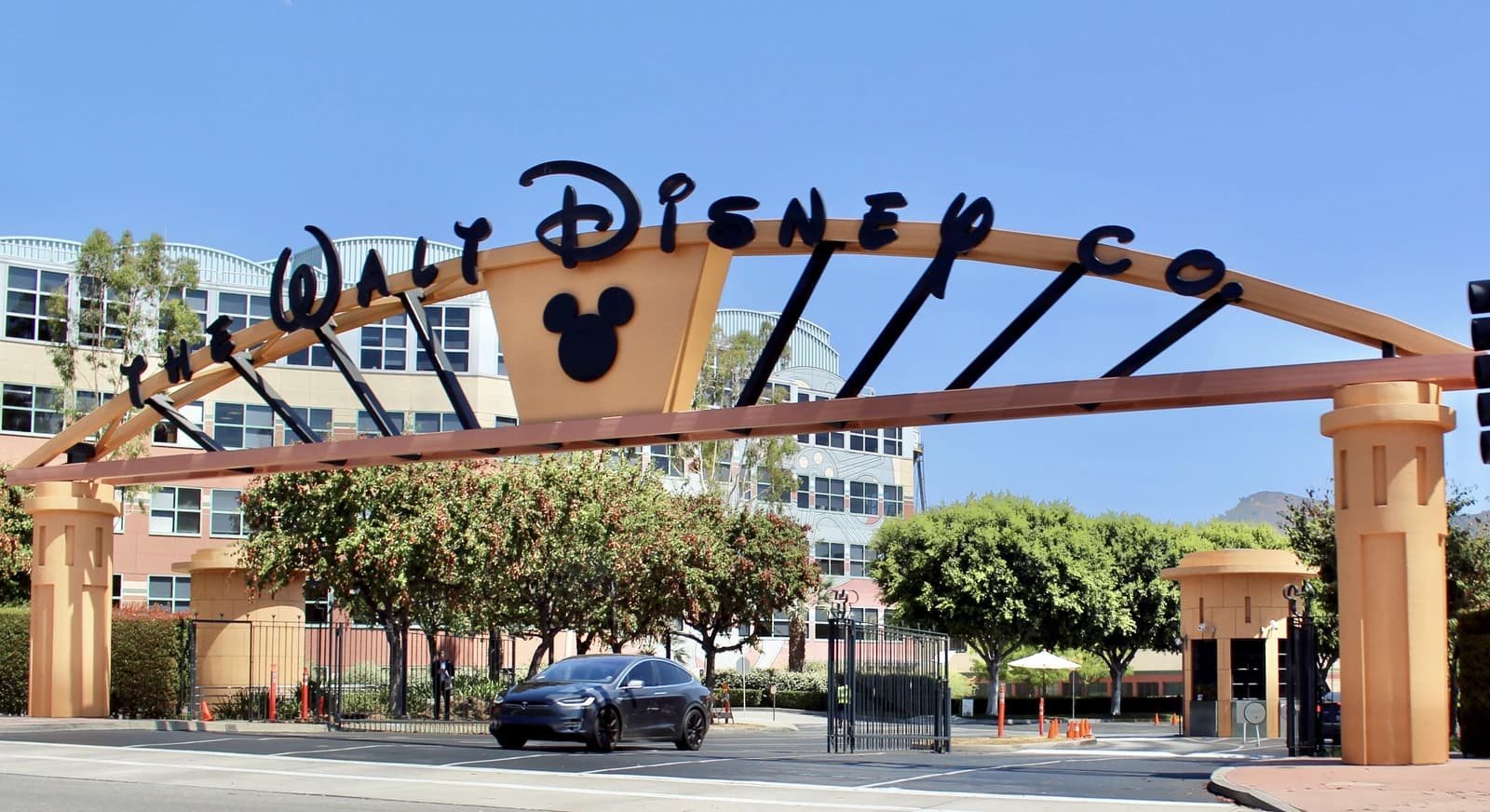
That matters because Walt Disney Co. is no longer just selling tickets, toys and TV rights; it is defending a global intellectual-property machine that must keep producing hits to justify its premium valuation. With new “Toy Story,” “Frozen” and “Zootopia” films in the pipeline, plus a Disney+ adaptation of a romance novel and a reported $20 million bid for Character.AI technology, the company is signaling that the next phase of growth will come from blending legacy franchises with digital distribution and interactive tools.

For investors, the setup is straightforward: Disney’s value still depends on whether its branded content can keep driving subscriber engagement, licensing revenue and park demand while the company spends aggressively to stay relevant in streaming. The market has been willing to reward the company when execution improves, and Disney shares have recovered to around $110.59, above both the 50-day moving average of $106.11 and the 200-day moving average of $103.10, with RSI at 68.2 indicating momentum has rebuilt after earlier weakness.
The bigger story is that Disney is entering a capital-light but competition-heavy phase of growth. The company does not need to invent a new business model; it needs to keep monetizing old ones more efficiently. That is why franchise sequencing matters so much. Sequels and spinoffs remain the surest way to reduce box-office risk, feed Disney+, support consumer products and keep the company’s characters culturally dominant. In an attention economy where audience loyalty is fragmented, familiarity is a moat.

The potential Character.AI deal is more than a side note. If Disney wants to create more personalized, interactive experiences around its characters, then AI becomes a strategic layer, not just a cost tool. That could eventually deepen engagement across streaming, theme parks and consumer products. But it also introduces risk: the company would be buying technology that comes with reputational baggage and regulatory scrutiny. Even so, the market underestimates how valuable conversational AI could become for a company whose crown jewels are intellectual property and fan relationships.
The technical picture suggests investors are already warming to that thesis. Disney’s shares have climbed back above key trend levels after a volatile year, and the move toward the upper end of the Bollinger Band range shows traders are testing whether the company can turn content investment into more consistent earnings power. If Disney can keep its franchise engine running while using AI to make its ecosystem more interactive, the next leg higher could come not from one blockbuster, but from a longer re-rating of the entire Disney platform.
For long-term investors, the opportunity is to own the toll road, not chase the next movie release. Disney remains one of the few global media companies with enough scale, brand equity and distribution reach to convert nostalgia into recurring cash flow. The question is no longer whether Mickey Mouse still matters; it is whether Disney can keep turning that legacy into modern monetization. Right now, that looks like the investable thesis.
| Entity | Gains | Losses |
|---|---|---|
| Disney | ▲Franchise monetization | ▼Content execution misses |
| Disney+ | ▲Fresh subscriber engagement | ▼Churn if releases disappoint |
| AI content tools | ▲Deeper fan interaction | ▼Regulatory and reputational risk |
| Rival streamers | ▲None | ▼Share of audience and franchises |