Indonesia’s state logistics agency has moved to absorb 251,799 tons of corn so far this year, a direct intervention that is meant to keep farm-gate prices above the government’s purchase floor and prevent harvest-time distress selling.
Indonesia Bulog Buys 251,799 Tons of Corn
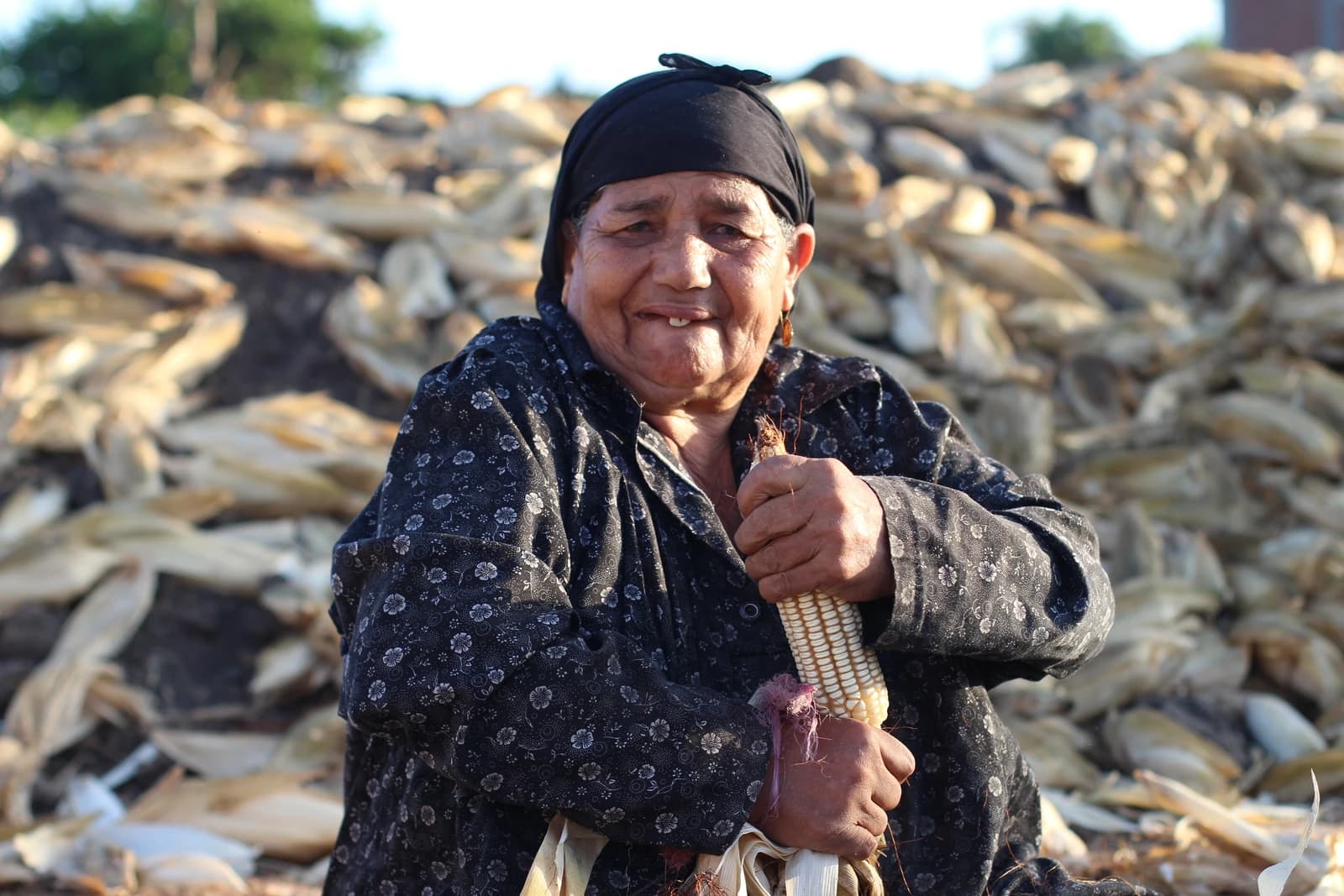
That matters because corn is not just a farm commodity in Indonesia; it is a key input for poultry feed, food inflation and rural incomes. When Bulog steps in at scale, the government is effectively using its balance sheet to support producer prices, stabilise farmer cash flow and reduce the risk that a bumper harvest turns into a price collapse. For investors, the signal is that Jakarta is prioritising food-price management and farm protection, even if that means tighter supply channels and higher intervention costs.
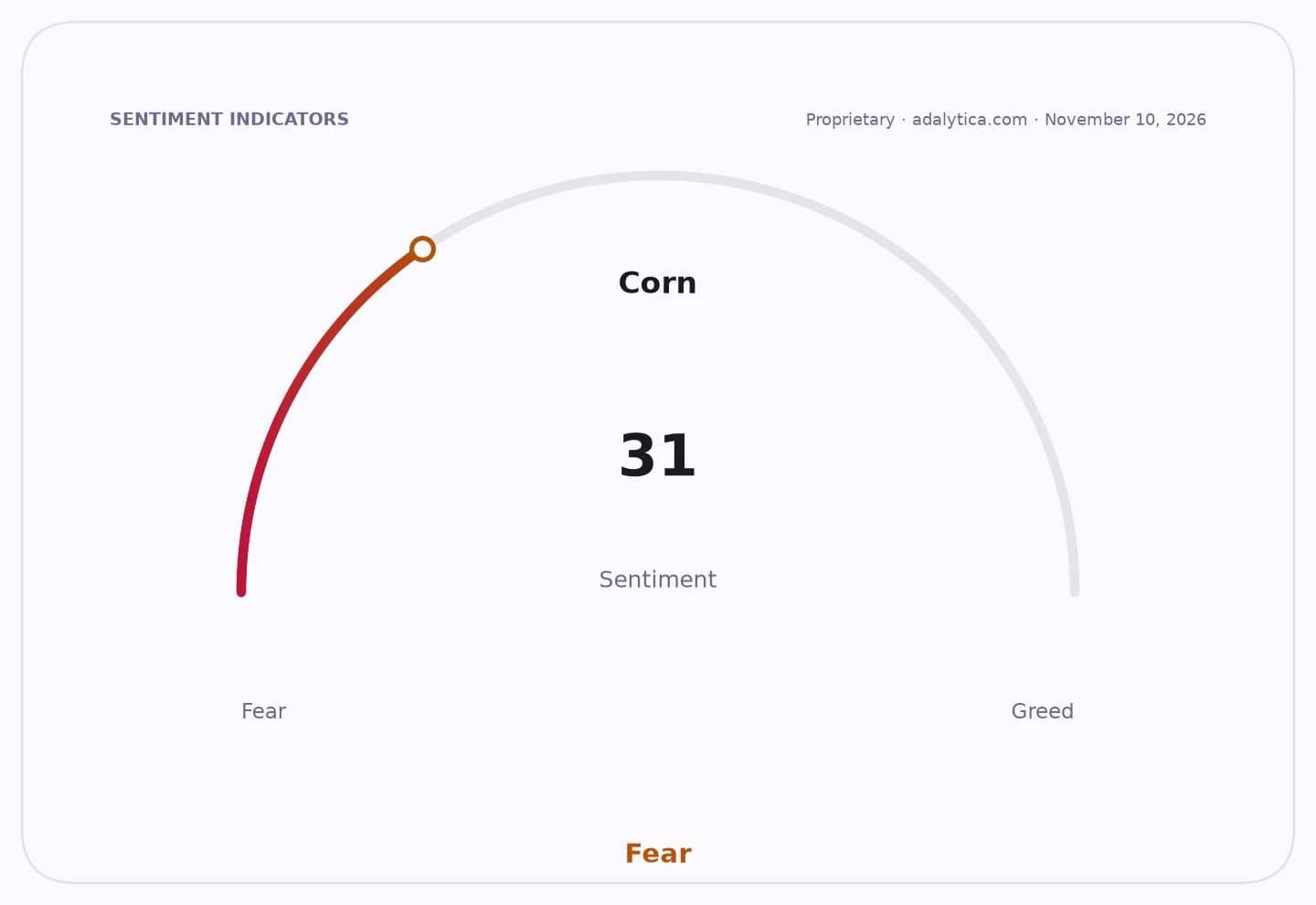
Sentiment Indicators
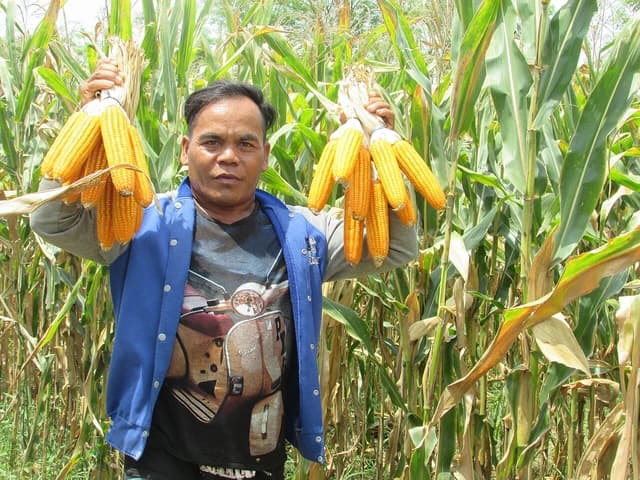
Agriculture Minister and National Food Agency chief Andi Amran Sulaiman said the government does not want farmers to take losses at harvest and has ordered Bulog to speed up purchases, especially in major producing regions. Bulog said national corn procurement reached 251,799 tons through Nov. 17, with 9,347 tons bought in the third week of November alone across 25 collection points.
The heaviest buying has been concentrated in Sulawesi Utara and Gorontalo, where Bulog has taken in 5,183 tons, backed by 72 partners and farmer groups. Those provinces alone are expected to produce around 1.39 million tons of corn in 2026, suggesting the state has room to expand its role if prices weaken further.
The policy has a clear economic logic: support the producer price, preserve farmer margins and keep rural spending from being squeezed at the worst possible point in the harvest cycle. That also helps Jakarta reinforce its broader food-security agenda, which increasingly relies on direct procurement rather than leaving prices entirely to the market.
For investors, the immediate takeaway is that Indonesia is putting a floor under domestic corn, which can support rural purchasing power but may also limit downside in related food-supply chains. The bigger opportunity sits with the infrastructure and logistics needed to execute that policy — storage, transport, distribution and partner networks — while the risk falls on buyers and processors that depend on cheaper raw grain.
The commodity backdrop makes the intervention more important. U.S. consumer prices have remained elevated, and corn futures have been volatile, with the nearby contract recently trading below its 50-day average and near the lower end of its recent range. In that environment, government stockpiling and price defense can have a bigger impact on local market balance than a normal harvest season.
Bulog is also pairing corn buying with rice assistance for October through December, underscoring that food policy is now being used as both an inflation buffer and a political stabiliser. If procurement remains aggressive into year-end, the market should expect firmer farm prices, stronger state involvement and fewer opportunities for aggressive buyers to force distress pricing at the farm gate.
| Entity | Gains | Losses |
|---|---|---|
| Indonesian corn farmers | ▲Price support | ▼Distress selling |
| Bulog / government | ▲Food-price control | ▼Procurement burden |
| Feed buyers / processors | ▲Supply stability | ▼Lower price leverage |
| Rural communities | ▲Better farm income | ▼ |