Bulog’s Batam unit has begun distributing rice aid to 92,035 recipients in Batam and Karimun, a year-end move aimed at cushioning household spending and supporting food-price stability ahead of the Christmas and New Year period.
Bulog Begins Rice Aid Distribution in Batam and Karimun
The program covers 71,193 beneficiaries in Batam and 20,842 in Karimun, with each recipient slated to get 30 kilograms of rice for the October-December allocation, or 10 kilograms a month. Bulog said deliveries had already started in several neighborhoods and that it aims to complete distribution by Dec. 31.
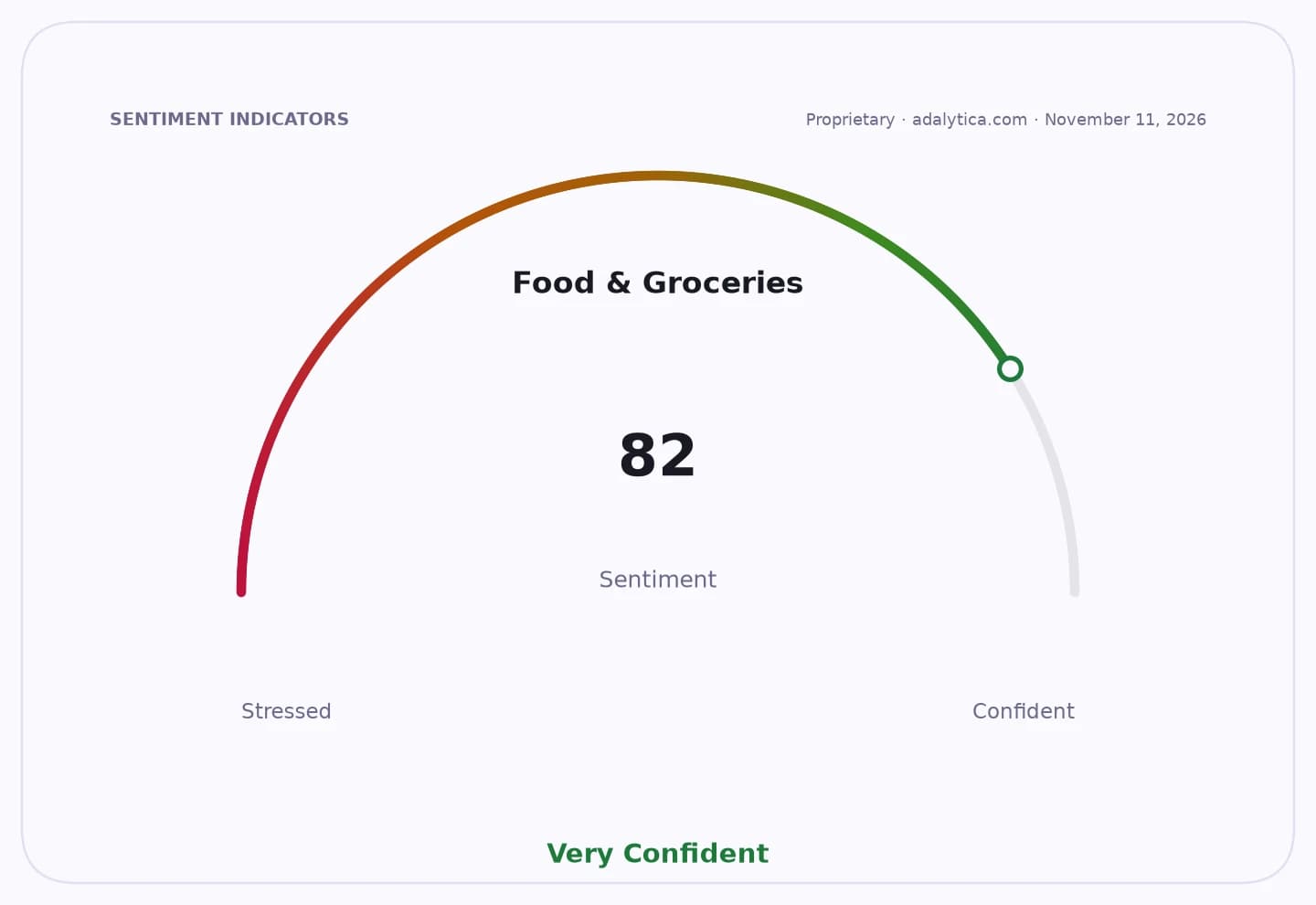
Sentiment Indicators
The aid matters economically because rice remains one of Indonesia’s most sensitive staples: when prices rise, the impact is felt quickly in inflation readings, real wages and consumer sentiment. A targeted distribution to more than 92,000 people in Riau Islands is designed to reduce pressure on lower-income households while helping local authorities contain volatility in a staple market that can move sharply around peak demand periods and supply bottlenecks.
For investors, the bigger signal is that the government is still relying on Bulog as a frontline policy tool to stabilize food inflation and preserve purchasing power. That matters for consumer discretionary demand, retail traffic and the broader inflation outlook, especially when households are already balancing higher living costs. Stable rice prices also help reduce the risk of a sharper policy response from Bank Indonesia if food inflation accelerates.
Bulog said the year-end package follows earlier distribution rounds in February-March and July-September and is intended to improve execution after lessons from prior shipments. The agency highlighted three recurring challenges: speeding up delivery, ensuring recipient data are accurate and coordinating more effectively with local governments.
The Batam-Karimun area presents a logistical test because of its island geography, which raises transport costs and complicates last-mile delivery. That makes the program more than a simple welfare transfer: it is also a test of state logistics in a region where delays can quickly undermine the policy’s inflation-buffering role.
The timing also aligns with Jakarta’s broader effort to keep rice supplies calm into year-end, after repeated reassurances from officials that stocks remain sufficient. For markets, the key question is whether the distribution network can stay ahead of holiday demand without fresh price spikes. If it can, it supports the view that food inflation will remain manageable; if it cannot, the pressure shifts back to consumers, retailers and policymakers.
| Entity | Gains | Losses |
|---|---|---|
| Low-income households | ▲Lower food costs | ▼None |
| Bulog / government | ▲Better price stability | ▼Higher distribution burden |
| Retail consumers | ▲Easier spending pressure | ▼Less direct benefit if not recipients |
| Private rice sellers | ▲Stable demand environment | ▼Pricing power capped |