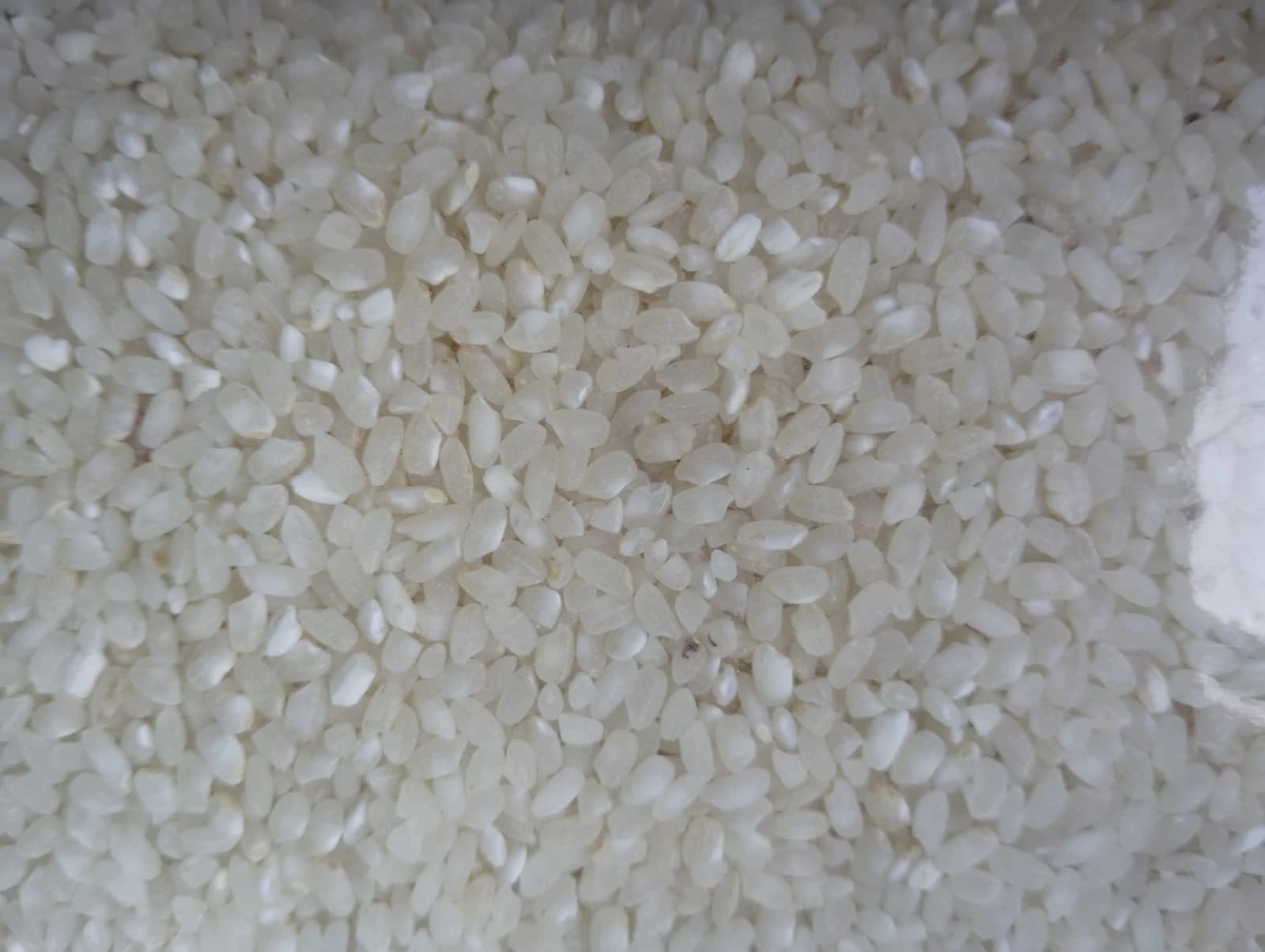
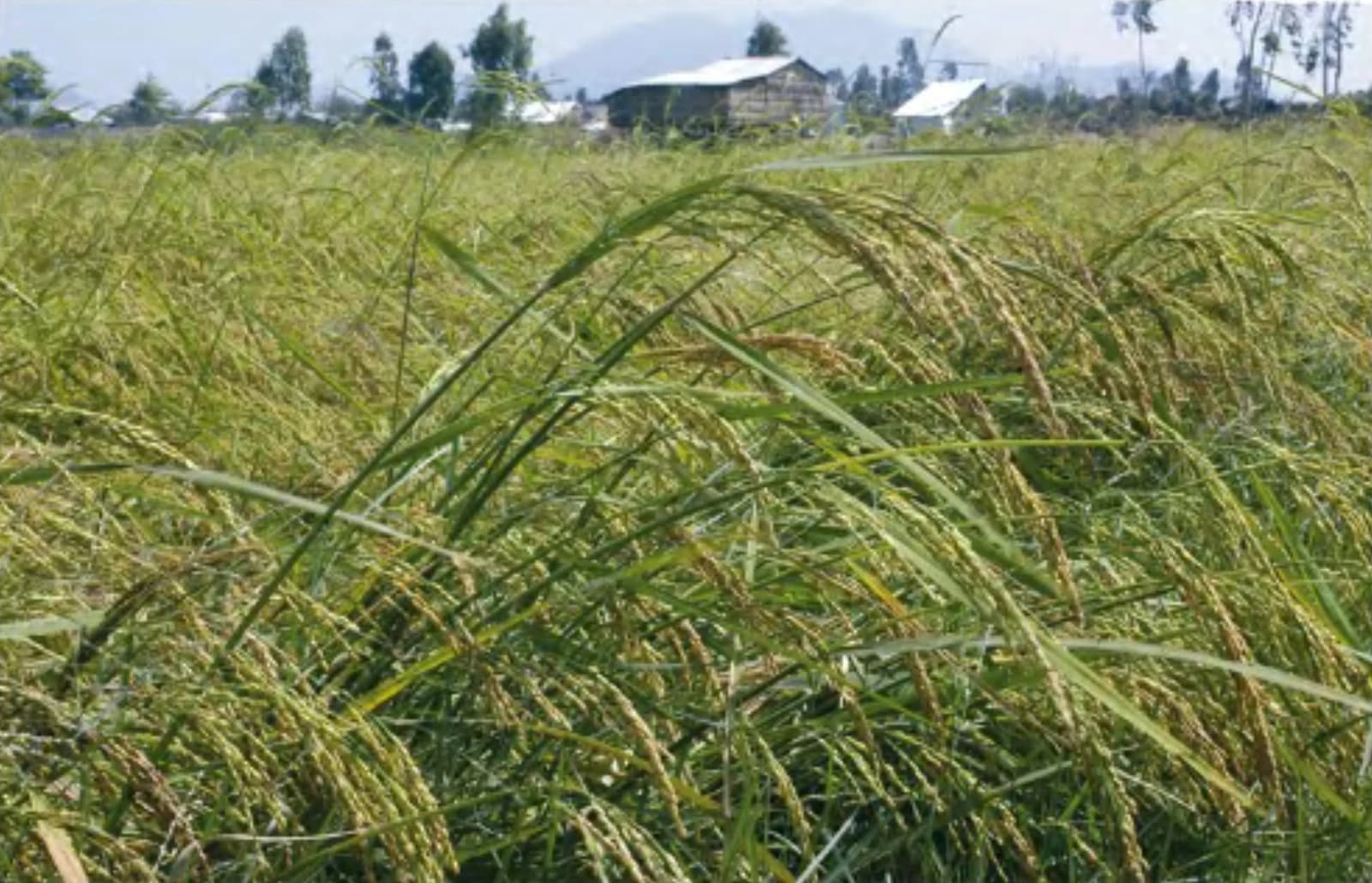
Rice prices in Indonesia remain elevated even though Bulog says it is holding about 4.5 million tons of stock, underscoring a distribution and market-control problem that is becoming a political risk ahead of the year-end holiday season and next year’s major Muslim festivals.
Indonesia rice prices stay high despite Bulog stock
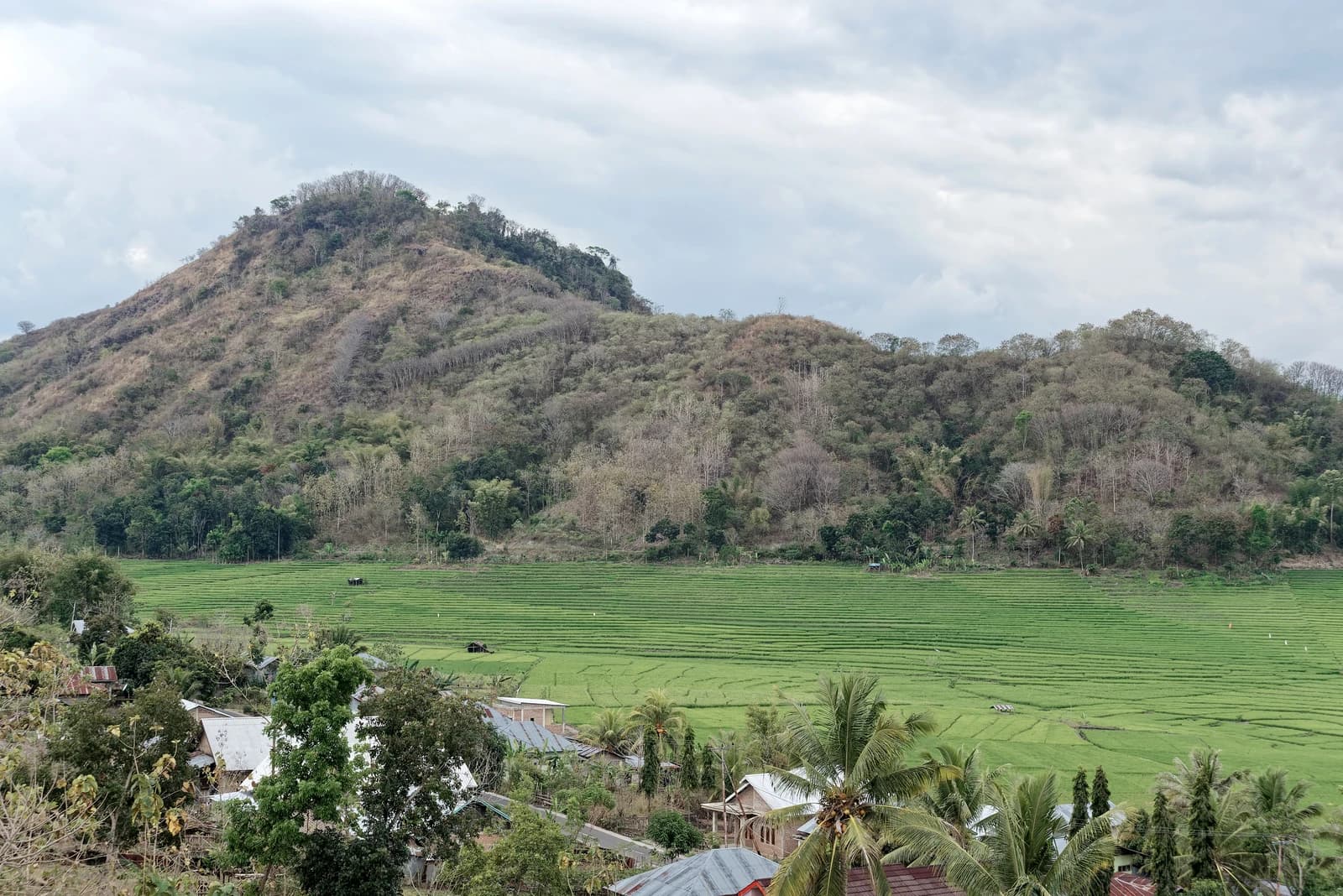
Bulog chief Ahmad Rizal Ramdhani said El Nino had cut output not only in Indonesia but across Asia and ASEAN, helping keep regional rice prices firm. The company argues that Indonesia’s government rice reserves are still the largest in Southeast Asia, far above Myanmar’s roughly 800,000 tons, Vietnam’s 500,000 tons and Malaysia’s 200,000 tons.
Sentiment Indicators
The problem is that abundant national stock has not translated into cheaper rice in many local markets. Data from Indonesia’s statistics agency showed rice-price increases in 84 regencies and cities through the first week of November, with the sharpest gains in Rote Ndao, Kepulauan Tanimbar and South Bolaang Mongondow. The highest average price was recorded in Papua Pegunungan at Rp32,276 a kilogram, more than double prices in cheaper markets such as Banten and West Java.
That gap matters economically because rice is Indonesia’s most sensitive staple, feeding directly into headline inflation and household spending power. When a basic food item stays expensive despite large government inventories, the issue shifts from supply adequacy to execution: whether reserves can be released fast enough, and targeted well enough, to stop regional shortages and prevent traders from exploiting bottlenecks.
For investors, the immediate implication is not a direct stock-market catalyst but a macro one. Persistent rice inflation can delay disinflation, pressure consumer purchasing power and complicate Bank Indonesia’s policy path if food prices keep volatility elevated. It also raises the odds of heavier state intervention, including tighter market supervision, more aggressive Bulog releases and enforcement against hoarding or speculative pricing.
Bulog said it has formed a joint task force with the food crime unit to review about 370 complaints and act by province and district after verification. The company also said it aims to keep stocks at least around 3 million tons by year-end, leaving a sizable buffer but also highlighting how much supply still must be moved through a fragmented archipelago.
The next test is whether Bulog can convert inventory into retail price relief before demand peaks into Christmas and New Year, and then again into Ramadan and Idulfitri. If prices stay elevated even with that stockpile, the market will conclude that Indonesia’s rice problem is less about scarcity than about distribution, enforcement and local market power.
| Entity | Gains | Losses |
|---|---|---|
| Bulog | ▲Justifies intervention role | ▼Faces scrutiny over execution |
| Consumers | ▲Potential supply support | ▼Higher grocery bills |
| Traders/Hoarders | ▲Short-term pricing power | ▼Tighter enforcement risk |
| Indonesia policymakers | ▲Bigger control over food inflation | ▼More pressure to act fast |