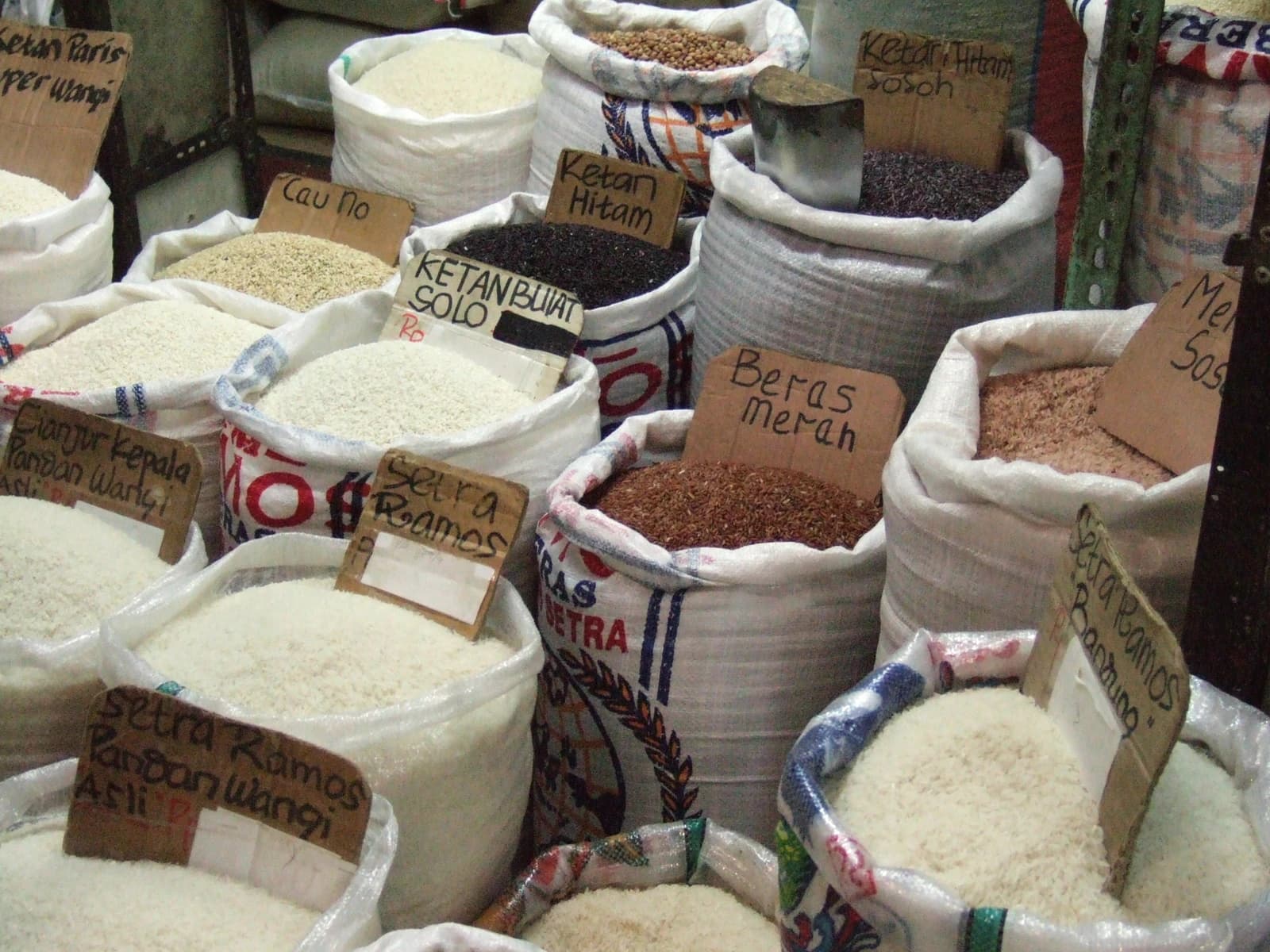
Indonesia’s rice crackdown is turning into a broader market intervention, with the agriculture minister saying 13 people have been named suspects in eight rice-related cases involving 15 brands, a signal that the government is prepared to hit fraud in the country’s most politically sensitive staple far harder than many traders had expected.
Indonesia Rice Crackdown Expands to 13 Suspects
That matters because rice is not just another consumer good in Indonesia. It is a subsidized, tightly managed food item that sits at the intersection of inflation control, farmer income protection and household affordability. When branded rice is mixed, relabeled or sold above the government’s ceiling price, the damage spreads quickly: consumers pay more, legitimate millers get undercut and the state’s effort to stabilize food prices loses credibility.
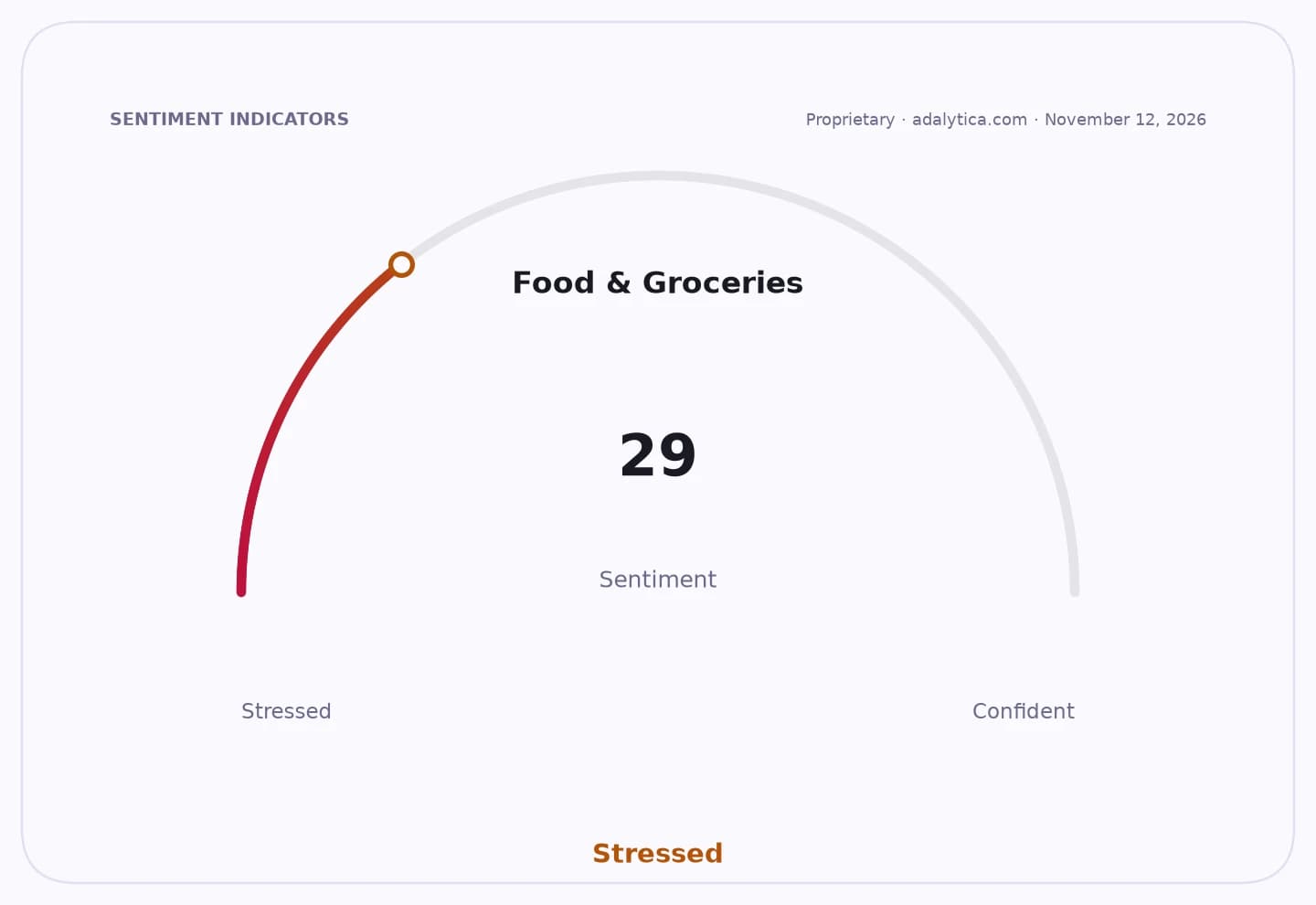
Sentiment Indicators
Agriculture Minister Andi Amran Sulaiman said enforcement would continue until the full chain of violations is exposed, warning that businesses manipulating subsidized rice would face license revocations and criminal penalties of up to seven years in prison and fines as high as 1.5 billion rupiah. He also said the government has received 340 public complaints in about two weeks through its “Lapor Pak Amran” channel, showing how quickly the issue has become a flashpoint for consumers and small businesses alike.
The scale of the investigation is what makes this story market-relevant. Authorities have already widened scrutiny of fortified rice and found repeated quality breaches, with lab tests in 11 provinces covering 190 samples from 27 brands. In September, the government ordered product recalls, license action and legal steps against violators, then moved on to a separate probe of producer PT DTA and a later raid on PT UDS in North Sumatra, where more than 15 tons of rice and production equipment were seized. Early this month, regulators also imposed a temporary moratorium on new distribution permits for fortified rice, tightening the screws on a segment that had been expanding under a public-health and policy umbrella.
For investors, the immediate read-through is not just regulatory risk but margin compression across the rice value chain. Any company dependent on branded packaged rice, distribution licenses or fortification claims now faces higher compliance costs, slower approvals and greater probability of raids, recalls or reputational damage. Traders and millers that relied on pricing power may find that room closing fast as the government forces prices back toward official levels.
The bigger investment implication is that Indonesia is prioritizing food integrity over short-term commercial flexibility, and that usually favors the state, compliant operators and consumers over opportunistic middlemen. If enforcement stays aggressive, the winners are transparent processors, traceable distribution networks and firms with strong compliance systems. The losers are opaque traders, violators of the ceiling price and anyone betting that rice remains a loosely policed, easy-margin commodity.
The crackdown is unlikely to end with the 13 suspects named on Sunday. With more complaints flowing in and the government openly framing this as a fight against “mafia pangan,” the rice market looks set for tighter oversight, more seizures and potentially a permanent reset in how branded and fortified rice is priced, distributed and sold in Indonesia. For investors, the message is clear: in a market this politically charged, regulatory risk is now the dominant cost of doing business.
| Entity | Gains | Losses |
|---|---|---|
| Compliant rice producers | ▲cleaner market share | ▼less room for price abuse |
| Consumers | ▲lower fraud risk | ▼short-term market disruption |
| Government regulators | ▲stronger control | ▼higher enforcement burden |
| Violating traders/millers | ▲none | ▼raids, recalls, penalties |