Indonesia’s state food agency BULOG said it has kept national rice distribution and price stability intact after absorbing about 4.3 million tons of paddy equivalent this year and lifting stockpiles to around 5.4 million tons in early October, one of the company’s biggest inventories on record.
Indonesia BULOG rice stocks hit 5.4 million tons
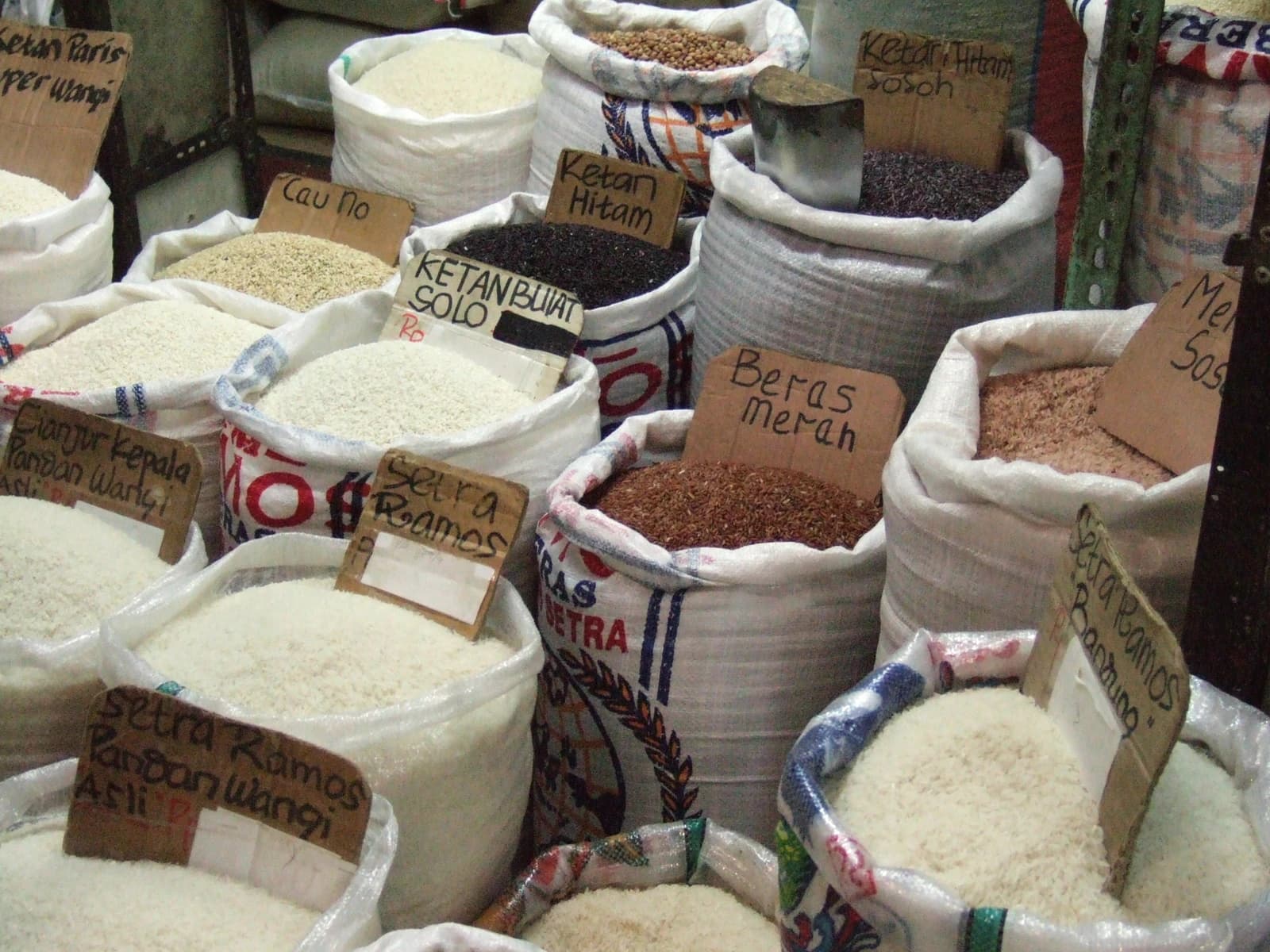
That matters because BULOG sits at the center of Jakarta’s food-security strategy: when rice supply tightens or prices jump, the agency is the main buffer between farmers, consumers and the market. A stockpile of that size gives the government more room to release rice if prices rise, intervene after weather shocks and keep the supply chain moving without relying as heavily on imports at a time of volatile global grain markets and climate pressure.
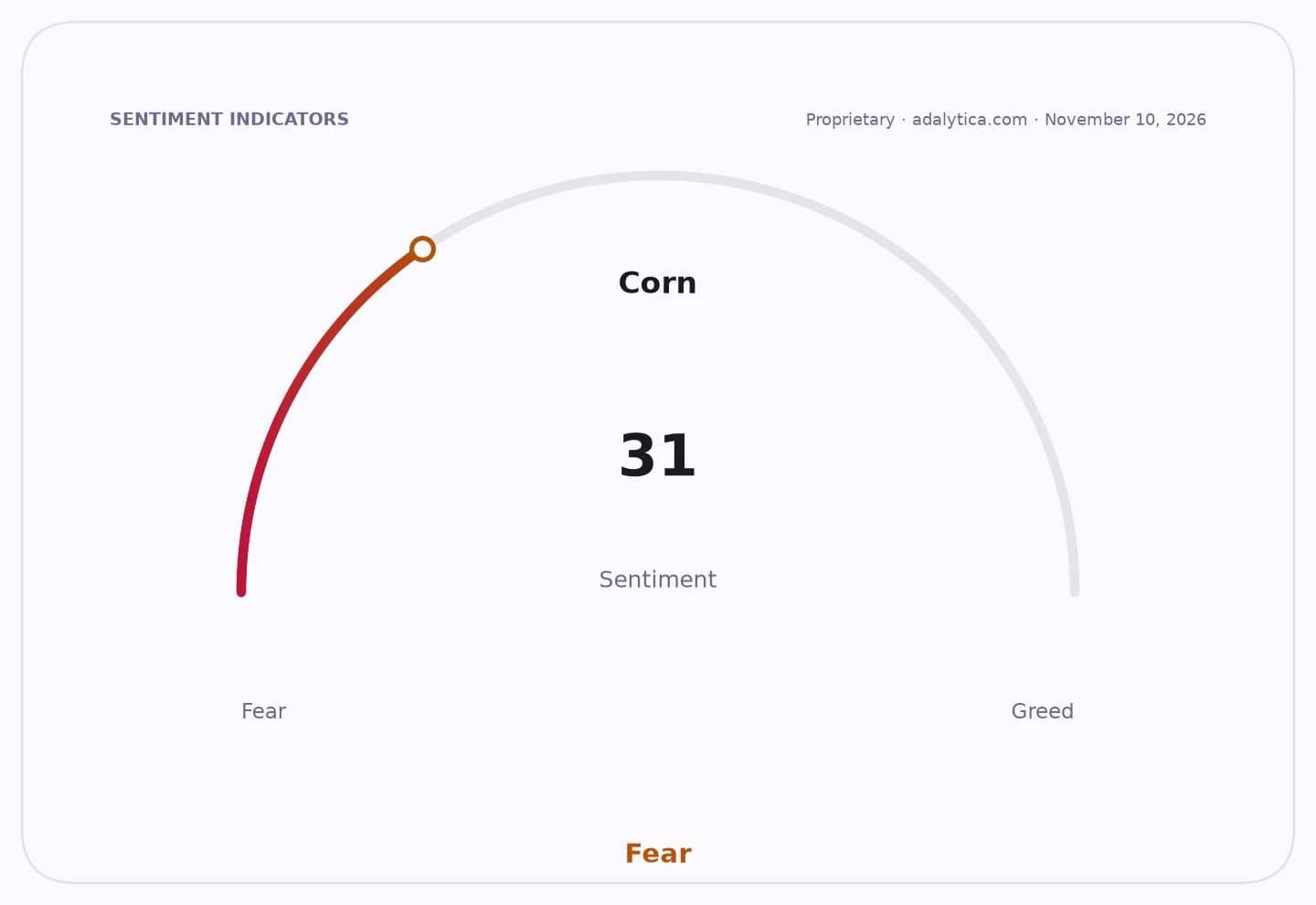
Sentiment Indicators
The achievement also supports farm incomes, at least in the short term, because it shows BULOG was able to buy enough domestic harvest to exceed the government’s target. For farmers, that can mean a more reliable buyer and firmer prices. For households, it increases the odds that retail rice prices remain contained even as food inflation stays a sensitive issue in Southeast Asia’s largest economy.
The broader macro backdrop helps explain why the numbers matter. Indonesia is dealing with an environment in which consumer prices remain elevated by historical standards and food costs have been a recurring political and economic concern. The same is true globally: agricultural commodity markets have been vulnerable to weather disruptions, shipping risk and tighter supply-demand balances, making buffer stocks more valuable than usual.
For investors, the story is less about BULOG as a listed name than about the policy backdrop for Indonesian staples, agribusinesses and consumer spending. Effective rice stabilization can support real purchasing power and reduce the risk of food-driven inflation spikes that would otherwise weigh on retailers, manufacturers and the central bank’s policy flexibility. It also underscores the state’s continued willingness to use public institutions to manage strategic commodities, a factor that can shape pricing power across the food chain.
There is a trade-off, however. Large inventories can be a strength when markets are tight, but they also raise execution risks around storage, quality, distribution and fiscal costs if stocks have to be rotated or released at a loss. The key question now is whether BULOG can maintain this level of coverage through the next harvest cycle without distorting market incentives or straining logistics.
For now, the headline is that Indonesia has bought itself a larger cushion. That is supportive for near-term food stability, but the durability of the achievement will depend on the next harvest, domestic demand and how quickly the government decides to deploy its stockpile if prices move higher.
| Entity | Gains | Losses |
|---|---|---|
| BULOG | ▲Stronger policy role | ▼Storage and execution burden |
| Indonesian consumers | ▲More stable rice prices | ▼Less upside from tight market conditions |
| Rice farmers | ▲Reliable state buyer | ▼Potential price cap from interventions |
| Private traders | ▲Clearer supply visibility | ▼Reduced pricing power |