Telangana has moved to directly cap retail rice prices and step up enforcement across the state, a sign that food inflation and trading abuses are now being treated as a consumer-protection issue with broader economic consequences.
Telangana caps retail rice prices and steps up checks
The Civil Supplies Department has set maximum retail prices at Rs 66 a kg for BPT/KNM rice, Rs 74 for RNR/Telangana Sona and Rs 79 for HMT/JSR varieties, while ordering millers and traders to print the prescribed MRP on all 26-kg bags. The policy is aimed at stopping overcharging, but it also amounts to a formal intervention in a staple food market where even modest pricing distortions can hit household budgets quickly.
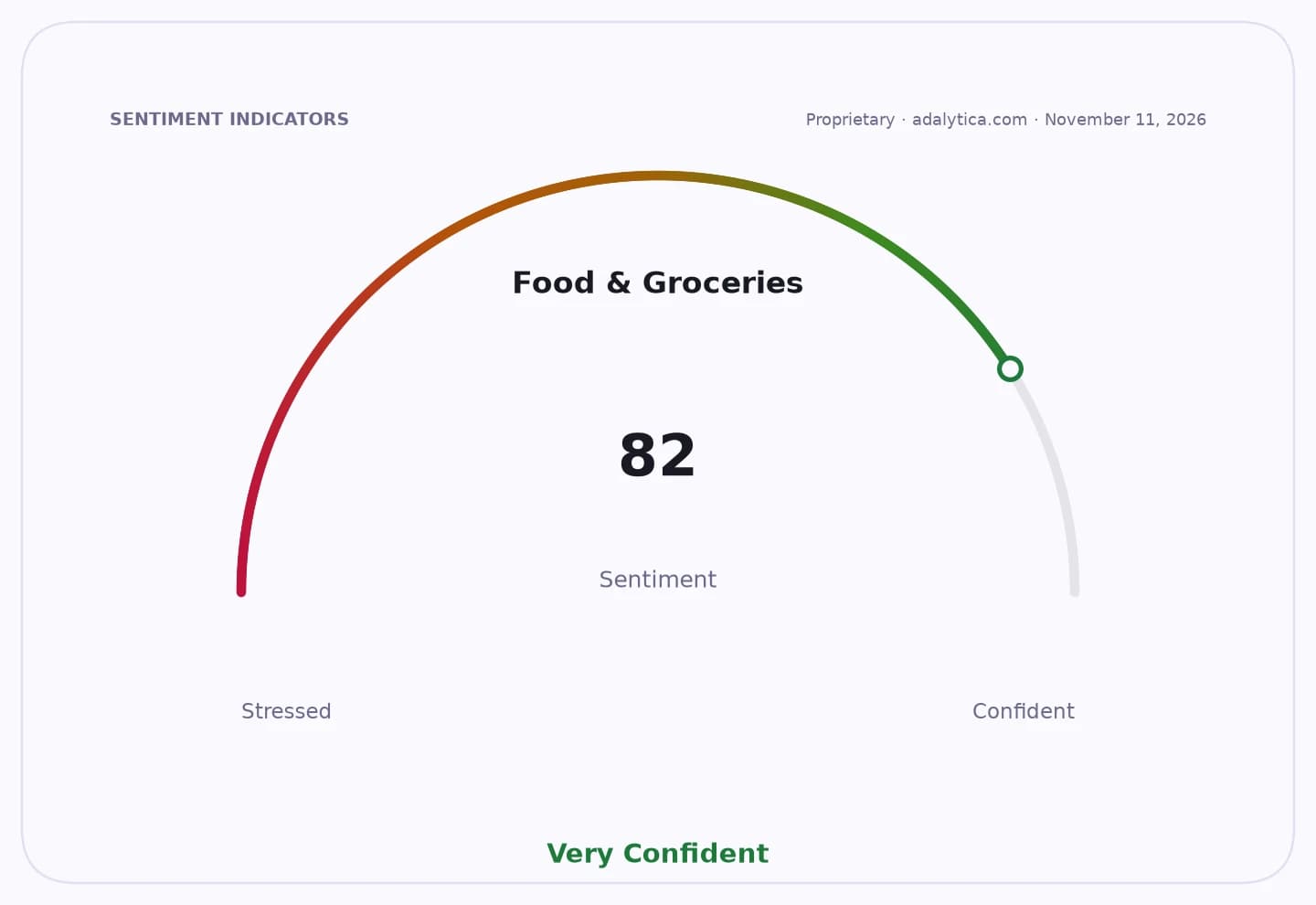
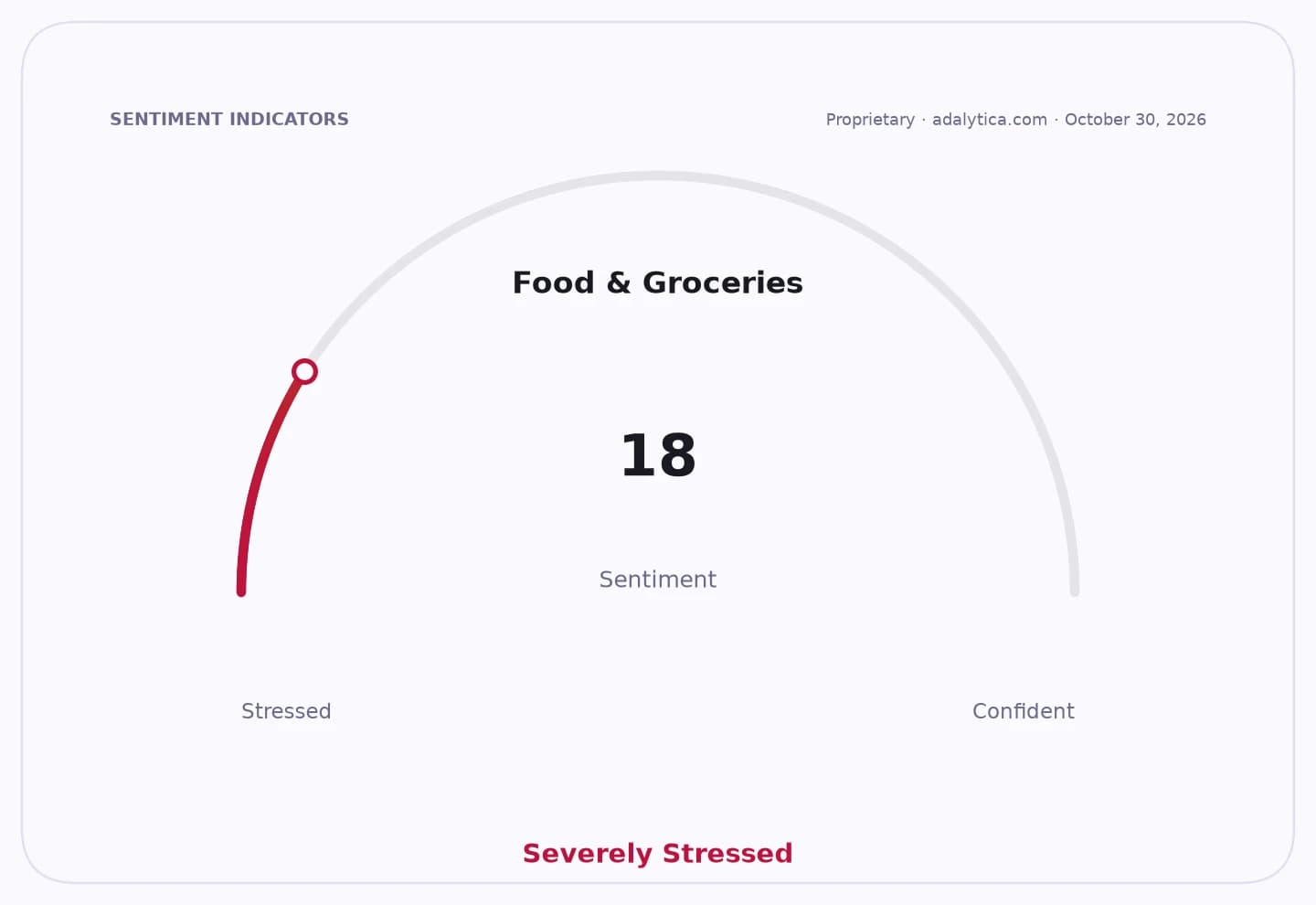
Sentiment Indicators
The crackdown is not symbolic. Between Oct. 29 and Nov. 5, enforcement teams carried out 1,141 surprise inspections at mills, wholesale yards and retail shops, booking 55 cases, including 35 criminal cases. The Legal Metrology Department separately made 1,545 inspections and filed 280 cases. Officials said violations ranged from weight manipulation and higher price stickers pasted over original labels to hoarding of public distribution rice and trading without GST or FSSAI licences.
That matters because rice is a core consumption item in Telangana and much of India, and any artificial scarcity or label fraud can feed through into inflation readings and household purchasing power. The move also suggests the state is worried not just about prices but about market integrity: 26-kg bags being sold with only 25 kg inside points to a margin practice that directly transfers value from consumers to traders. The threat to invoke the Preventive Detention Act against habitual offenders underscores how seriously the government is treating repeat hoarding and market manipulation.
For consumers, the immediate benefit is clearer pricing and a stronger deterrent against overcharging. For traders and millers, the risk is higher compliance costs, tighter scrutiny and legal exposure if inventory, weights or labels do not match. A tougher enforcement regime could also curb opportunistic pricing in a market already sensitive to supply swings, especially if PDS rice is leaking into open markets.
The wider backdrop is a rice market under pressure in parts of Asia, with export prices and domestic availability shifting unevenly. Against that setting, Telangana’s intervention is a reminder that governments are willing to act aggressively when food staples become vulnerable to speculation or distribution failures. The key question now is whether the crackdown restores order without squeezing legitimate traders or simply pushes abuses further into the informal market.
| Entity | Gains | Losses |
|---|---|---|
| Telangana consumers | ▲Lower rice prices | ▼Less exposure to overcharging |
| Honest millers and traders | ▲Clearer rules | ▼Higher compliance burden |
| Violators and hoarders | ▲None | ▼Fines, cases, detention risk |
| State government | ▲Political credit, market control | ▼Enforcement workload |