AI-guided forage planning is emerging as a practical tool for Kazakhstan’s livestock sector, helping farmers preserve more feed at a time when winter supplies, weather volatility and input costs remain central risks for rural producers.
Kazakhstan AI Forage Planning Cuts Feed Losses
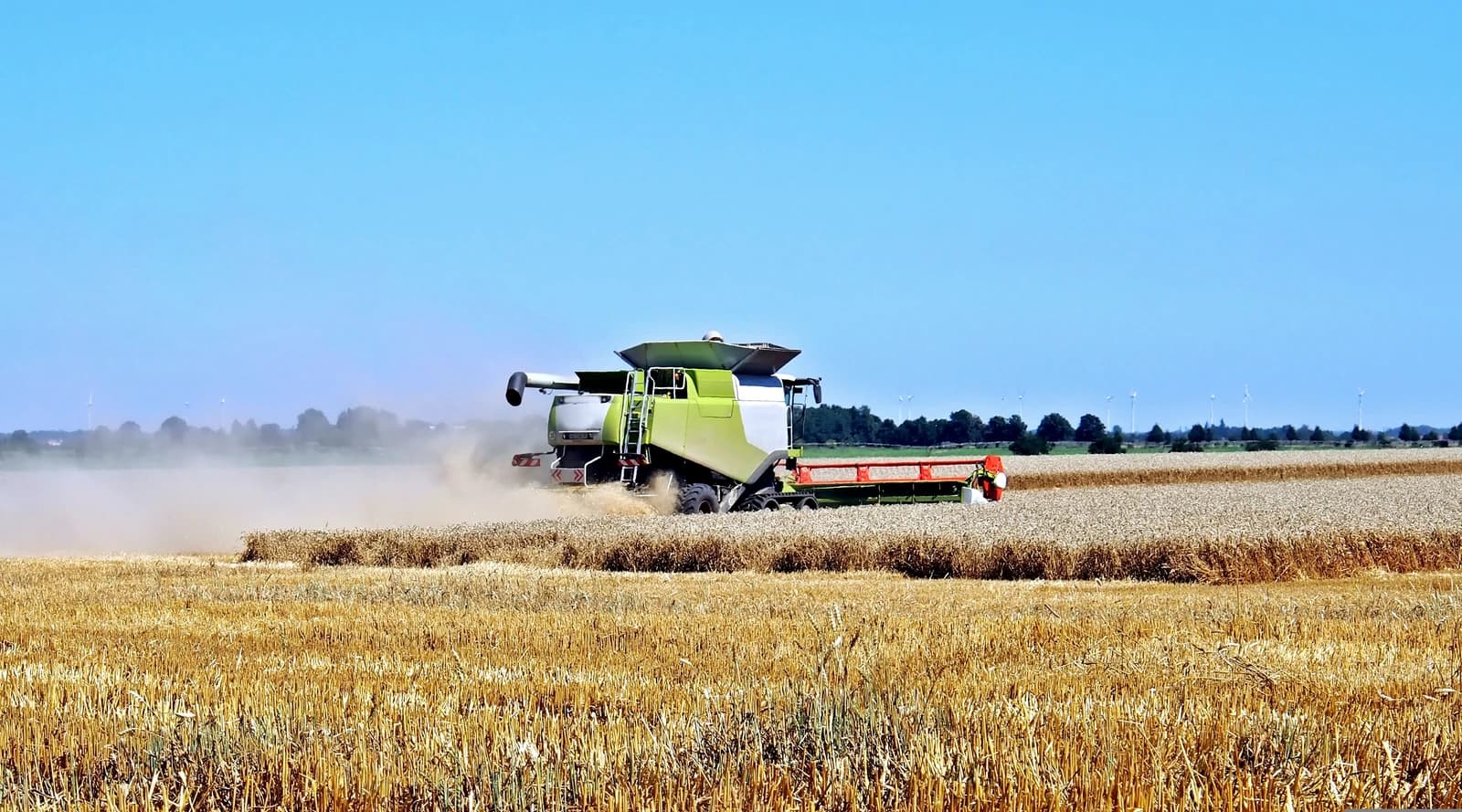
In Akmola region, one farm says artificial intelligence has cut losses during forage preparation by 20% and lifted nutritional value by 30%, a result that matters well beyond one enterprise because feed quality feeds directly into milk, meat and herd productivity. The technology is being used to time corn harvesting, avoid overdrying silage and choose the right window for haymaking — decisions that traditionally depend on local expertise and the weather.
Sentiment Indicators
The broader economic case is straightforward: feed is one of the largest recurring costs in livestock production, and poor timing can destroy value before animals ever consume the crop. By turning field data, soil history and weather patterns into harvest recommendations, the software reduces waste, limits dependence on labor and fuel, and improves the odds that forage will meet winter demand. That is especially relevant in a year when Kazakhstan says it has already stockpiled 43 million tons of feed, beating targets across hay, straw and silage.
The government is making the same calculation at scale. Officials say about 3 million hectares are currently sown to forage crops, and a new livestock development plan running to 2030 aims to raise that to 4 million hectares while expanding seed subsidies for feed crops. Financing is still variable, with 3.6 billion tenge allocated in 2025 and 1.2 billion in the current year, but the policy direction is clear: build a larger, more reliable feed base and reduce the sector’s exposure to drought and price swings.
For investors, the story points to a slow but real shift in Central Asian agriculture from acreage-driven production to data-driven efficiency. That favors companies selling precision agriculture, farm machinery, seed genetics, irrigation systems and farm software, while it could pressure legacy operators that remain more vulnerable to weather losses and feed shortages. Deere and Archer-Daniels-Midland are already exposed to the longer-term trend through equipment and grain/feed supply chains, while peers such as Bunge and Corteva stand to benefit if farmers keep spending on productivity tools rather than simply expanding land use.
The bull case is that AI improves margins without requiring a step change in farm size, making livestock operations more resilient and bankable. The bear case is that adoption remains thin outside leading farms, and the economics still depend on connectivity, capex and trained agronomists to interpret the output. For now, Kazakhstan’s forage market looks less like a frontier experiment and more like an early proof point that precision agriculture can preserve value where weather risk is highest.
| Entity | Gains | Losses |
|---|---|---|
| AI-equipped farms | ▲Lower forage losses | ▼Higher tech upfront costs |
| Livestock producers | ▲Better feed quality | ▼Less room for weather errors |
| Deere, Corteva, peers | ▲More demand for precision tools | ▼Legacy low-tech suppliers |
| Kazakhstan government | ▲Stronger feed security | ▼Need for subsidy funding |