Kazakhstan will launch a national water information system with artificial intelligence by Dec. 15, a move aimed at tightening control over a resource that is becoming more expensive, scarcer and more strategically important to the Central Asian economy.
Kazakhstan to launch AI water information system
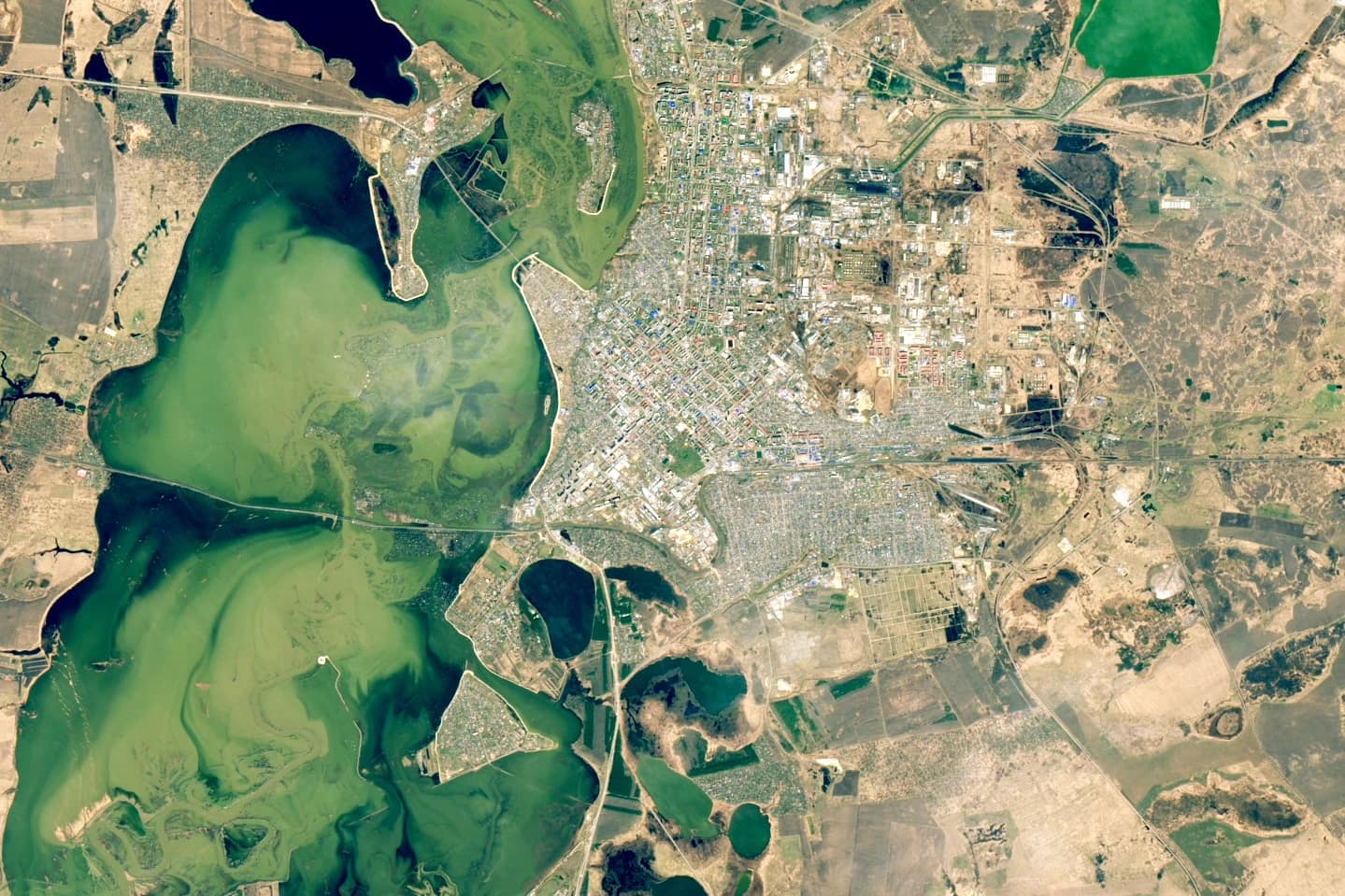
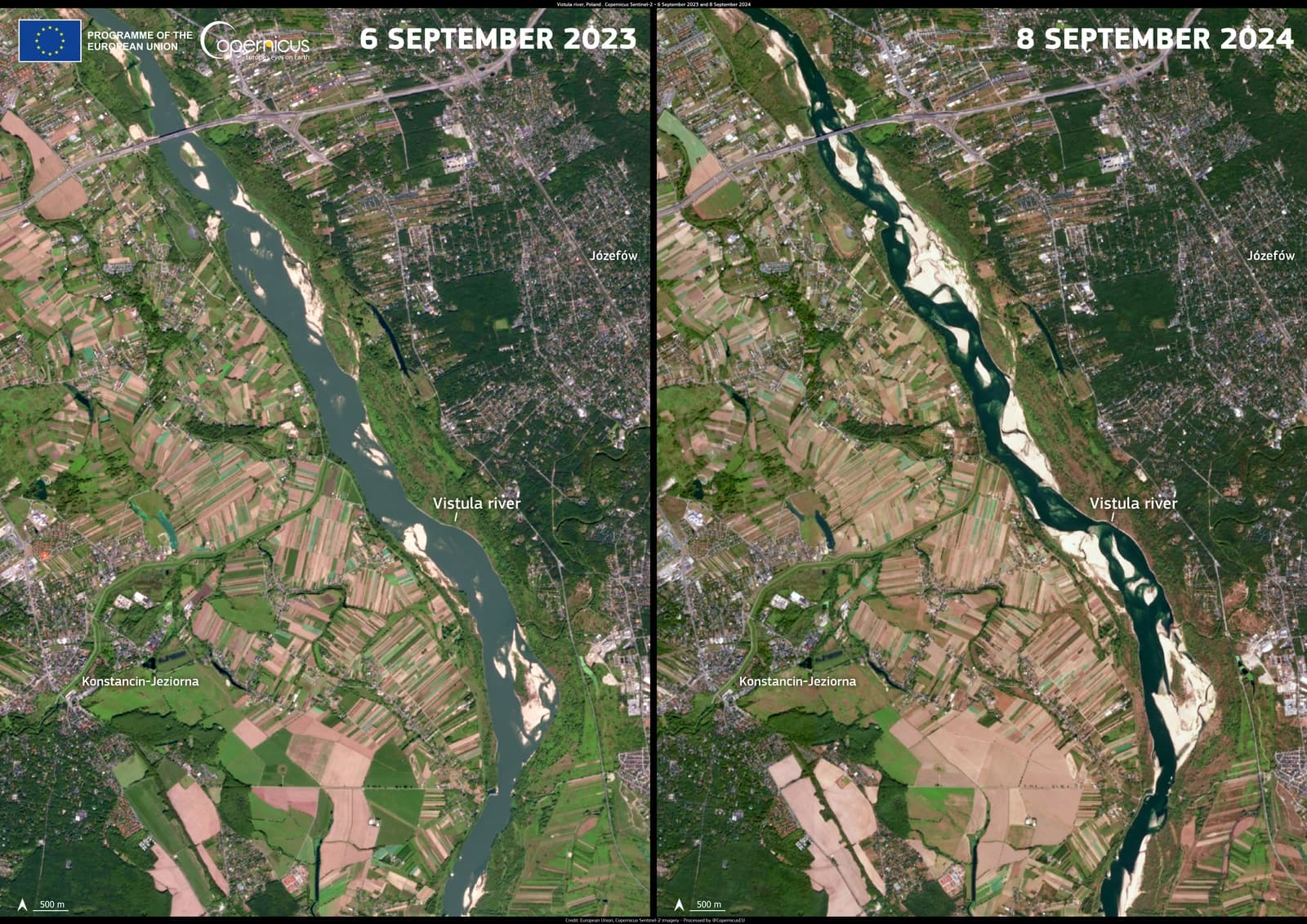
The initiative matters because water is becoming a binding constraint on Kazakhstan’s growth model. The country is pushing to expand agriculture, industrial output and urban infrastructure while operating in a largely arid climate, where losses in aging networks and inefficient irrigation can quickly translate into lower crop yields, higher costs and more pressure on public finances. A digital system that can map supply, track consumption and help allocate water more efficiently is meant to reduce those bottlenecks before they become more severe.
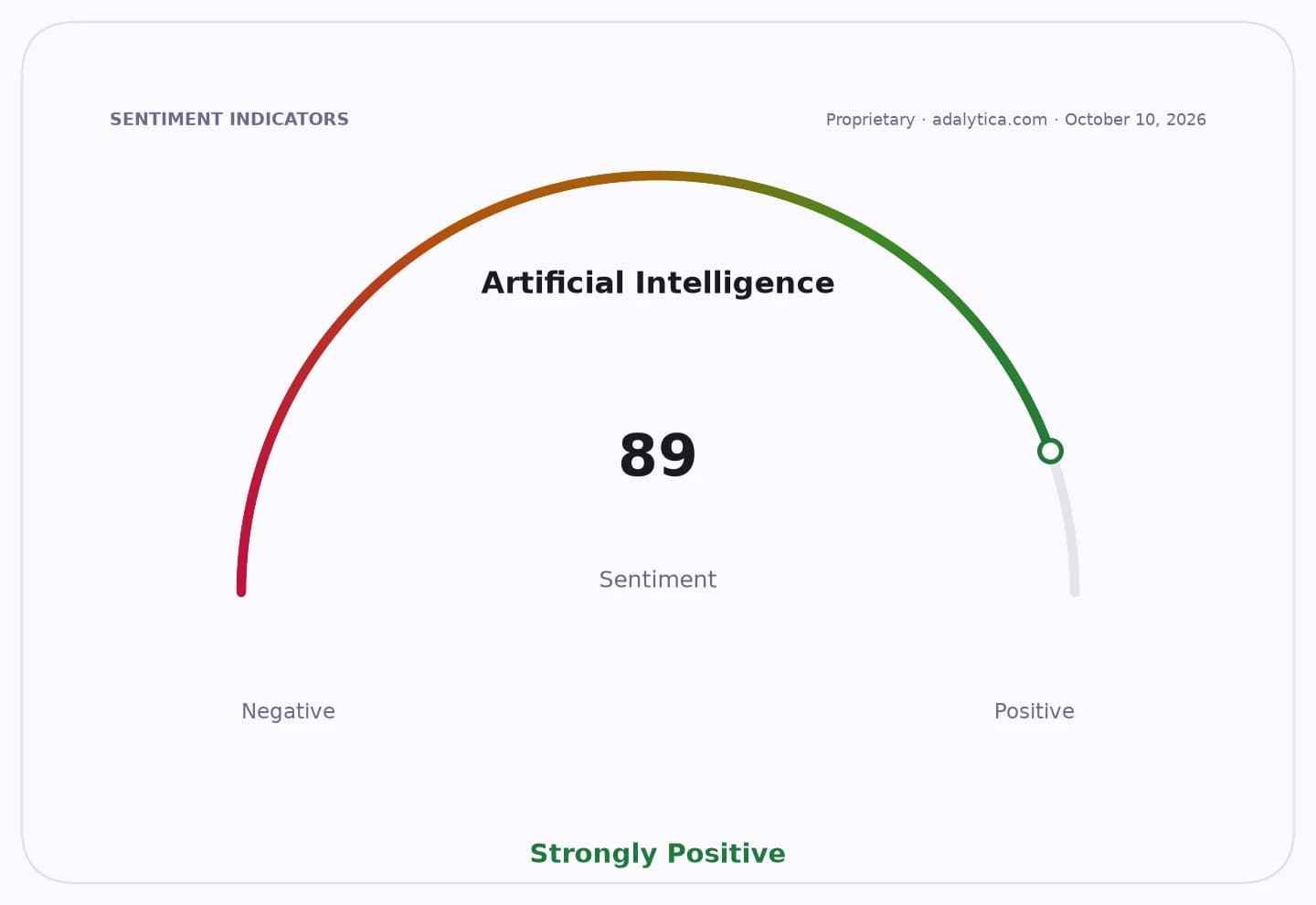
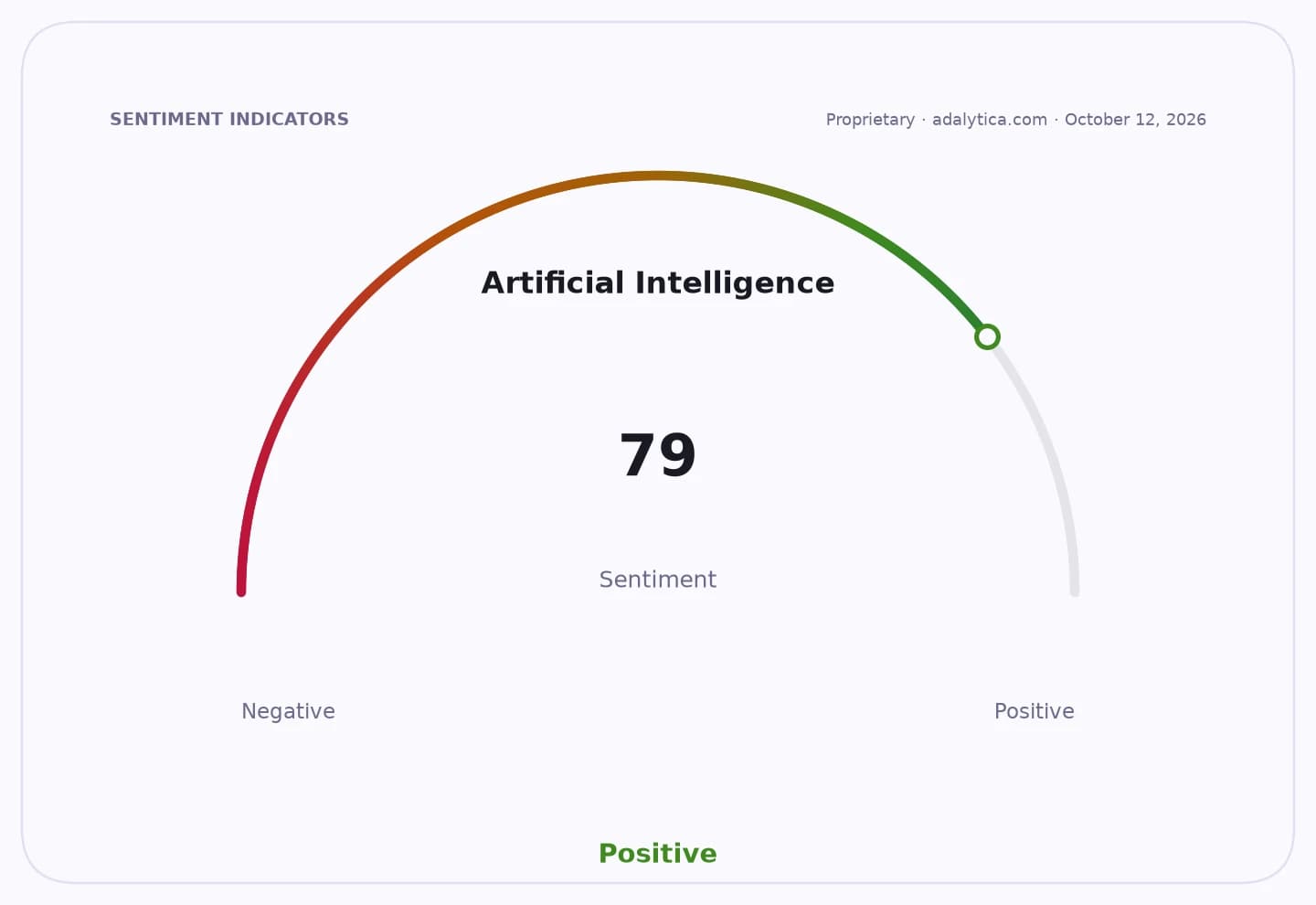
Sentiment Indicators
President Kassym-Jomart Tokayev has paired the AI rollout with a broader tariff overhaul, arguing that water pricing must create incentives for conservation and investment. The government also wants large water users to shift toward technical, recycled and closed-loop systems, which would reduce pressure on drinking-water supplies. For investors, that points to a likely policy mix of higher regulation, tighter monitoring and capital spending in pipes, metering, irrigation and treatment.
The economic stakes are not abstract. Kazakhstan already uses about 25 cubic kilometers of water a year, with roughly 10 to 12 cubic kilometers going to agriculture, according to local officials cited in the report. Water-saving technologies now cover more than 700,000 hectares of farmland, and drip and sprinkler systems are said to save up to 1 billion cubic meters of irrigation water annually. Officials say better water use could lift crop yields by 2 to 2.5 times, a meaningful gain in a country where agriculture remains sensitive to weather and hydrological stress.
The government’s push also reflects a wider shift in how countries think about water security. Rather than relying only on new reservoirs or supply projects, policymakers are increasingly treating demand management as the first line of defense. That matters in Kazakhstan, where rising population, drought risk and flood exposure are all feeding pressure on the water system. The new water code adopted last year added the concept of “water security,” underscoring that the issue has moved from infrastructure management to national economic planning.
For the market, the clearest beneficiaries are likely to be domestic equipment makers, irrigation suppliers, engineering firms and utilities tied to metering, leakage reduction and wastewater reuse. The losers are likely to be water-intensive operators that have relied on cheap or poorly measured usage, especially in agriculture and industry. If tariff reform is implemented in full, it could raise operating costs in the short term, but it may also improve capital allocation and make water scarcity visible in prices, something investors often view as necessary for long-term stability.
There is also a broader capital-markets angle. Water stress can constrain industrial site selection, slow new project approvals and force higher capex for existing operations. That makes the AI system more than an administrative upgrade: it is part of the infrastructure needed to support future investment in Kazakhstan’s economy. The success of the plan will depend on whether the government can move from announcements to accurate data, enforceable tariffs and physical upgrades in the network.
For now, the message is clear: Kazakhstan is treating water as a strategic economic input, and AI is being enlisted to manage it before scarcity becomes a harder growth brake.
| Entity | Gains | Losses |
|---|---|---|
| Kazakhstan government | ▲Better water control | ▼Higher implementation burden |
| Irrigation and meter makers | ▲New demand | ▼ |
| Water-intensive farms and industry | ▲More stable long-term supply | ▼Higher tariffs and compliance costs |
| Consumers and taxpayers | ▲Lower leakage over time | ▼Near-term price pressure |