Kazakhstan is trying to turn artificial intelligence from a digital tool into a driver of industrial output, education and national growth, betting that AI adoption across factories, universities and infrastructure will help the resource-rich economy move up the value chain.
Kazakhstan AI push targets industry and growth
That shift matters because Astana is framing AI as economic infrastructure, not just software, at a time when the country wants to reduce reliance on raw materials and lift productivity in manufacturing. President Kassym-Jomart Tokayev said competition now depends as much on how quickly countries can improve production efficiency as on natural resources, capital and access to markets.
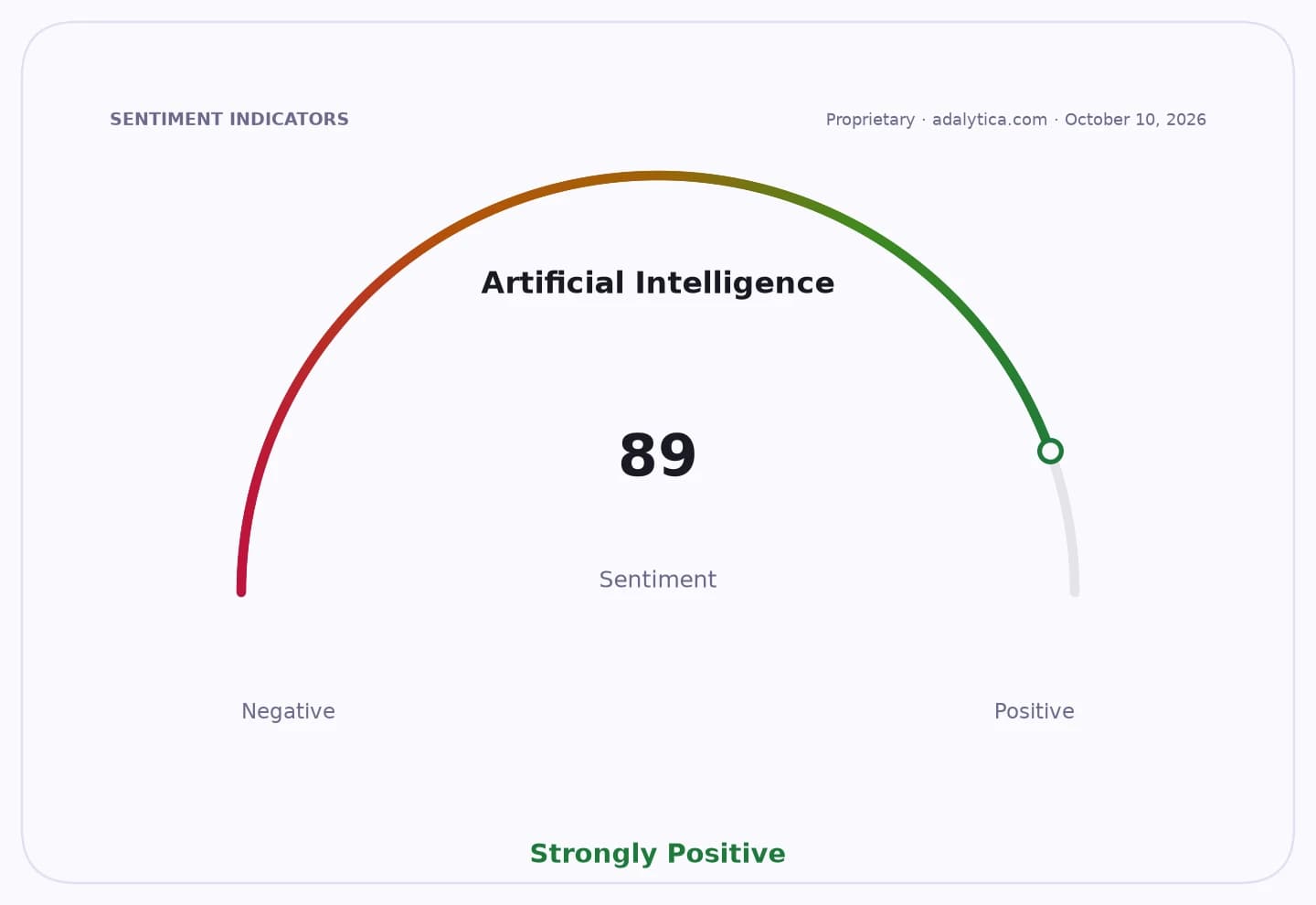
Sentiment IndicatorsⓘProprietary · adalytica.com · October 10, 2026
This is a snapshot — live sentiment, awareness and momentum for 130+ markets update continuously in the dashboard.Open AlphaPulse
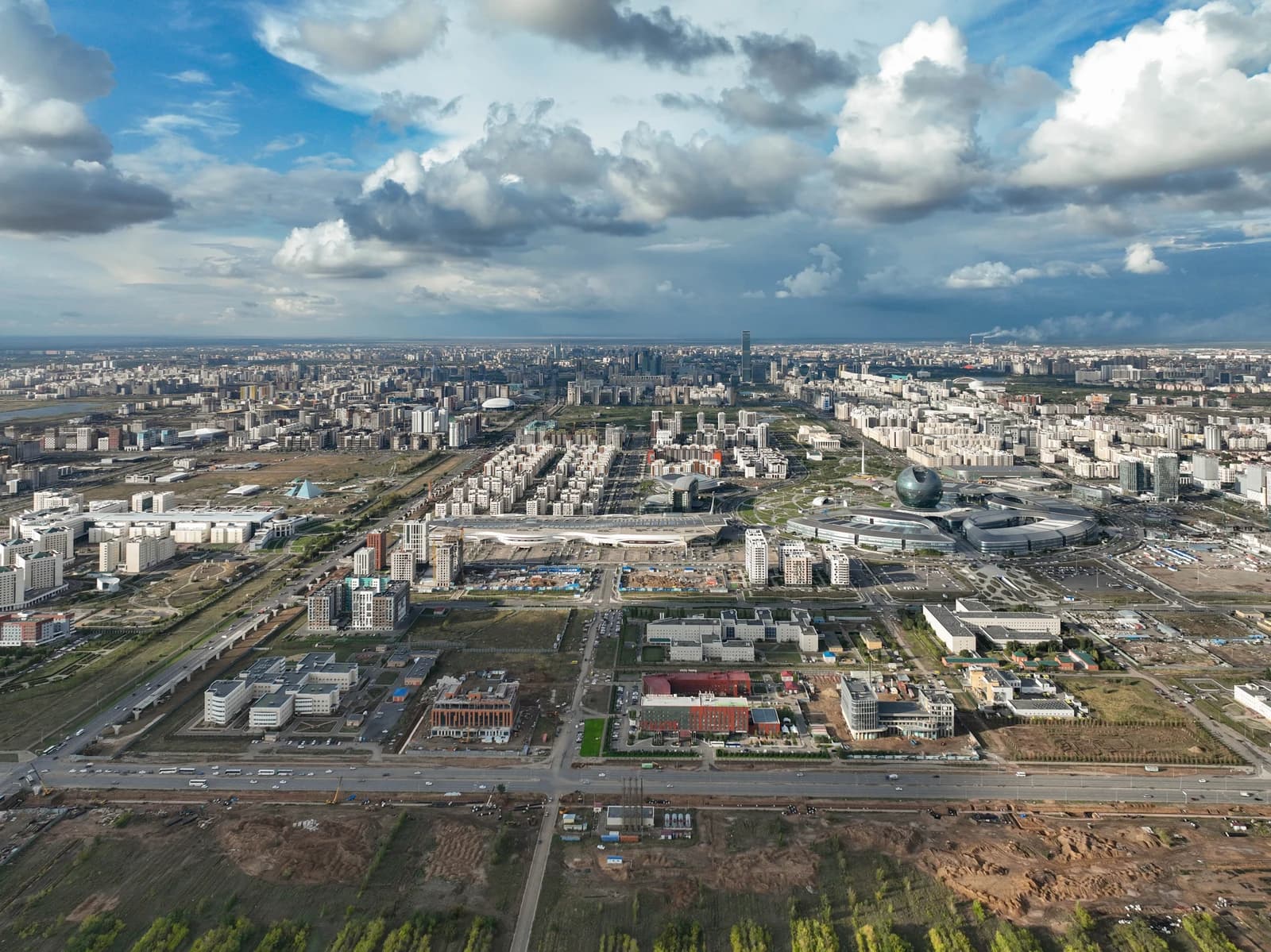
The message was delivered at the AI & Digital Bridge forum in Astana, where government officials, tech companies, investors and researchers gathered around a broader push to build what Kazakhstan calls the five layers of an AI economy — from energy and chips to cloud platforms, language models and applications. Digital Development Minister Zhaslan Madiyev said the country sees the biggest opportunity in applied AI that can improve business efficiency and daily life.
Kazakhstan already has a base to build on. Exports of IT services topped 860 million euros last year, and Kazakh digital solutions are now used in more than 100 countries, giving the country a foothold in a market it hopes can expand well beyond the domestic economy.
The industrial case is central. In the first eight months of this year, industrial output reached almost 90 billion euros and manufacturing rose 8.4% from a year earlier, according to Tokayev. Officials say sustaining that pace will require higher labor productivity, more advanced production and a greater share of higher-value goods — all areas where AI can help through automation, real-time production data and better engineering decisions.
Kazakhstan is also trying to build the workforce to match the hardware. The forum launched Qazaq AI Research University, billed as the country’s first AI-focused research university and the first in Central Asia to operate with intensive AI use. It opened on Sept. 1 with 528 undergraduate and graduate students and programs covering machine learning, industrial AI, digital law and intelligent unmanned systems.
But the push faces hard constraints. A MIT Kuo Sharper Center study on AI readiness in Central Asia and Azerbaijan cited limits in microchip access and a regional electricity deficit, warning that data centers will increasingly compete with households and industry for power. That raises the stakes for Kazakhstan, where AI adoption will depend not only on policy and talent, but on whether the country can secure chips, cloud capacity and reliable electricity.
For investors, the story is less about a single product launch than about a state-backed effort to create demand across multiple layers of the AI supply chain, from infrastructure to software and training. The forum drew about 25,000 visitors, 300 speakers and nearly 200 startups and IT companies, with 62 memorandums and agreements signed, underscoring the scale of the government’s push.
The key question now is execution: whether Kazakhstan can convert forum pledges into commercial deployment in factories, universities, energy networks and public administration, or whether power shortages, chip access and financing gaps slow the transition.
| Entity | Gains | Losses |
|---|---|---|
| Kazakhstan government | ▲Productivity boost | ▼Policy credibility if rollout stalls |
| Local tech firms | ▲More contracts and funding | ▼Pressure to scale fast |
| Manufacturers | ▲Automation and efficiency gains | ▼Higher capex and integration costs |
| Power and chip suppliers | ▲Rising demand | ▼Capacity strain and bottlenecks |