Punjab University’s plan to open a human-centred AI lab on Oct. 7 matters less as a campus event than as a sign that AI is moving from spectacle to workflow.
Microsoft Nvidia AI adoption and market setup
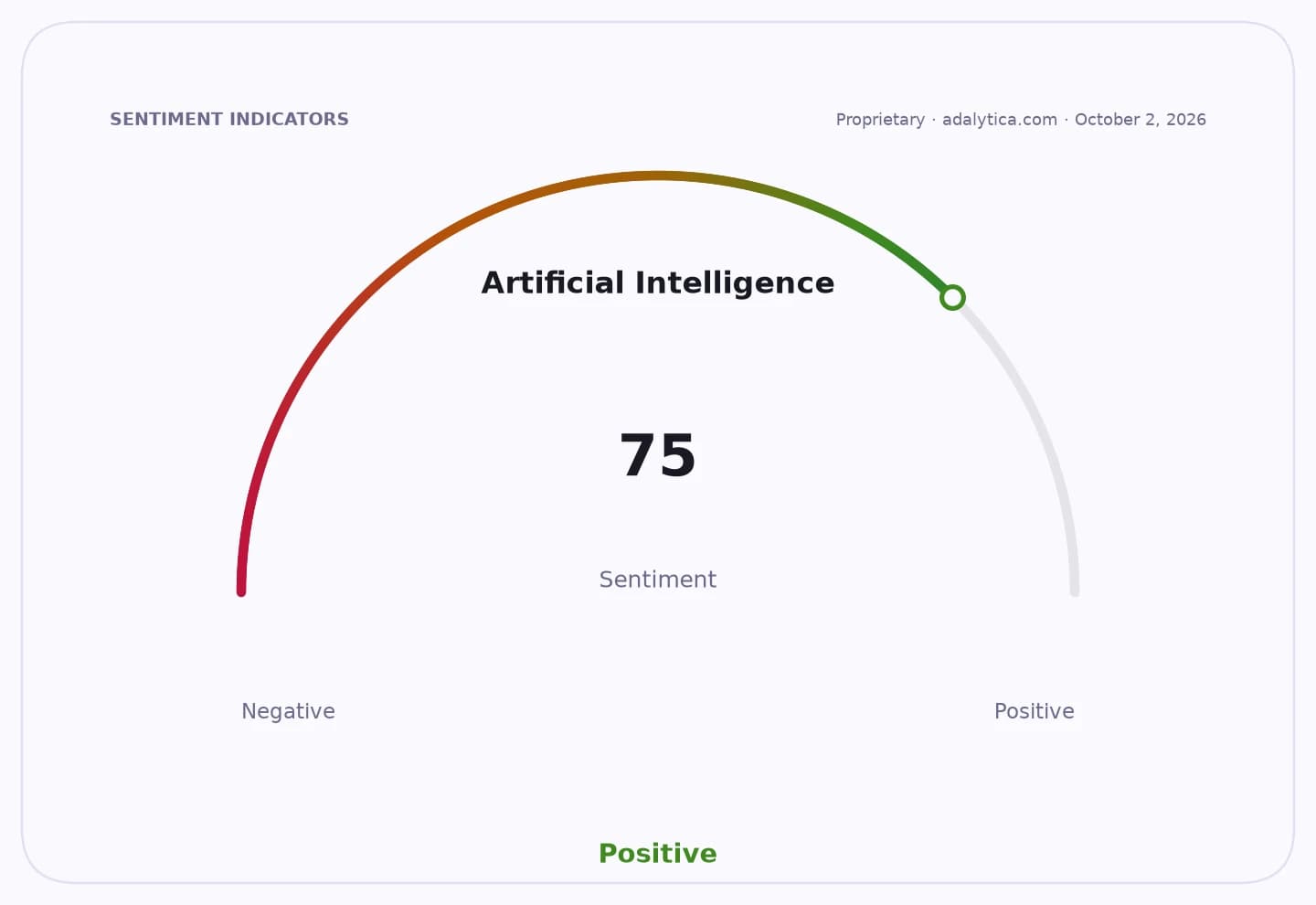
For investors, that shift is the real story. The next phase of artificial intelligence is not just about bigger models and flashier demos; it is about tools that are reliable enough for classrooms, offices and public-sector use. That creates a much broader market than consumer chatbots alone, because every institution that wants to adopt AI needs systems that can be trusted, explained and supervised.
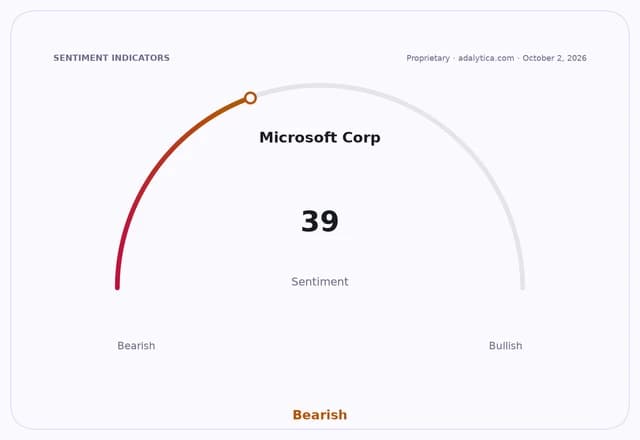
That is why the broader AI trade still looks powerful even when the headlines are about education rather than hyperscale data centers. Microsoft and Nvidia remain the clearest public-market beneficiaries of the buildout, and both shares have been strong recently. Microsoft finished at $517.53 on Oct. 2, well above its 50-day moving average of $487.39, while Nvidia closed at $233.95, also comfortably above its 50-day average of $218.12. Those are not speculative levels; they suggest investors still see durable demand for the infrastructure and software layer behind AI adoption.
The technical picture backs that up. Nvidia’s relative strength index was 83.0, which is a conventional momentum reading that can indicate an overheated short-term setup, even after a strong run. Microsoft’s RSI was a more modest 57.8, closer to balanced. In other words, the AI story is still intact, but the market may be pricing a lot of near-term good news into the chip leader.
Artificial Intelligence vs MSFTadalytica.com
Explore this data interactively — full history, time series and cross-market comparisons.Open AlphaPulse

That makes Punjab University’s lab launch interesting because it highlights where the demand curve may widen next. Human-centered AI usually means emphasis on usability, oversight, ethics and real-world deployment. That is exactly the sort of language universities, governments and regulated industries use when they move from experimentation to implementation. If AI is going to be embedded in teaching, research and administration, the winners will be the companies that make it safer, cheaper and easier to deploy at scale.
The market already understands the basic thesis: AI is not one product, it is an ecosystem. Some investors focus on model developers, others on chips, cloud and productivity software. But the longer-term opportunity may be even larger if adoption spreads into higher education, healthcare, finance and public services, where institutions need practical AI rather than novelty. That is the kind of demand that can compound for years.
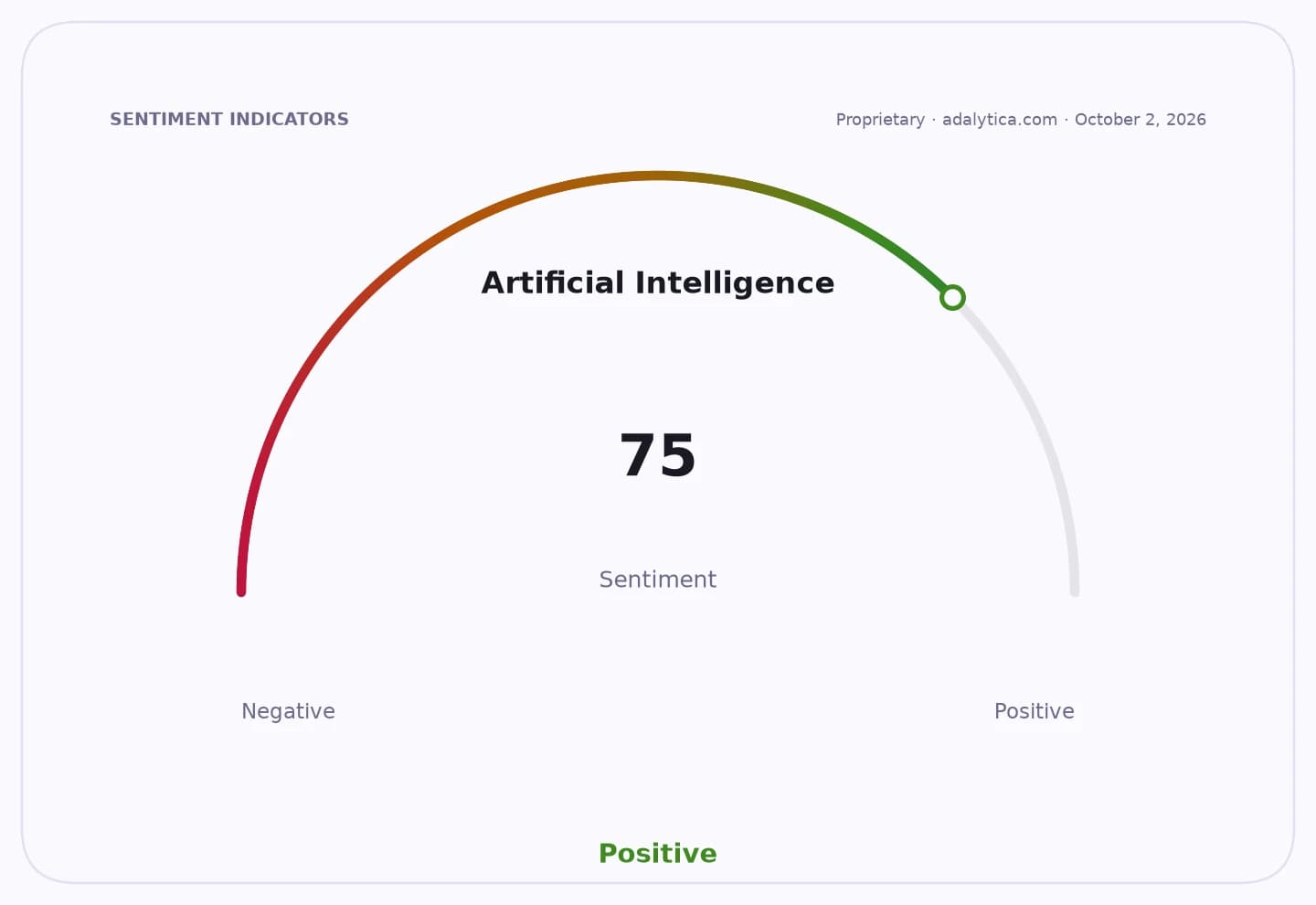
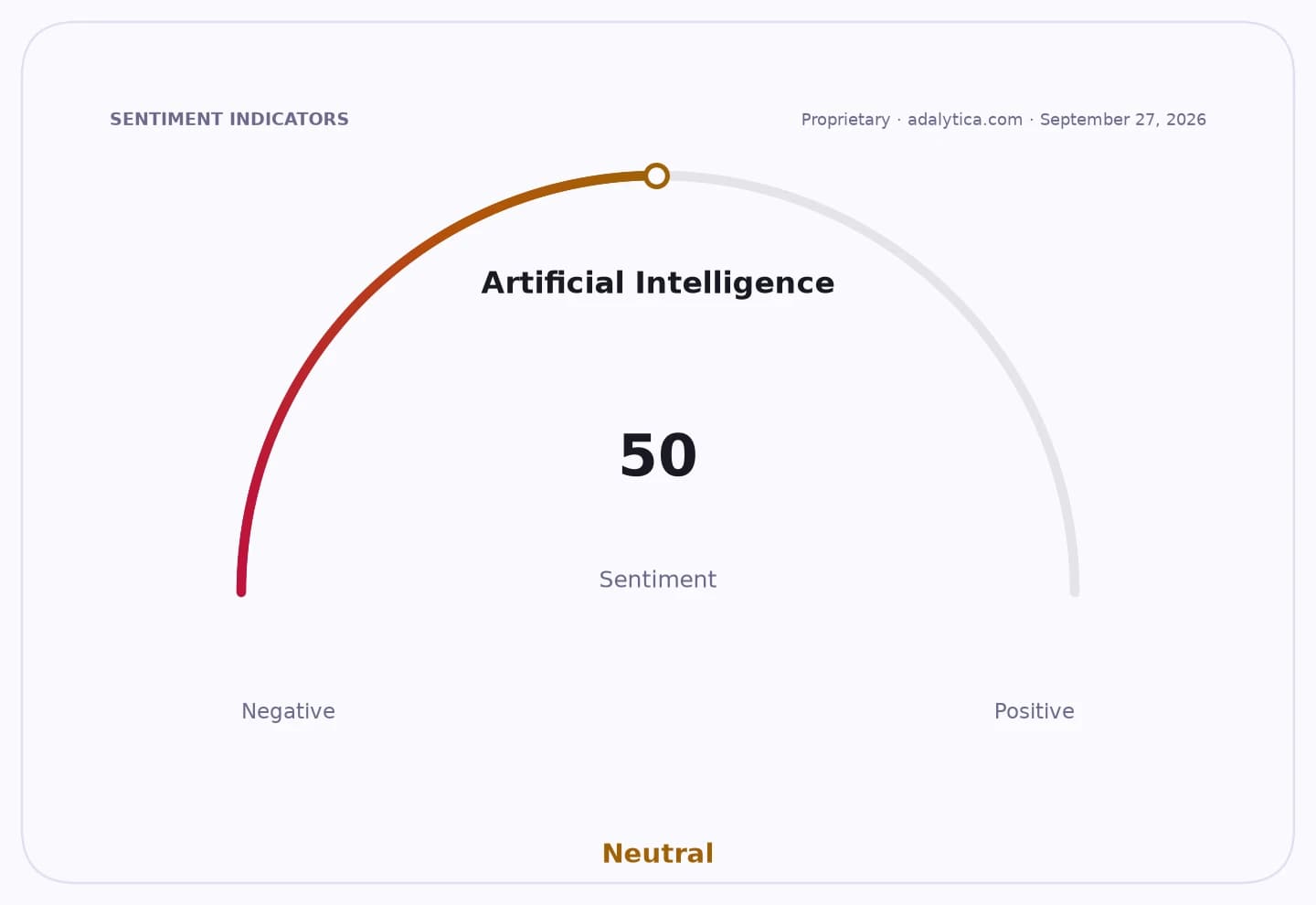
There are risks, of course. AI spending can outrun near-term monetization, and strong sentiment can fade fast if projects fail to deliver measurable productivity gains. The recent cooling in some sentiment gauges shows how quickly enthusiasm can swing. But for long-term investors, the better question is not whether every AI initiative works on day one. It is whether the technology becomes indispensable enough to keep expanding into new users and new industries.
Punjab University’s lab opening is a small headline with a large implication: the AI race is increasingly about adoption, not just invention. That is a healthier setup for the market, because broad adoption tends to reward the picks-and-shovels companies, the software platforms and the infrastructure providers that make the technology usable. For investors with a multi-year horizon, that is the kind of trend worth watching closely and holding through the noise.
| Entity | Gains | Losses |
|---|---|---|
| Punjab University | ▲AI research profile | ▼Legacy teaching methods |
| Microsoft | ▲Enterprise AI adoption | ▼AI skepticism |
| Nvidia | ▲AI infrastructure demand | ▼Slower AI spending |
| Students and institutions | ▲Better tools and workflows | ▼Manual, outdated processes |