Generation Z is steering job demand toward companies that use artificial intelligence in day-to-day work, forcing small and midsize businesses to upgrade tools and workflows if they want to hire and keep younger employees.
Asus says Gen Z is pushing SMBs to adopt AI tools
That shift matters because talent remains one of the biggest costs and competitive constraints for smaller firms, and AI is increasingly part of the pitch. Asus said in a report based on 32 countries that 81% of SMB executives see AI and modern technology as critical to retaining younger workers, while 82% expect AI to either transform their businesses or trigger a generational change.
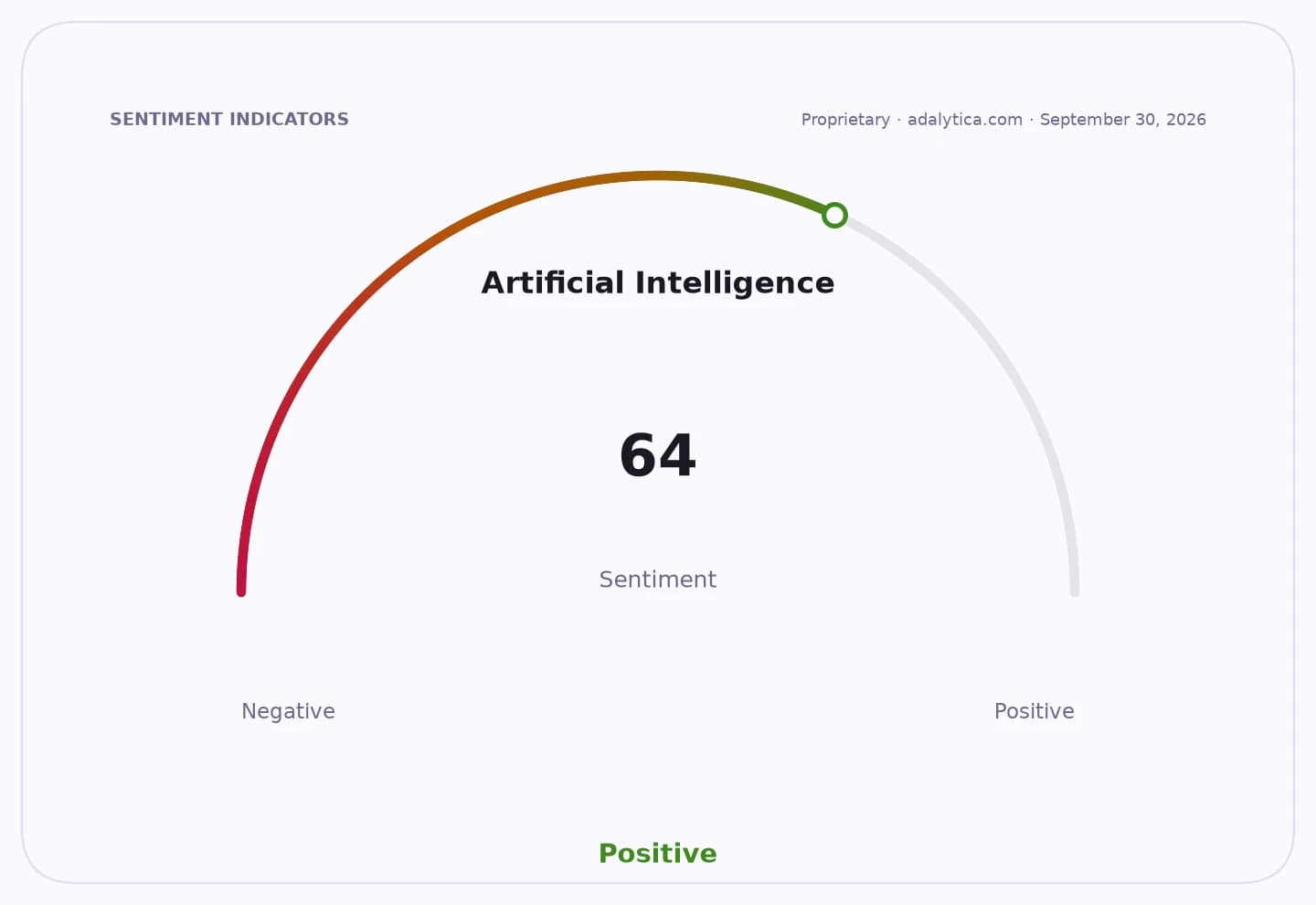
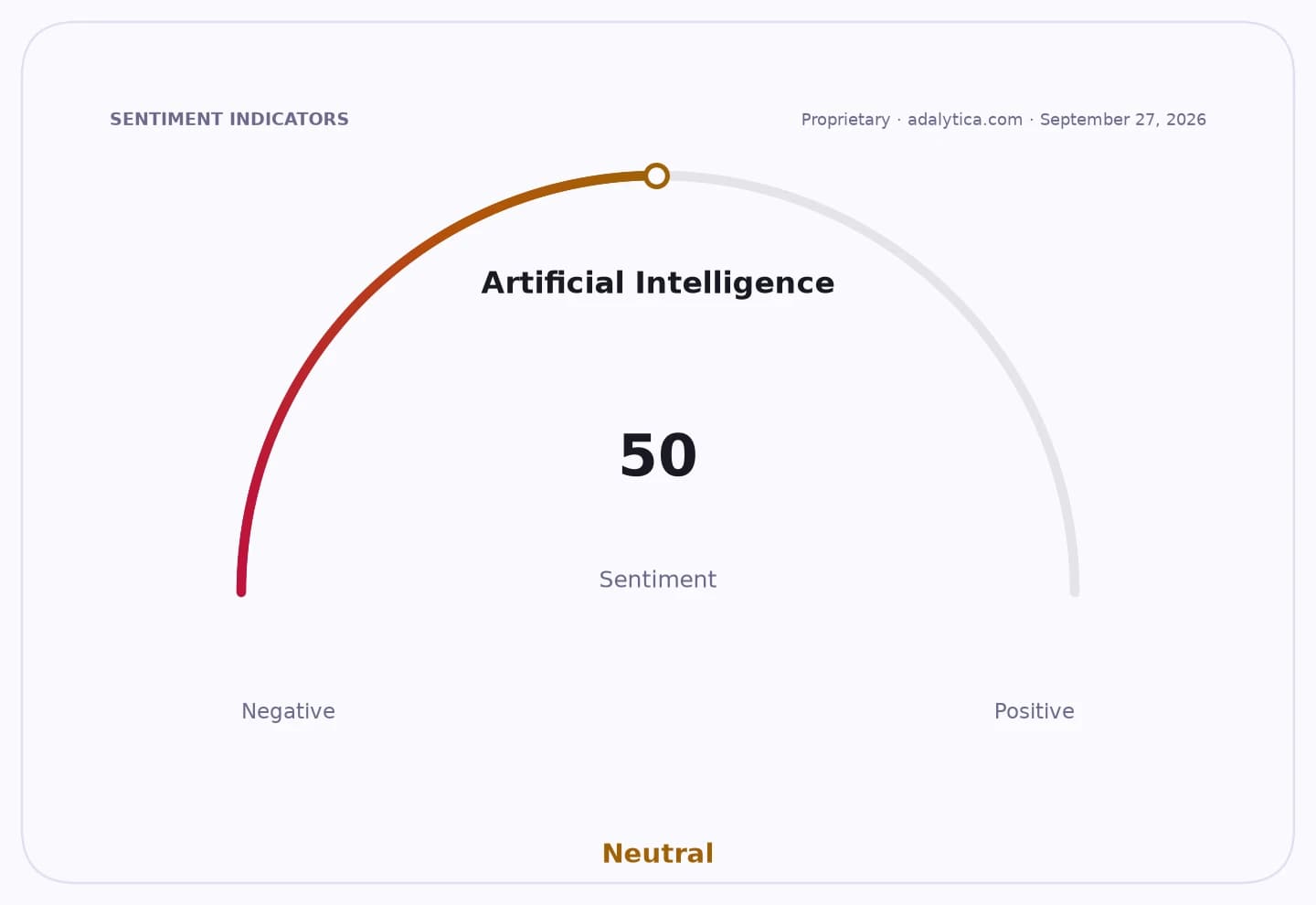
Sentiment IndicatorsⓘProprietary · adalytica.com · September 27, 2026
This is a snapshot — live sentiment, awareness and momentum for 130+ markets update continuously in the dashboard.Open AlphaPulse
For employers, the message is blunt: pay and flexibility are no longer enough on their own. Gen Z workers, born from 1997 to 2012, want hybrid schedules, faster communication and AI-assisted routines that strip out repetitive tasks, from transcription to real-time translation, so they can focus on creative and strategic work.
That makes device makers and software vendors part of the labor-market story, not just the hardware story. Asus is pitching AI-enabled ExpertBook laptops and its AI collaboration tools as a way to help SMBs attract younger staff, with features such as automated meeting summaries, live translation and built-in security designed for hybrid work.
The broader economic implication is that AI adoption is being pulled not only by productivity goals but also by hiring pressure. In a tight labor market for digital talent, the firms that lag on AI could find themselves at a disadvantage versus better-equipped rivals that offer a more modern workplace.
For investors, the trend supports demand for AI PCs, workplace software and collaboration tools across the SMB segment, while reinforcing the idea that AI spending is spreading beyond large enterprises. It also suggests AI adoption may remain durable even if companies stay cautious on headcount, because the technology is now tied to recruitment and retention as much as automation.
Microsoft and Nvidia remain the clearest public-market beneficiaries of that kind of enterprise AI spending, while smaller companies that fail to modernize risk losing younger employees to competitors with better tools. The next test is whether SMBs turn that intent into purchases fast enough to support another leg of AI hardware and software demand.
| Entity | Gains | Losses |
|---|---|---|
| SMBs using AI tools | ▲Better retention and productivity | ▼Higher upfront tech spending |
| Gen Z workers | ▲More flexible, modern jobs | ▼Fewer firms meet expectations |
| Asus | ▲Stronger demand for AI PCs | ▼Slower uptake hurts sales |
| Microsoft, Nvidia | ▲More enterprise AI demand | ▼Lagging adopters and rivals |