A sharp drop in cotton output from drought-hit western India is reviving demands for emergency trade protection, with veteran politician Prakash Ambedkar warning that farmers could be left stranded unless New Delhi restores duties on imported cotton.
India cotton drought revives import duty debate
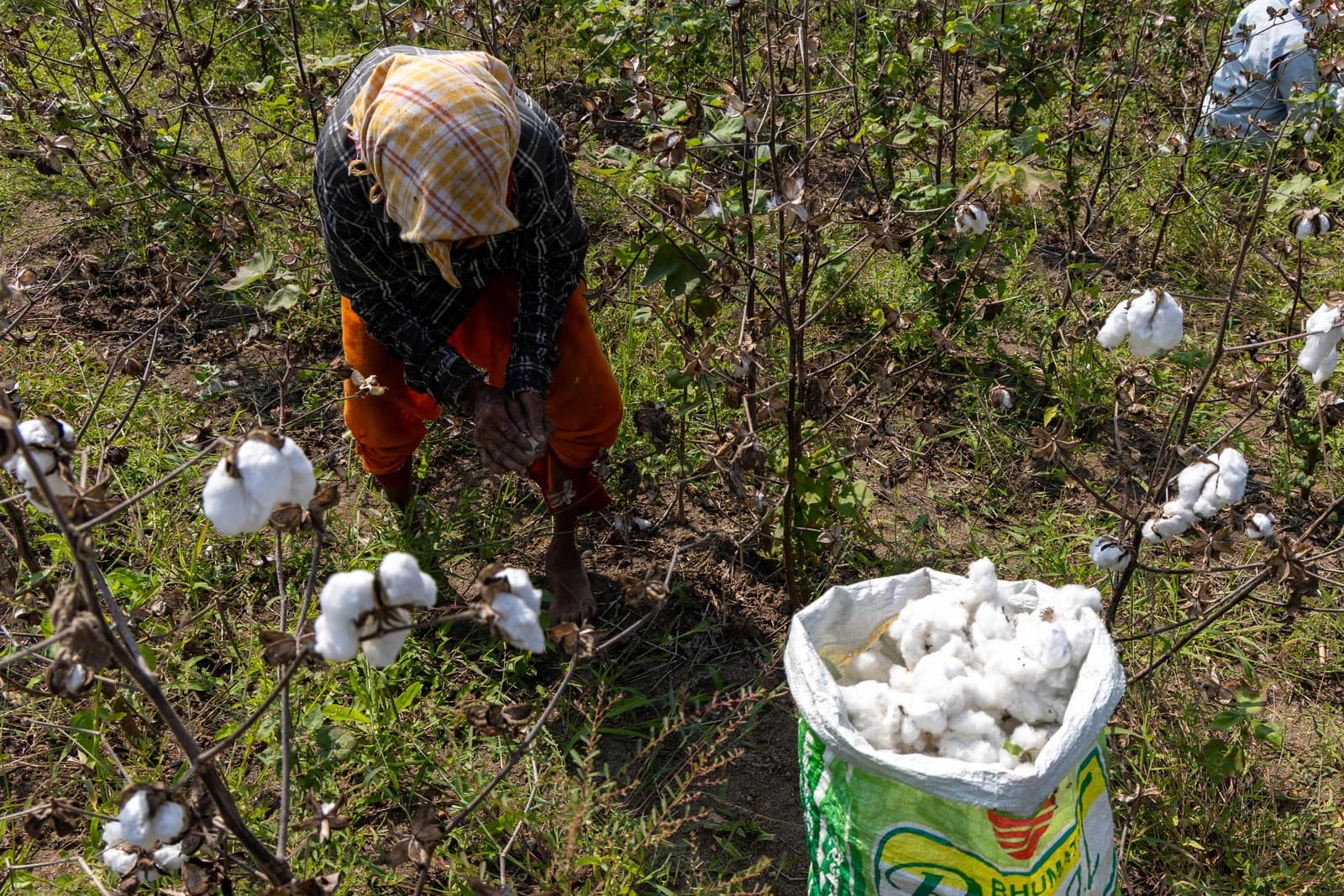
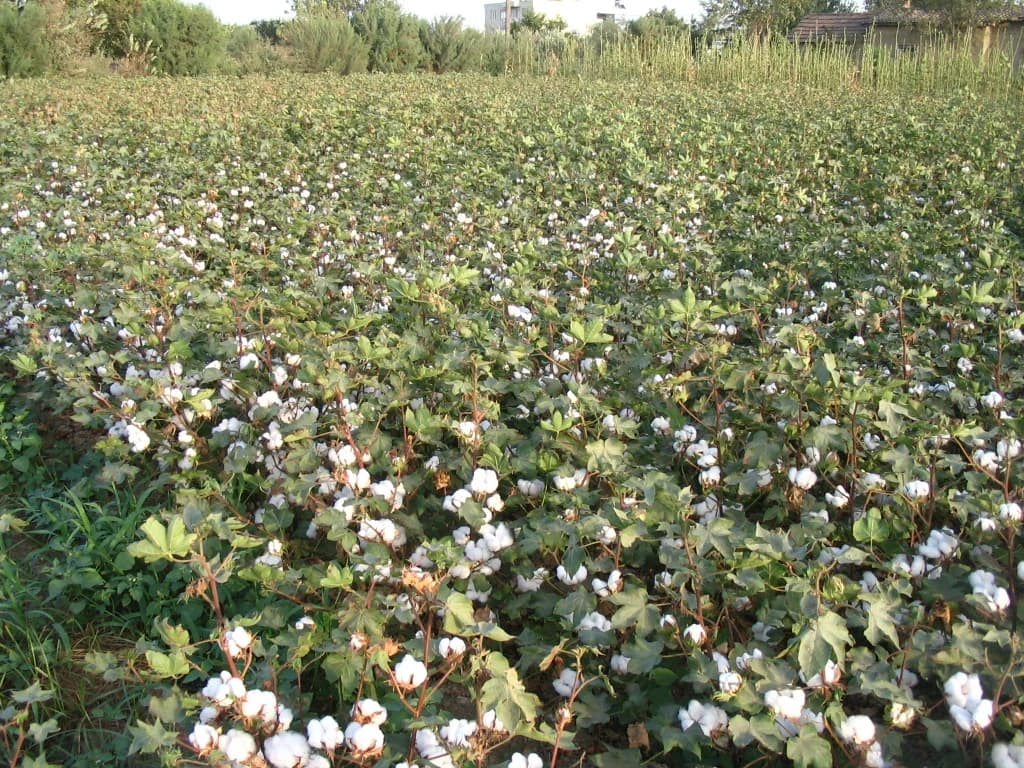
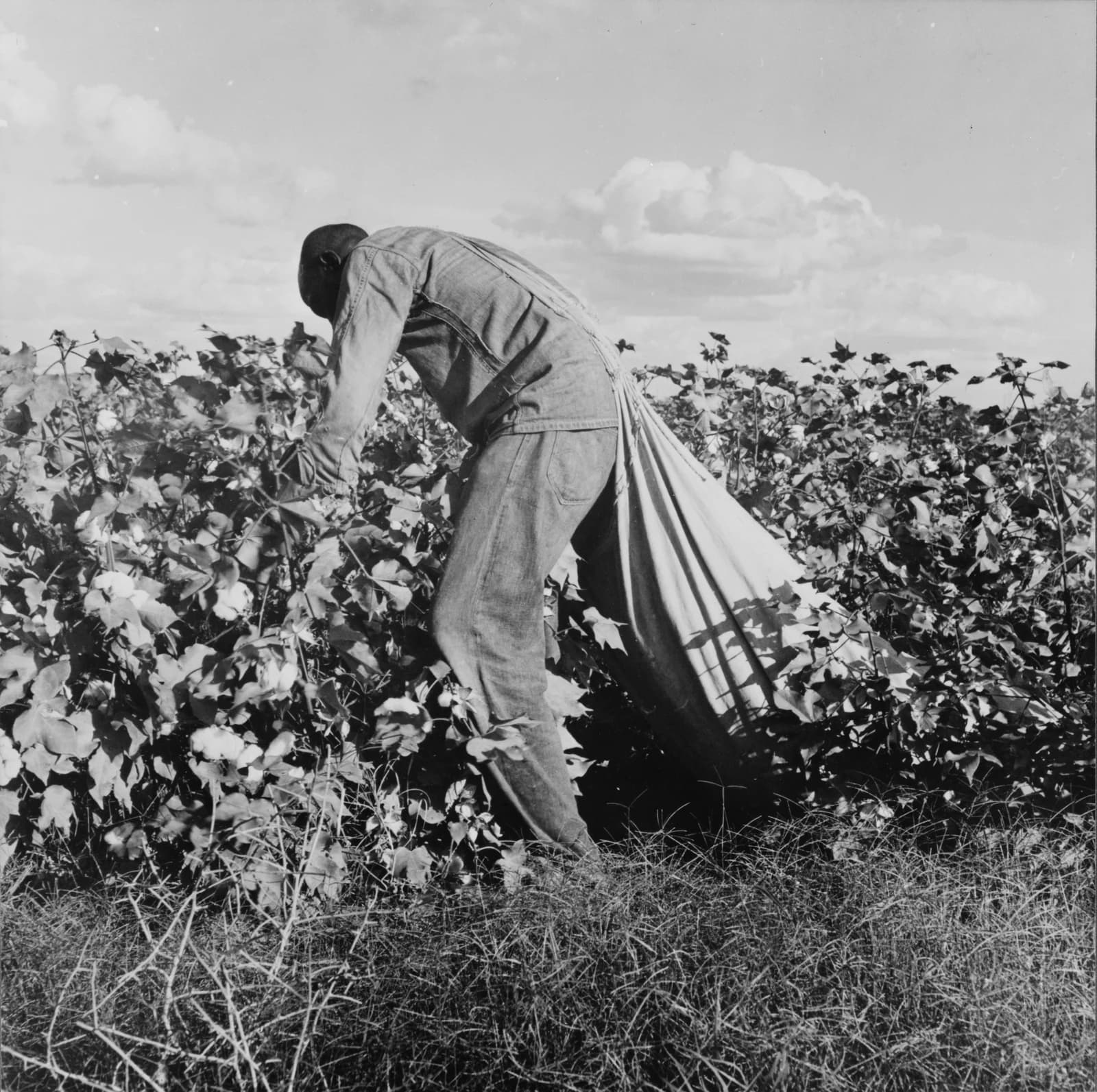
That matters because cotton is not just another crop in Maharashtra’s rain-starved countryside; it is the backbone of income for a huge stretch of Vidarbha and Marathwada, and a key input for India’s textile chain. If cheap imports keep flowing in while domestic yields fall, farmers absorb the pain first, ginners and traders squeeze later, and the market eventually decides who wins and loses.
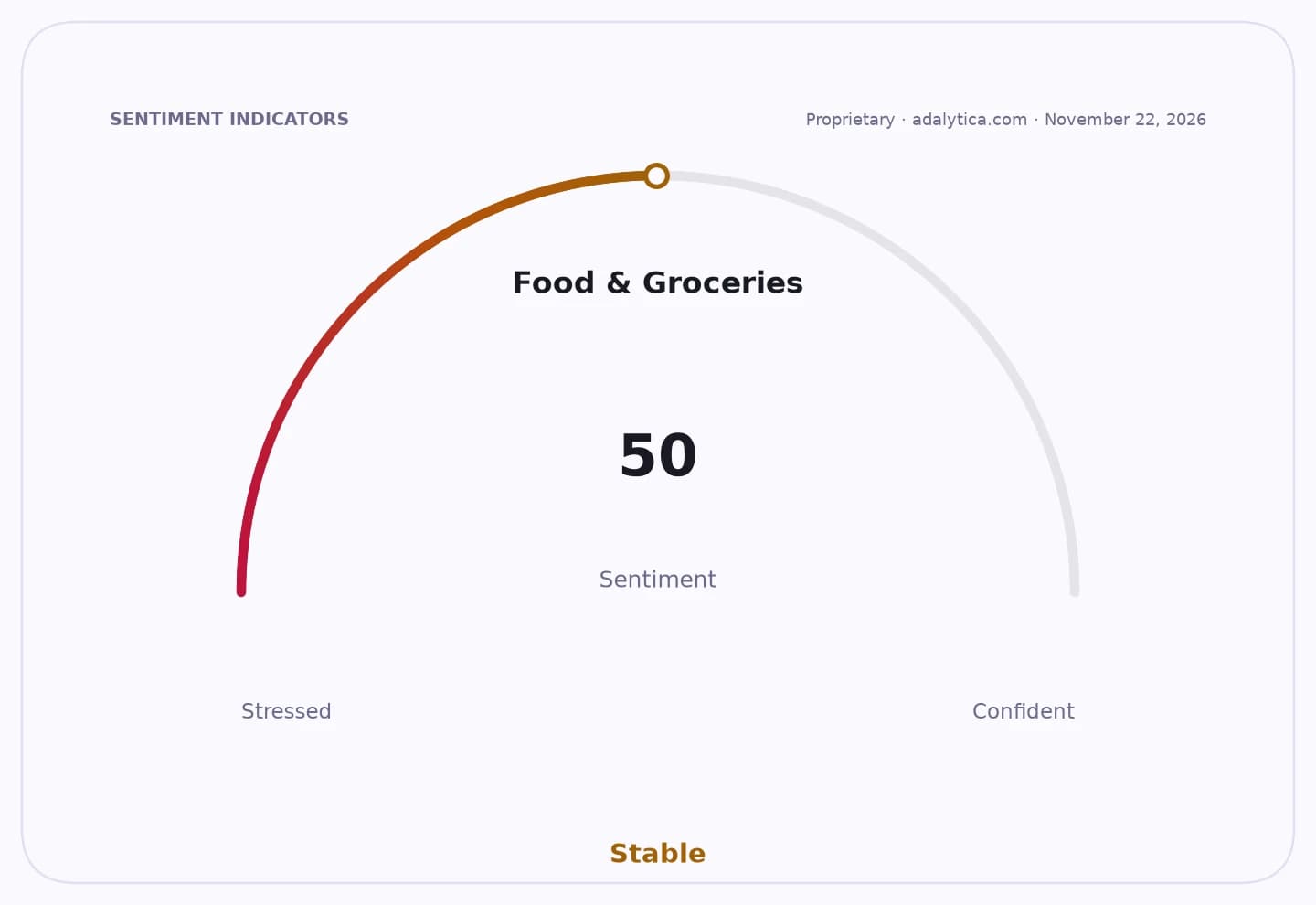
Sentiment Indicators
Ambedkar’s argument is straightforward: with import duty cut to zero, Brazilian cotton is landing in Indian ports at around 56,000 rupees a candy, or 365 kilograms, he said, undercutting the Cotton Corporation of India’s ability to buy at the government’s minimum support price of 8,600 rupees a quintal. He said the state’s drought has already reduced yields in some areas to 4-5 quintals per acre from a normal 8-14, worsening the income shock just as farmers face delayed registrations and damage assessments.
The economic logic behind his demand is bigger than one protest threat. A 20% duty, he says, would lift local prices to 9,000-9,500 rupees a quintal and help offset the production slump without meaningfully hurting consumers, since cotton is only a small fraction of the cost of a shirt. In other words, the policy fight is really about whether India uses trade barriers to stabilize rural incomes when weather shocks hit supply.
For investors, the story reaches beyond the farmgate. A higher import duty would be a tailwind for domestic cotton growers and, by extension, the broader rural economy, but it would also support higher raw-material costs for textile makers that depend on imported fiber. That is the classic inflation-versus-income trade-off: protect producers now, or keep input costs low for mills and clothing buyers.
Ambedkar also warned that cotton is only part of the problem. He said foodgrain and pulse buffers are thin, and argued that shortages could push pulse and grain prices sharply higher in coming months. Even if the political rhetoric is heated, the underlying risk is real: when drought cuts farm output and public stocks are light, food inflation can reappear quickly and force policymakers back into crisis management.
The most important takeaway for investors is that this is less about one politician’s ultimatum and more about India’s recurring balancing act between farmer support, food inflation and trade policy. If the government moves on cotton duties, it would signal a more interventionist stance to cushion agricultural income shocks. If it does not, the pressure will shift onto rural demand, textile margins and inflation expectations — a mix that markets rarely ignore for long.
For long-term investors, the best approach is to watch how the policy debate affects the broader agricultural complex rather than chase headlines. Droughts pass, but pricing power, supply-chain resilience and government intervention shape returns for years. Keep an eye on cotton, textiles and consumer staples, and treat volatility in farm commodities as a reminder to stay diversified and patient.
| Entity | Gains | Losses |
|---|---|---|
| Cotton farmers in Vidarbha/Marathwada | ▲Higher local prices | ▼Income squeeze from drought |
| Textile mills and clothing makers | ▲Cheaper input costs | ▼Margin pressure from duty hike |
| CCI / government procurement | ▲Market support role | ▼Buying losses at MSP |
| Consumers | ▲Price stability if duty stays low | ▼Potential inflation if cotton costs rise |