Pakistan’s decision to bring in another 800,000 tons of wheat is the clearest sign yet that Islamabad is still leaning on the global market to steady domestic food supplies and cool price pressure at home.
Pakistan tenders 800,000 tons of wheat
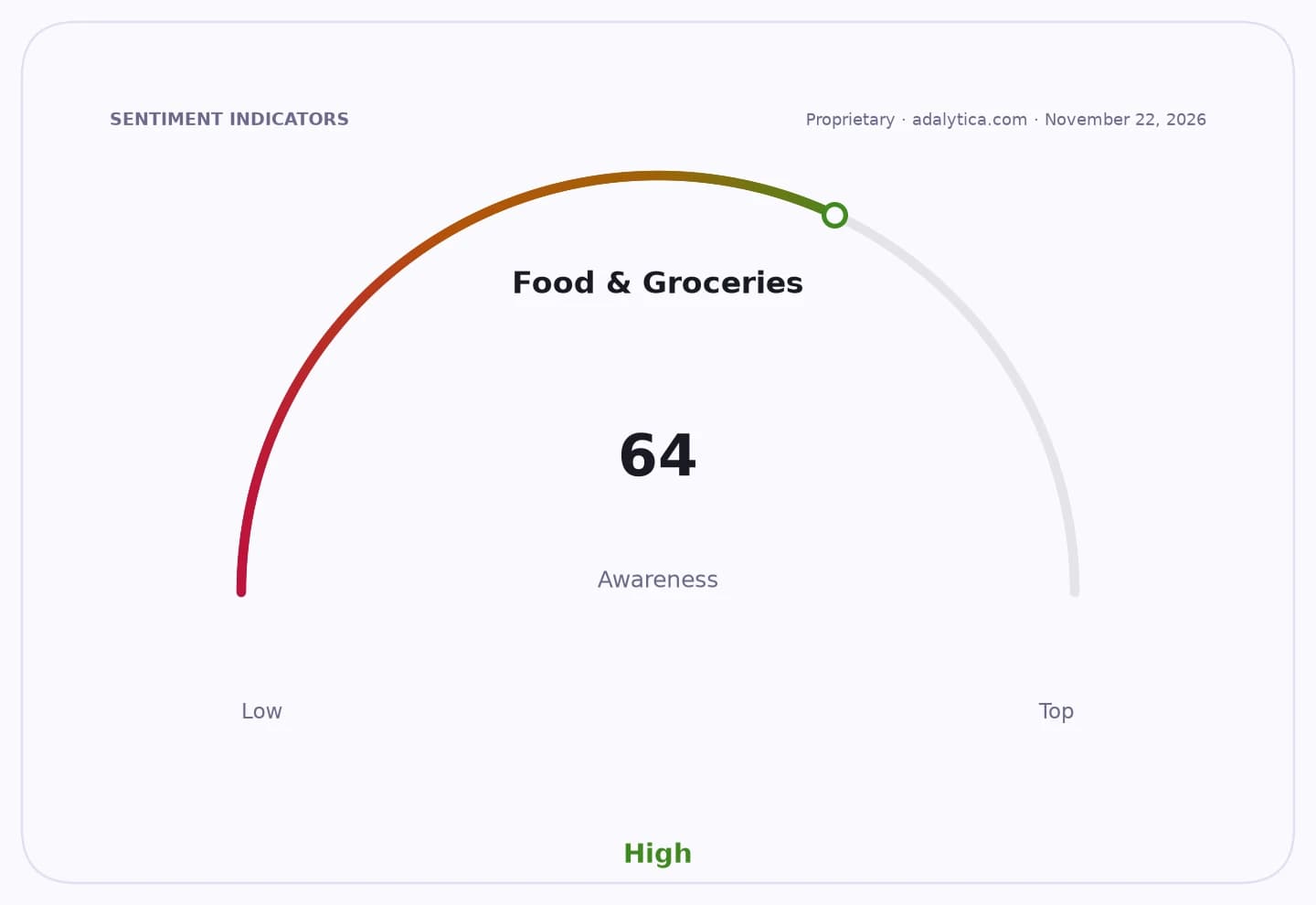
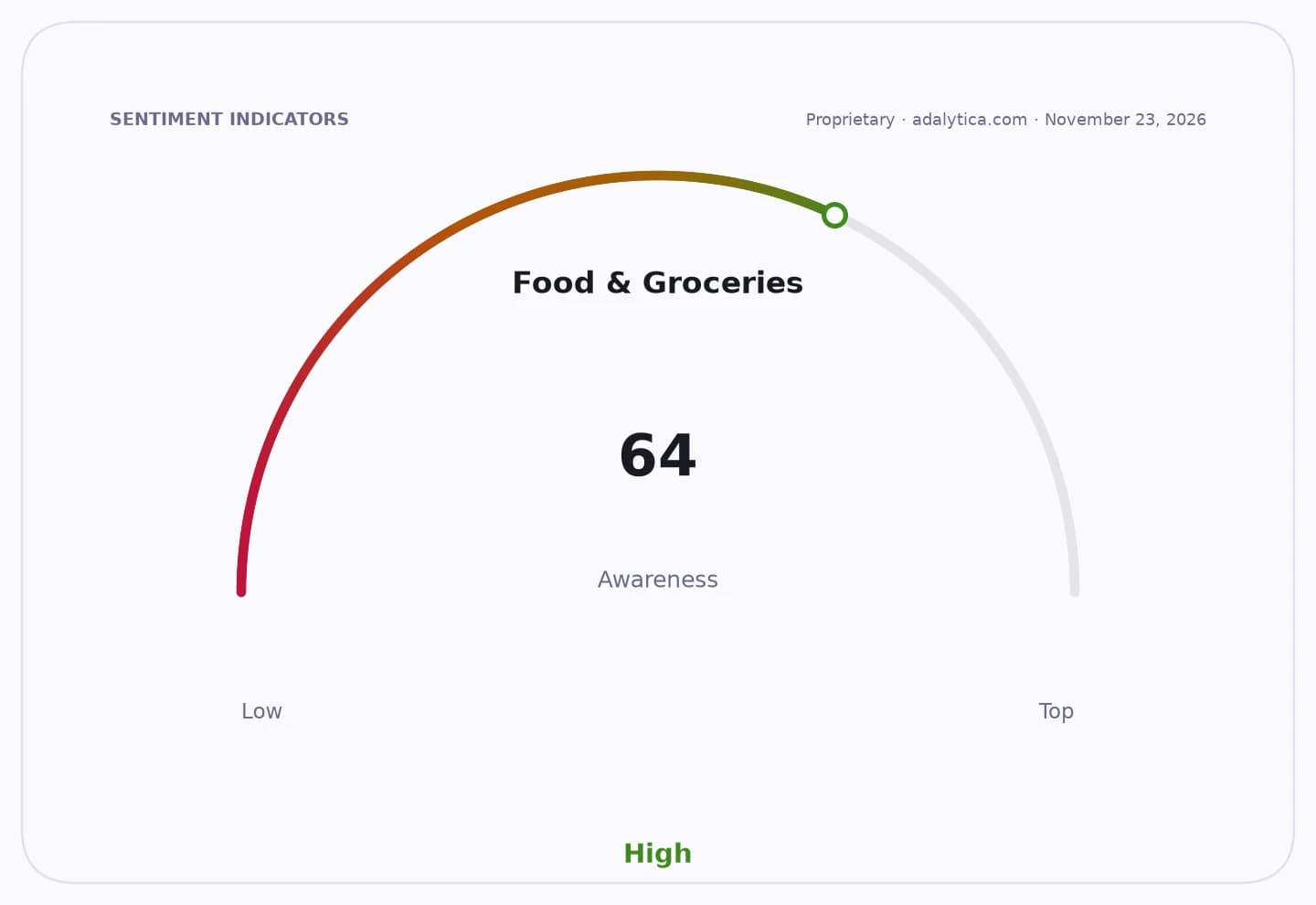
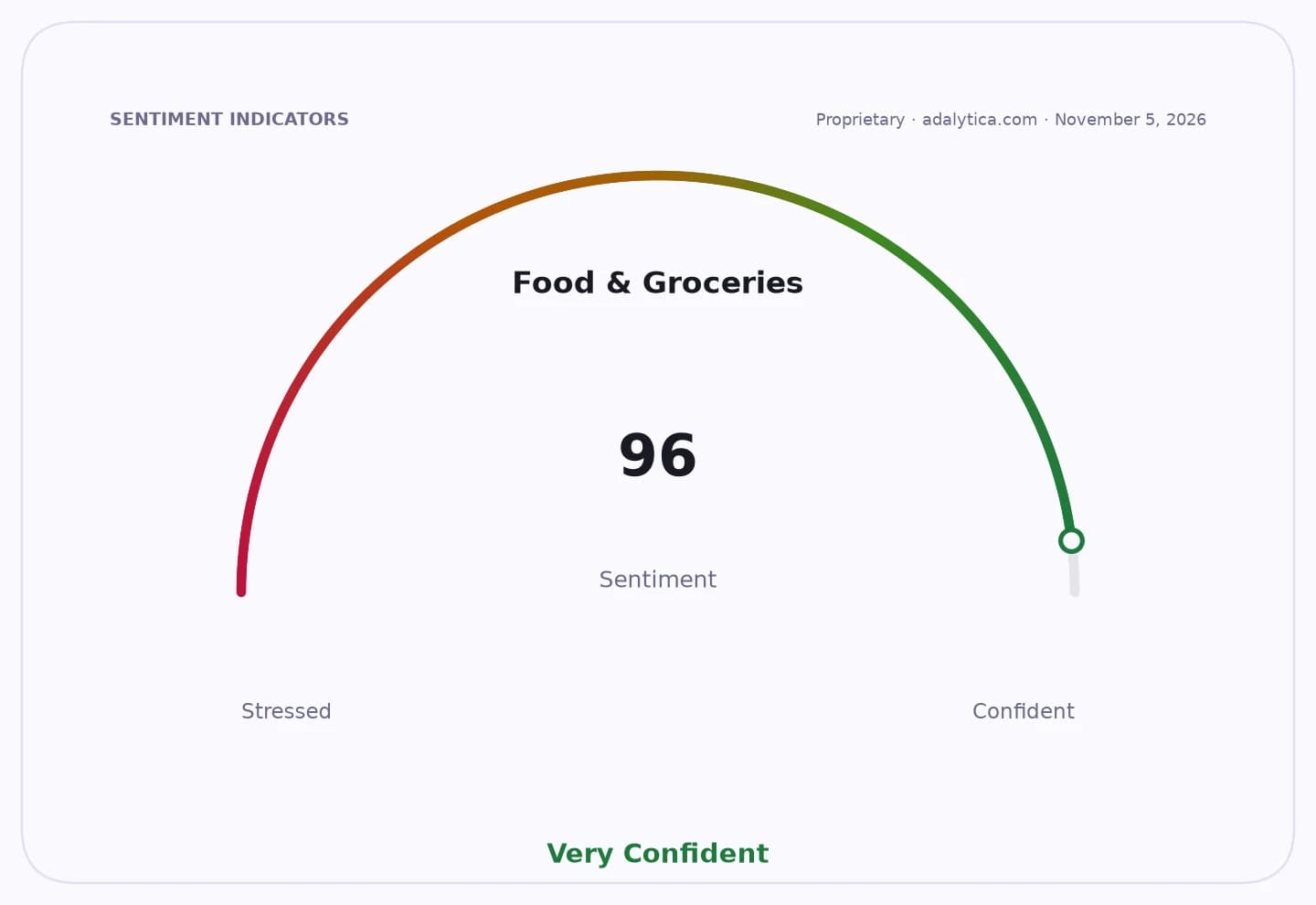
Food & Groceries
The Trading Corporation of Pakistan has floated its third international tender, with bids due Nov. 30, as the government tries to secure wheat for a country where bread costs can quickly become a political and economic fault line. The tender is large enough to matter: 800,000 metric tons is not a symbolic purchase, but a meaningful buffer against shortages, especially after earlier imports of nearly 274,000 tons from Romania.
Sentiment Indicators
For investors, the story is less about one cargo purchase than about what it says on the demand side of the world grain market. When a major importer keeps coming back to market, it can support wheat trade flows, underpin handling and freight activity, and keep a floor under prices even when global supply headlines look comfortable. That matters in a year when wheat has already been trying to balance ample supply signals against persistent food-security buying.
Pakistan’s terms also show how determined the government is to get usable supply, not just any supply. The tender requires 2026-crop wheat, sets moisture, protein and gluten thresholds, and bars shipments from India, Israel and other banned countries. Suppliers must have at least five years of export experience and a track record of 50,000 tons in wheat exports over the past five years, a filter that narrows the field to established global merchants.
The delivery schedule is equally telling. Half the wheat must be shipped in late December or early January, with the rest following shortly after, and all of it due in Karachi or Gwadar by Feb. 15, 2027. That urgency suggests Islamabad wants inventory in hand well before any fresh domestic squeeze can show up in retail markets. The government has also built in a 10% flexibility band, which gives it room to adjust the final volume if conditions change.
The long-term investing angle is straightforward: Pakistan is trying to protect consumers, but in doing so it is also revealing how fragile its food system remains. If domestic production and distribution were more resilient, the state would not need repeated emergency-style tenders. That keeps attention on broader agricultural reform, storage, logistics and import dependence — the real drivers that will matter more to the economy than one procurement cycle.
For investors watching the grain complex, the message is to stay focused on the big picture. Repeated government buying can support wheat-linked assets and food exporters, while import reliance can squeeze local margins and keep inflation risks alive in the domestic economy. This is the kind of policy pattern that does not fix itself quickly, so it is worth watching for years, not days.
| Entity | Gains | Losses |
|---|---|---|
| Pakistan consumers | ▲Better wheat availability | ▼Less price pressure relief if delays persist |
| Global wheat traders | ▲More tender demand | ▼Tighter competition on bids |
| Local food inflation | ▲Potential stabilization | ▼Still vulnerable to shortages |
| Wheat exporters | ▲New sales opportunities | ▼Stricter quality and timing rules |