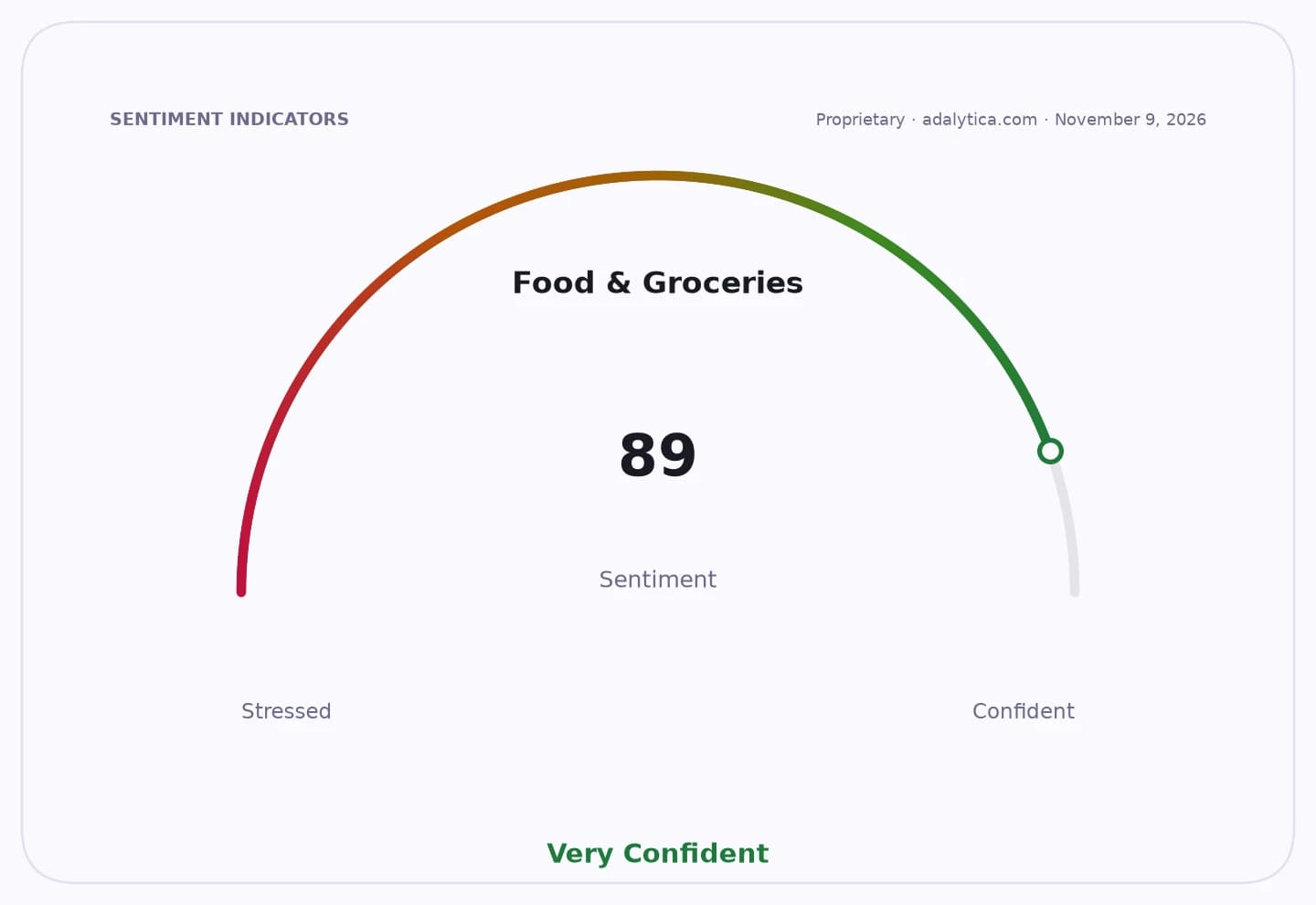
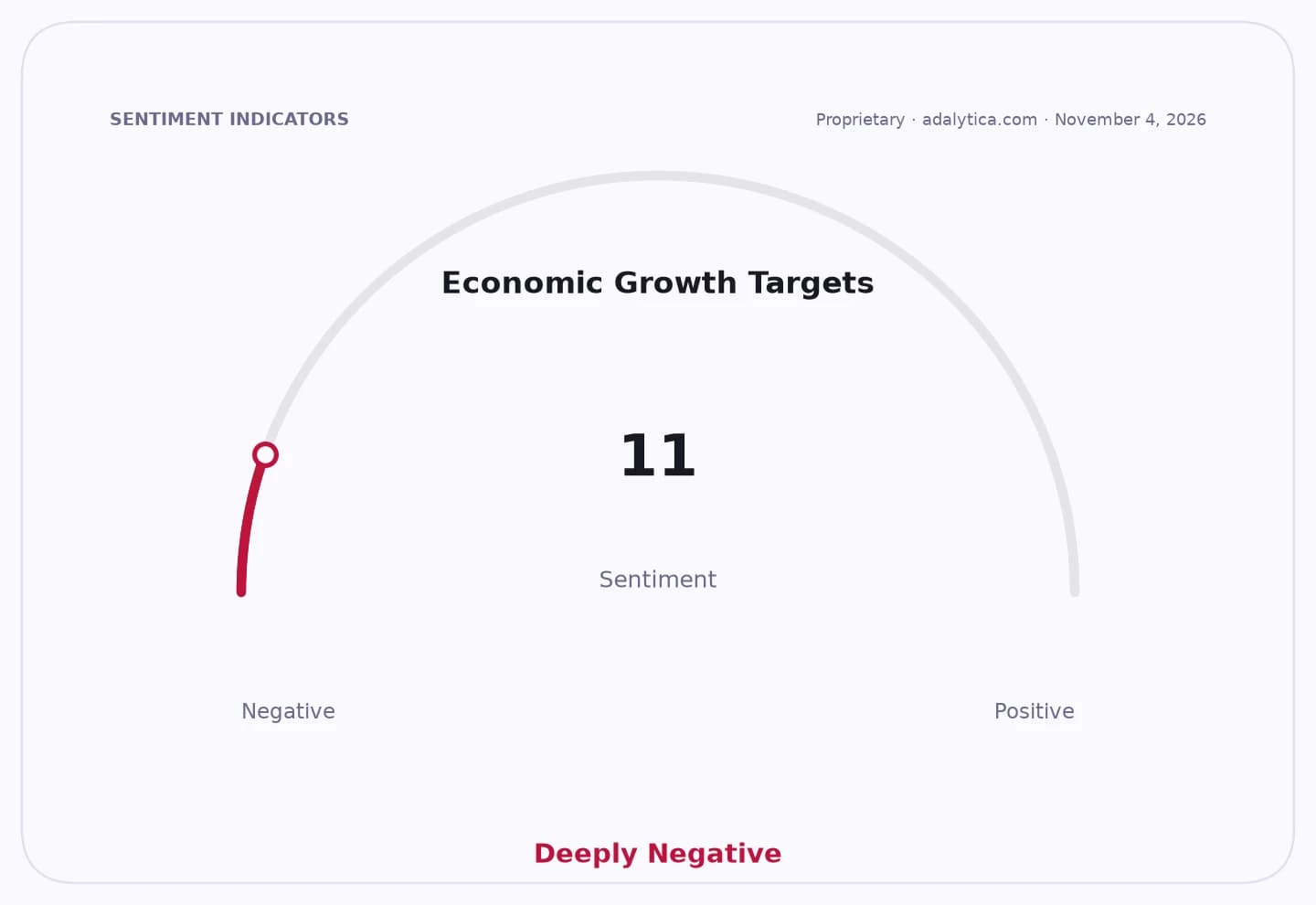
Sindh’s decision to cut the government wheat release price from Rs5,000 to Rs4,500 per maund is a direct attempt to cool food inflation in one of Pakistan’s biggest provinces, but the bigger question for investors and households is whether cheaper wheat will finally make its way into flour prices.
Sindh cuts wheat release price to Rs4,500 per maund
The move matters because wheat sits at the center of Pakistan’s food basket. When the state lowers the price it charges millers and traders, the intended ripple effect is lower atta prices, which Sindh says could fall by Rs17 per kilogram. For consumers already under pressure from sticky grocery bills, that is not a trivial adjustment. For policymakers, it is a test of whether administrative price controls can still work in a market where costs, supply chains and politics often move in different directions.
Sentiment Indicators
This is also part of a broader effort to keep a politically sensitive staple under control. Wheat and flour prices have been a recurring source of public anger across Pakistan, and governments have repeatedly stepped in with support prices, procurement targets and release-price changes in an effort to prevent shortages and speculation. Punjab has already set its own wheat support price at Rs4,500 and is targeting 16.5 million acres of cultivation, underscoring how provincial governments are leaning on the same tool: intervention rather than free pricing.
For investors, the headline is less about a single price cut than about what it says regarding inflation and purchasing power. If flour prices ease, that could help household spending on other essentials, a small but important tailwind for retailers and consumer staples. It also suggests pressure may build on food-related margins in the short term, especially for millers and intermediaries that rely on pass-through pricing. In a country where food inflation can quickly bleed into broader inflation expectations, even a modest wheat adjustment matters for policy credibility.
The market is still facing a messy backdrop. International wheat prices have recently eased after earlier strength, helped by weaker Russian export prices and hopes tied to Black Sea peace prospects, while the U.S. harvest has also added pressure. At home, however, supply management remains the main story, with officials trying to steer prices through release mechanisms rather than relying on imports or market forces alone.
For long-term investors, the lesson is familiar: food inflation is never just a consumer story. It shapes central bank policy, household demand and the earnings outlook for a wide swath of the economy. If Sindh’s cut is followed by actual relief in flour prices, that would be a small but meaningful sign that policy is working. If not, it will reinforce the case that price controls alone cannot fix Pakistan’s structural wheat problem. For now, this is worth watching closely.
| Entity | Gains | Losses |
|---|---|---|
| Consumers in Sindh | ▲Lower atta prices | ▼Less food budget pressure |
| Flour millers and traders | ▲Possible volume support | ▼Lower margins |
| Sindh government | ▲Inflation relief optics | ▼Fiscal and policy pressure |
| Wheat sellers/producers | ▲Stable offtake potential | ▼Lower release price |