Cotton prices fell in the global market last week after expectations of lower U.S.-China tariffs pressured futures, but Pakistan’s domestic market held steady because high-grade lint remained in short supply.
Pakistan Cotton Prices Hold as U.S. Futures Fall
The divergence matters because it shows two different forces are driving cotton: a softer international price tone and a tight local supply of quality fiber. For textile mills, that means cheaper global benchmarks are not immediately translating into easier buying conditions at home. For growers and ginners, the scarcity of better-grade cotton is propping up local prices even as overseas futures weaken.
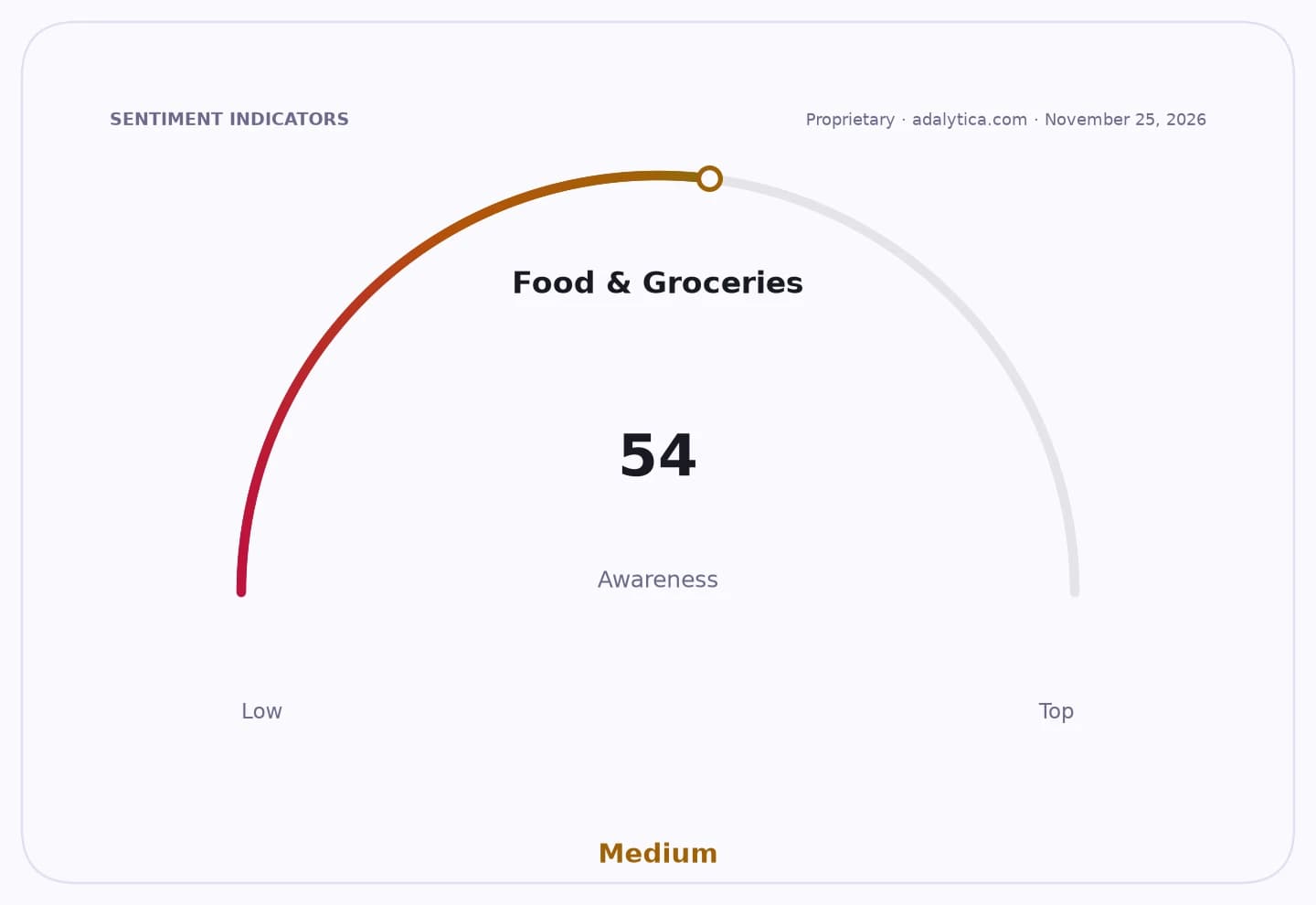
Sentiment Indicators
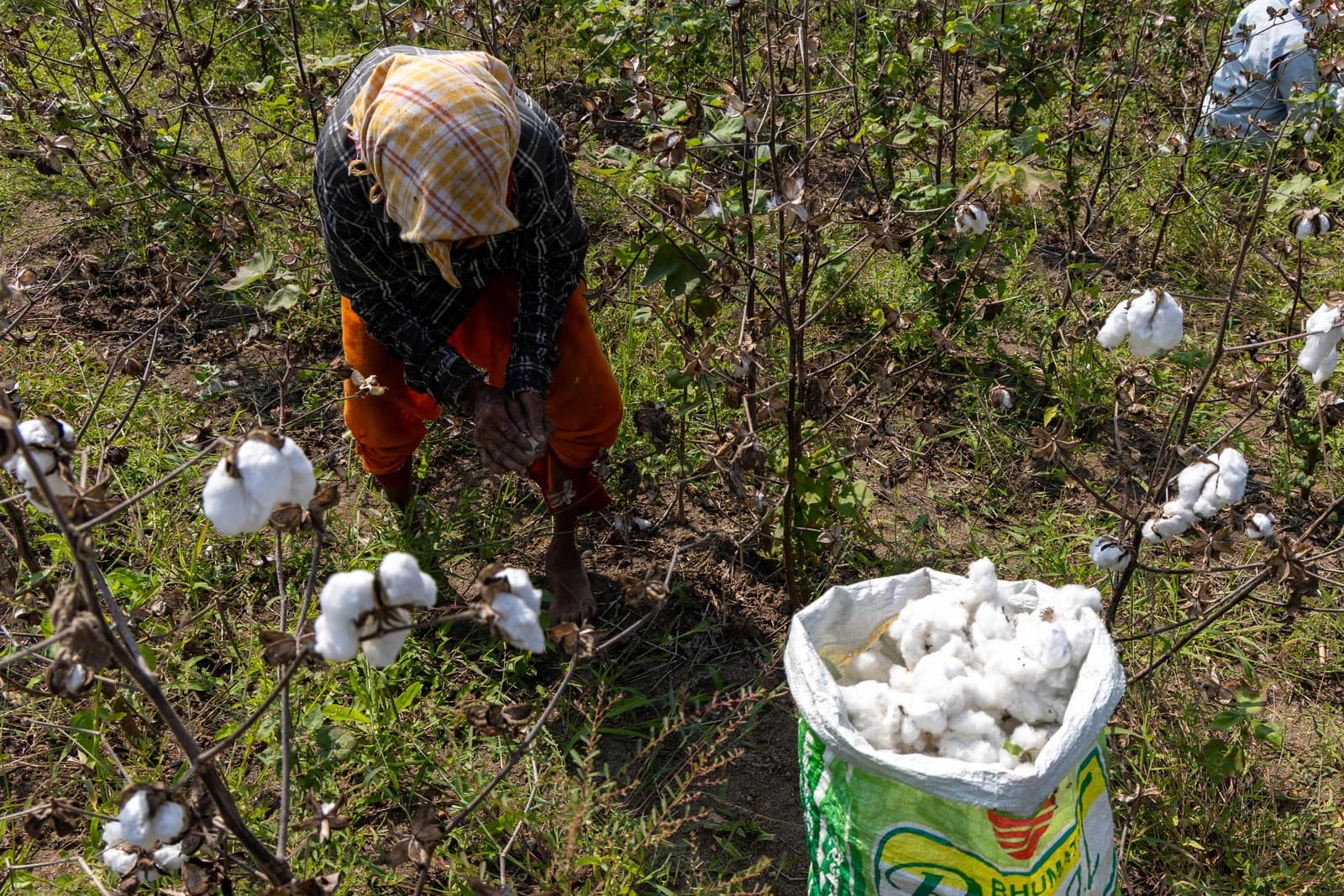
In New York, December cotton futures dropped 3.62 cents a pound over the week, reflecting the market’s reaction to hopes that trade tensions between the United States and China may ease following a meeting of the leaders of the U.S., China and Russia, according to the Cotton Ginners Forum. That price move fed through to Pakistan only partially. Local cotton prices did not gain momentum, but they also did not follow the global decline because quality cotton was available only in limited quantities.
Ehsanul Haq, chairman of the Cotton Ginners Forum, said Pakistan’s cotton market remained range-bound, with the maximum price for phutti at 18,500 rupees per maund and Balochi cotton at 19,600 rupees per maund. He said buying by domestic textile mills had weakened noticeably, suggesting mills are waiting for clearer price direction and remain reluctant to chase limited quality supply.
The bigger economic issue is structural. Pakistan’s cotton sector has been under pressure from chronic production weakness and deteriorating quality, leaving mills dependent on imports and making the country more vulnerable to swings in the global market. Haq argued that Pakistan cannot revive the sector without strict enforcement of crop zoning rules and a ban on sugarcane cultivation in cotton zones, a stance that underscores how competition for land has squeezed cotton output over time.
At the policy level, the government is reportedly moving to consolidate agricultural institutions under a proposed National Agriculture and Food Security Advisory Council, a step that could reshape how cotton policy is coordinated. The first meeting reportedly discussed lifting output across all crops, including cotton, while industry representatives have been pressing Islamabad to restore annual cotton production to 15 million bales.
For investors and trade participants, the immediate message is that global price weakness may continue if tariff expectations deepen, but Pakistan-specific scarcity could keep domestic lint supported as long as quality remains tight. Textile mills face a margin squeeze if they must pay up for better cotton while export demand remains uncertain, while ginners with access to premium grades may retain pricing power. The next test will be whether policy changes, crop zoning enforcement and the coming sowing cycle can lift supply enough to narrow the gap between falling world prices and firm local rates.
| Entity | Gains | Losses |
|---|---|---|
| Textile mills | ▲Lower global benchmark costs | ▼Higher local procurement costs |
| Cotton growers with quality lint | ▲Firmer domestic prices | ▼Limited broader demand |
| Global buyers/importers | ▲Cheaper futures pricing | ▼Weaker upside from supply tightness |
| Pakistan mills and the wider textile sector | ▲Policy focus on cotton revival | ▼Margin pressure from scarce quality cotton |