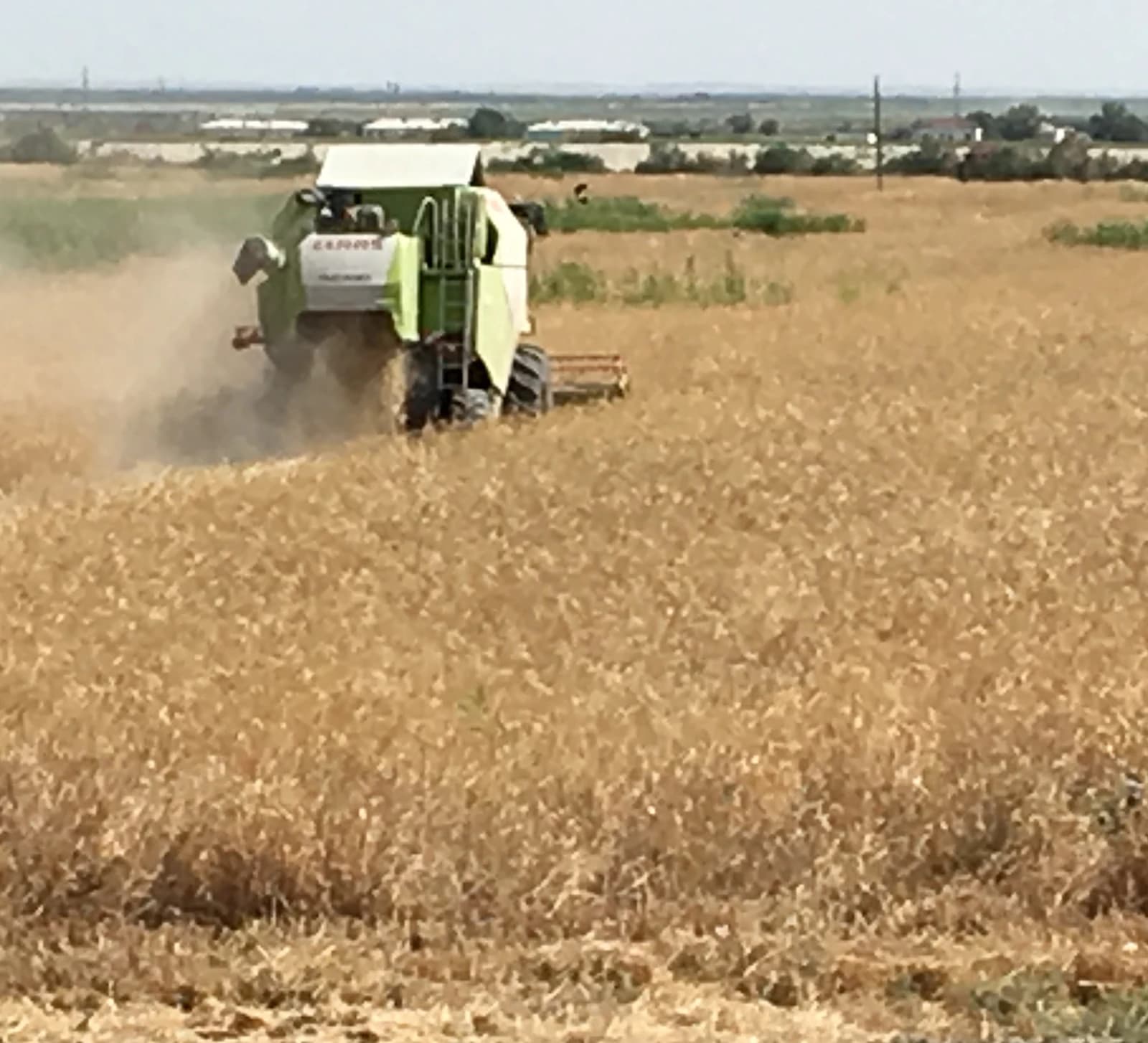
Morocco has increased its November import subsidy for soft wheat to 46.77 dirhams per quintal, a move aimed at cushioning millers and importers from high global grain costs and helping secure supplies of a staple crop amid volatile international markets.
Morocco Raises November Soft Wheat Import Subsidy
The new support rate is up from 44.48 dirhams in October and roughly doubles September’s 20.80 dirhams, underscoring how the North African kingdom is leaning on its compensation mechanism to bridge the gap between import costs and the reference purchase price used by industrial mills.
Sentiment Indicators
That matters for the domestic economy because Morocco relies heavily on imported soft wheat to cover national consumption, and higher support payments help prevent cost shocks from feeding through too quickly to flour prices and food inflation. The subsidy also eases pressure on millers and traders who have been sourcing largely from Europe, especially France, as Black Sea supply remains disrupted by the war in Ukraine.
European soft wheat prices are still hovering around 305 dirhams per quintal, according to industry sources, leaving importers exposed to elevated replacement costs even as benchmark wheat markets remain volatile. The context is one of tighter trade flows and recurring supply uncertainty, with recent moves in global grain markets shaped by weaker Russian export expectations and weather- and geopolitics-driven swings.
For investors, the policy points to persistent support for wheat import demand, which can benefit grain traders and merchants with Mediterranean and North African exposure, while keeping food-price pressure in focus for policymakers and consumers. U.S.-listed grain names such as Archer-Daniels-Midland and Bunge remain sensitive to shifts in global import programs and trade flows, even if Morocco is a relatively small market on a global scale.
The broader takeaway is that Morocco is still relying on state support to smooth a structurally import-dependent wheat market rather than allowing prices to fully reflect international costs. Traders will be watching whether the November rate proves enough to stabilize mill buying and whether further gains in global wheat prices force another adjustment.
| Entity | Gains | Losses |
|---|---|---|
| Moroccan millers | ▲Lower import cost pressure | ▼Smaller margins if support lags costs |
| Wheat importers | ▲Subsidized procurement | ▼Exposure to volatile global prices |
| Consumers | ▲Less immediate bread-price pressure | ▼Higher fiscal burden over time |
| Global grain suppliers | ▲Steady import demand | ▼Limited upside if subsidies cap local buying tension |