Pakistan’s cotton sector has again fallen short of its national production goal, underscoring how climate stress and shifting farm economics are weakening a crop that anchors the country’s textile supply chain.
Pakistan cotton output misses 10 million-bale target
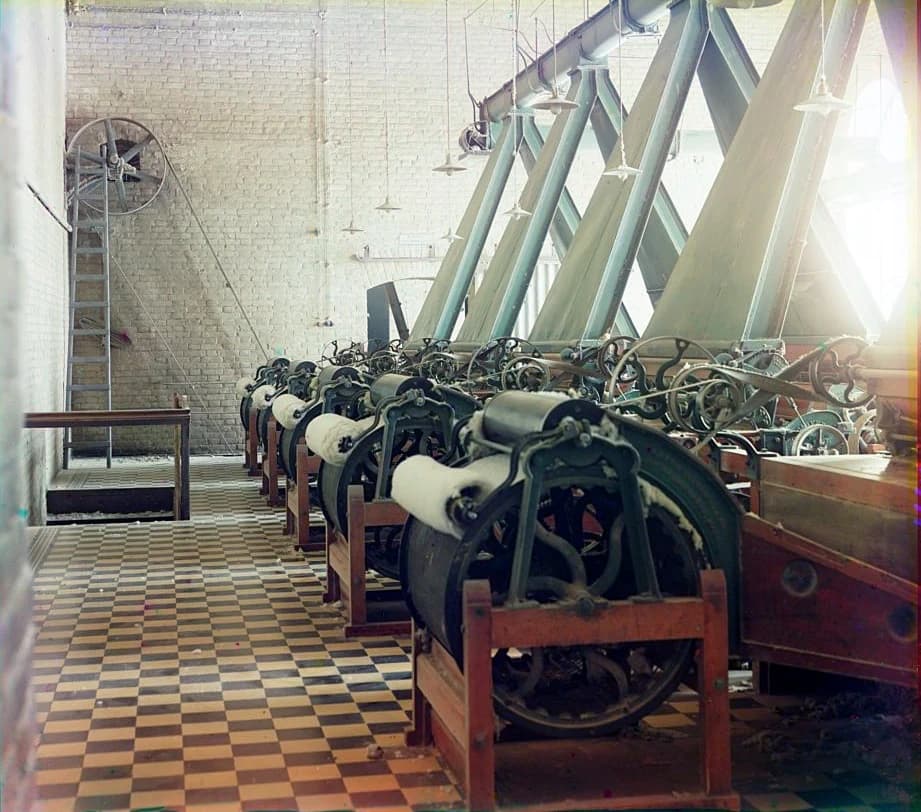
By Oct. 31, deliveries to ginning factories reached the equivalent of 4.743 million bales, up 7% from a year earlier, but still far below the government’s 10 million-bale target for the season. The shortfall matters because cotton remains one of Pakistan’s most important export-linked crops: when output misses plan, mills rely more heavily on imports, foreign exchange pressure rises and local textile producers face higher raw-material risk.
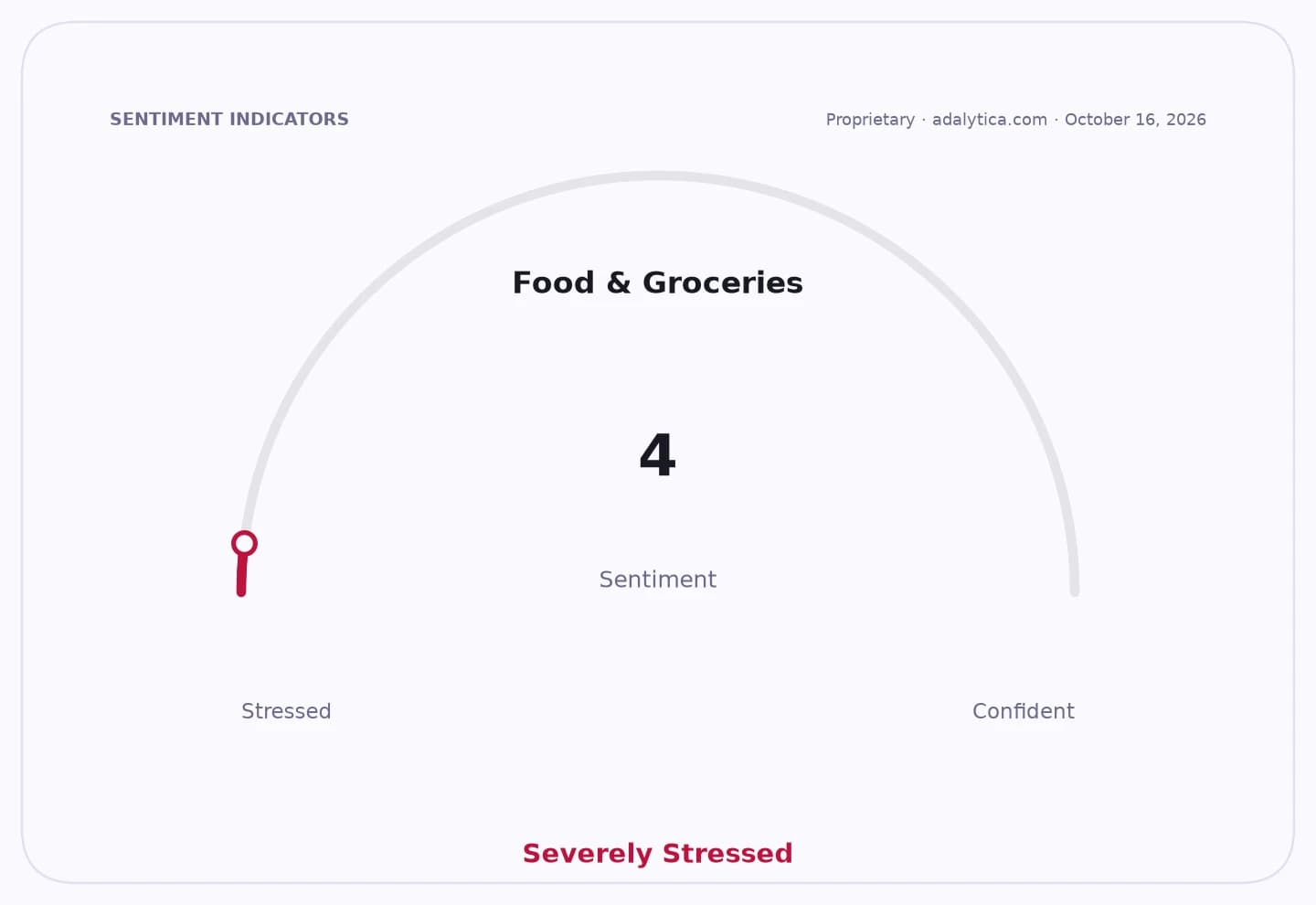
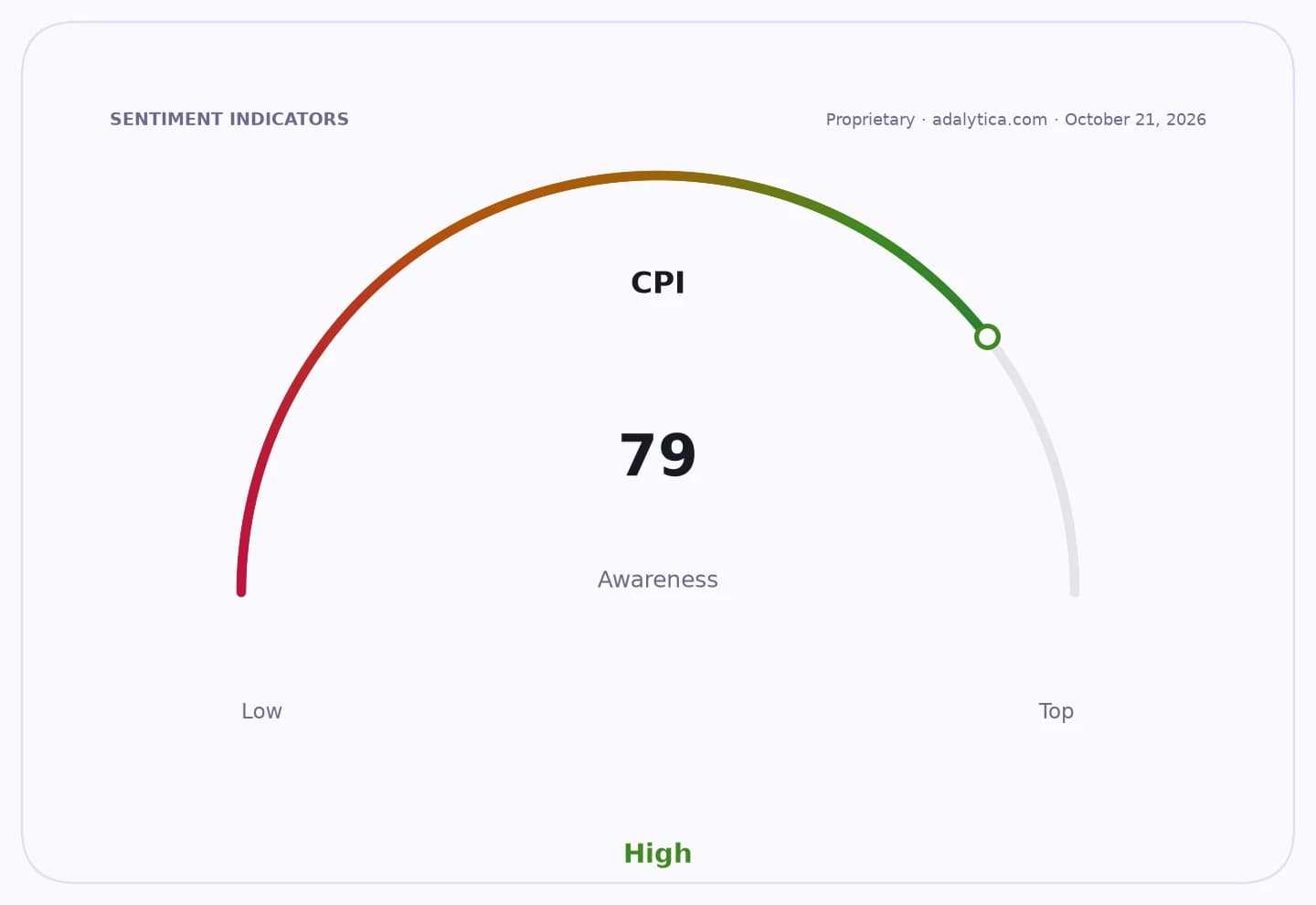
Sentiment Indicators
The latest numbers from the Pakistan Cotton Ginners Association show Punjab received the equivalent of 1.999 million bales and Sindh 2.744 million bales, with deliveries up 5% and 9% respectively from last year. That improvement is not enough to offset the broader structural problem. An unusually large share of cane cultivation in cotton belts has displaced acreage, while record heat across much of the season damaged fiber and seed quality. In crop terms, that is as damaging as a volume miss, because weaker lint quality can lower milling returns and reduce the marketable value of the harvest.
There is a partial offset. Officials say the Federal Board of Revenue’s push for digital invoicing is curbing undocumented cotton trade, which could make the official crop tally look better than last year even if field conditions remain poor. But that is an accounting improvement, not a supply breakthrough. For growers, the issue is that higher compliance alone cannot restore acreage lost to competing crops or reverse weather damage. For mills, it means the domestic raw-cotton gap is likely to persist into the next procurement cycle.
The miss also carries wider economic implications. Pakistan’s textile industry is the backbone of merchandise exports, so cotton availability directly affects utilization rates, input costs and margin stability. A weaker crop usually forces spinners to compete harder for supply or look abroad, which can pressure the trade balance and leave the sector more exposed to currency swings. If domestic output continues to lag, the benefits from tighter documentation and better reporting may be outweighed by the need to import more fiber.
For investors and lenders tied to the textile value chain, the key question is whether the current season’s modest year-on-year improvement marks a bottom or just a temporary pause in decline. The bullish case is that higher formal-sector reporting and better farm economics could gradually lift official production. The bearish case is that heat stress, acreage shifts and input constraints are becoming entrenched features of the crop. The next set of ginning figures will show whether the early-season recovery can gather enough momentum to narrow, or merely document, Pakistan’s cotton deficit.
| Entity | Gains | Losses |
|---|---|---|
| Textile mills | ▲Better visibility on supply | ▼Higher raw-cotton costs |
| Cotton growers | ▲Stronger official pricing if formalized | ▼Lower yields and acreage loss |
| Government/tax authorities | ▲More documented trade | ▼Missed production target |
| Importers | ▲More demand for foreign cotton | ▼Domestic producers and ginnners |